
Damaged Kitchen Sink Replaced in Richmond
Completed Job Summary
A damaged kitchen sink in Richmond was assessed for replacement after the customer reported a cracked sink and requested a pressure check. The completed work included cutting the butcher-block worktop, installing the replacement sink with silicone, altering the waste pipework and fitting a dishwasher extension hose.
5 August 2026
 Reece
Plumber
82078
This job record is derived from first-party technician notes and the Simpro job management.
Customer report
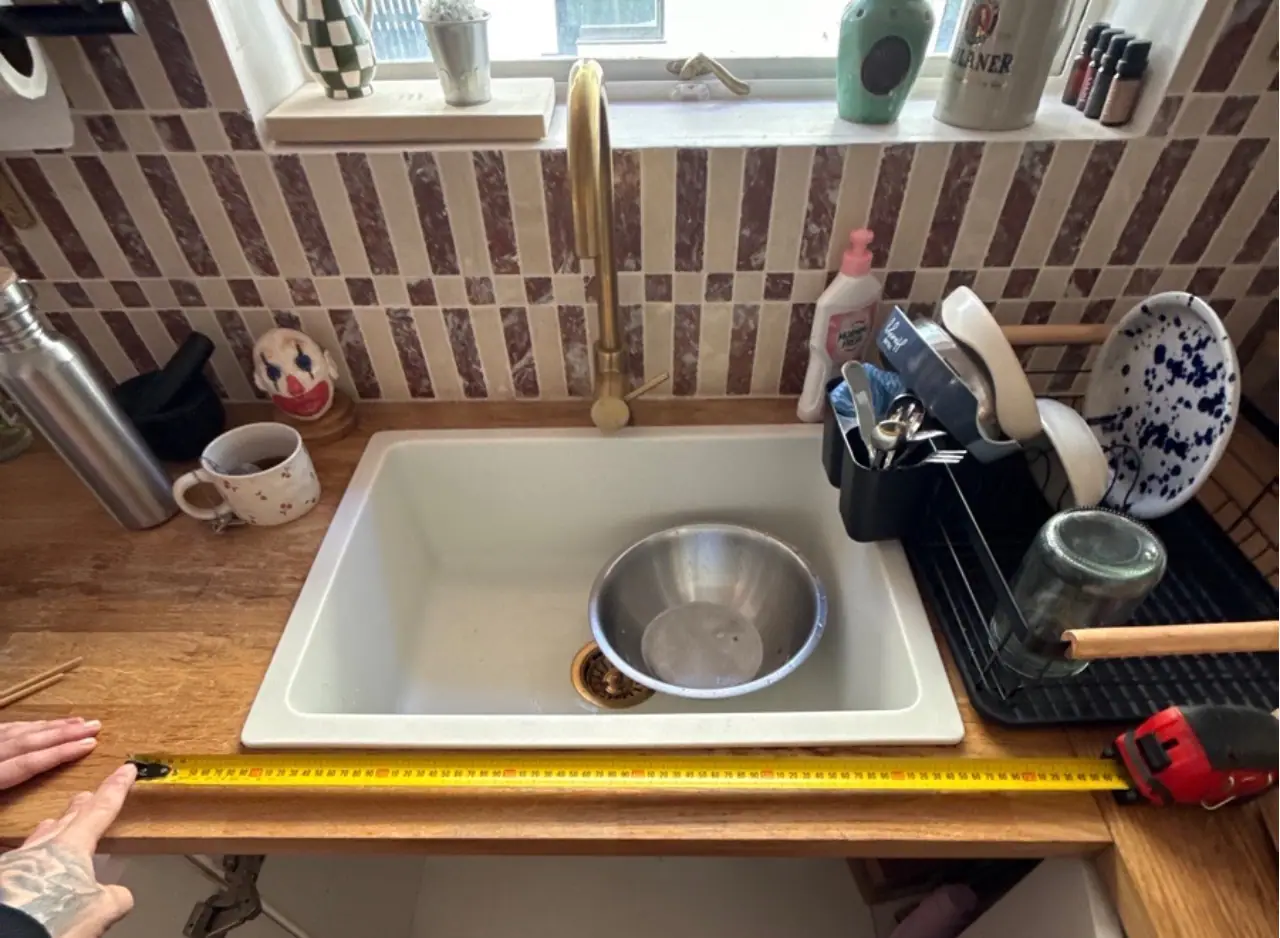
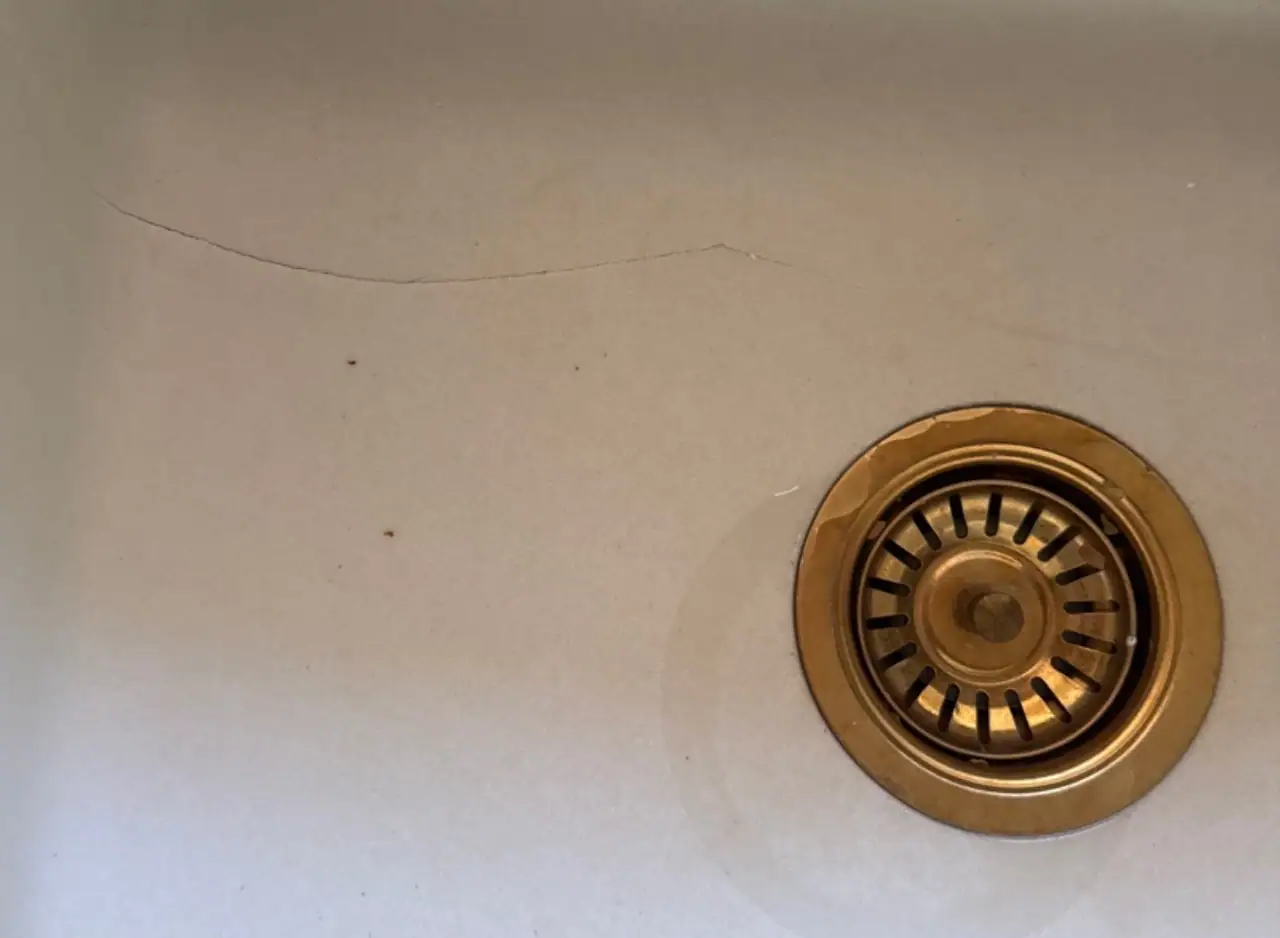
The customer reported a cracked kitchen sink and also requested a pressure check. Client-provided images were referenced at the quote stage. During the site attendance, the kitchen sink was measured so the replacement could be planned around the existing benchtop opening, rear-cupboard waste pipework and dishwasher waste connection. The site measure also identified that the benchtop opening required side adjustments for the replacement sink.
Diagnosis & Technical Assessment
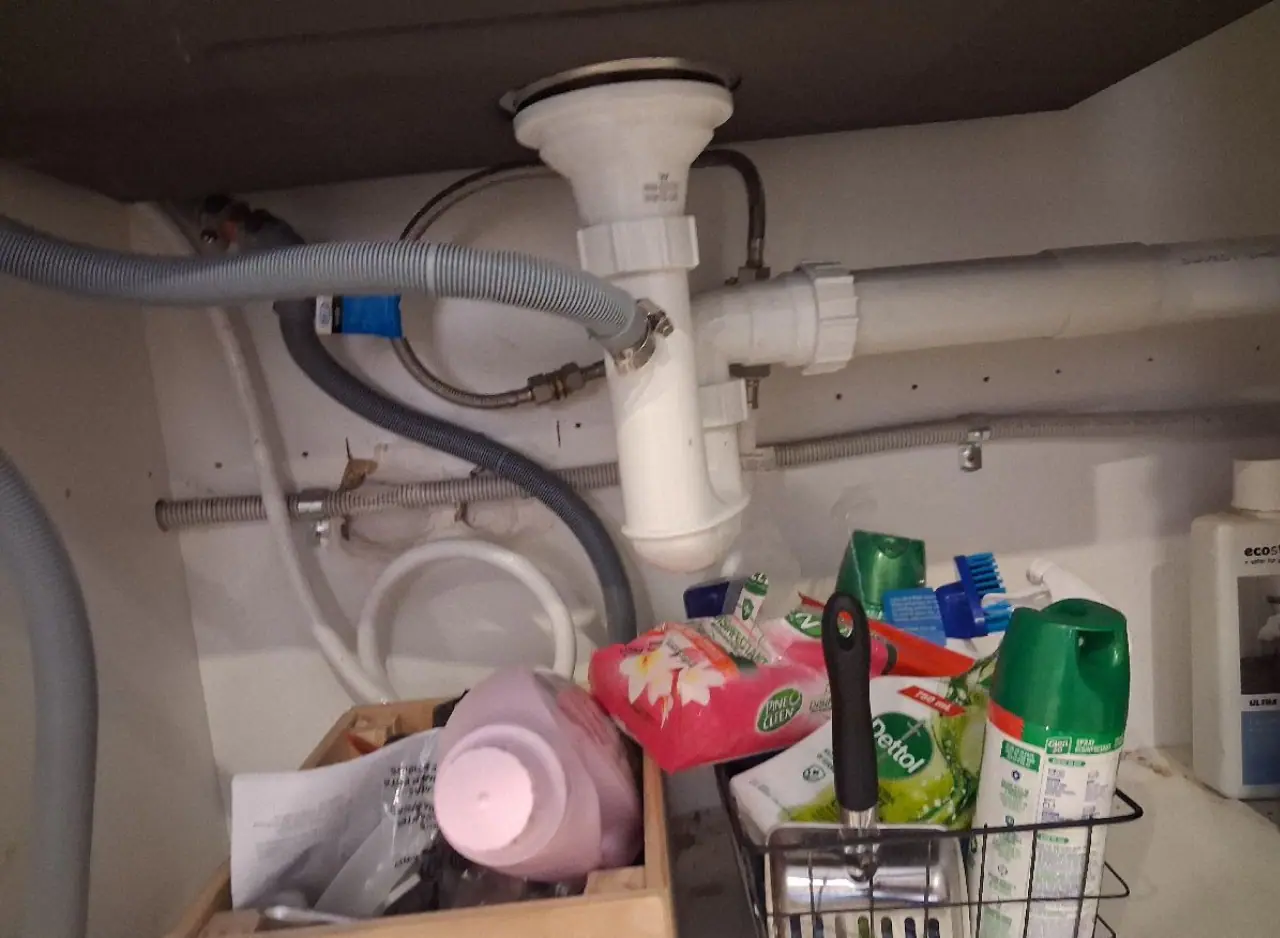
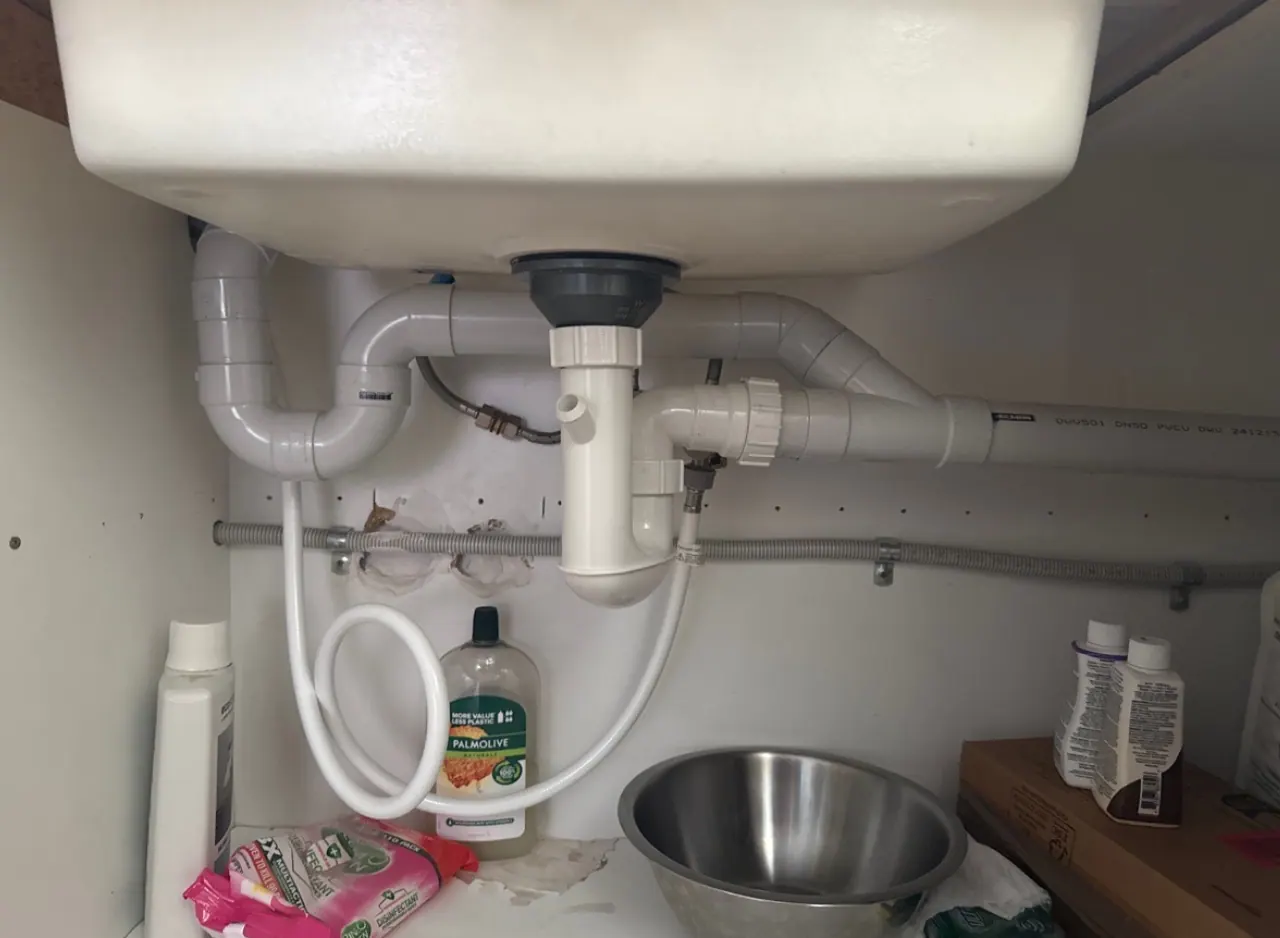
The recorded assessment focused on the physical requirements for replacing the damaged kitchen sink and reconnecting the associated waste services. Reece attended the Richmond site and measured the existing kitchen sink. The work note identified that the benchtop opening would need to be cut on the left and right sides for the replacement sink, while the existing depth was considered suitable. The rear cupboard waste arrangement also required alteration so that the new sink could be connected correctly. The dishwasher waste connection was part of the assessment, with the recorded options being to connect it to the altered rear-cupboard pipework or to extend the dishwasher waste to the trap.
The selected job scope, therefore, combined sink replacement with benchtop modification and waste-pipe changes rather than treating the sink as a like-for-like swap. A jigsaw was identified for the benchtop work, and 50 mm waste fittings, a socket and a trap were listed among the job materials.
All work was completed in accordance with the Victorian Building Authority (VBA) regulatory framework.
Solutions delivered
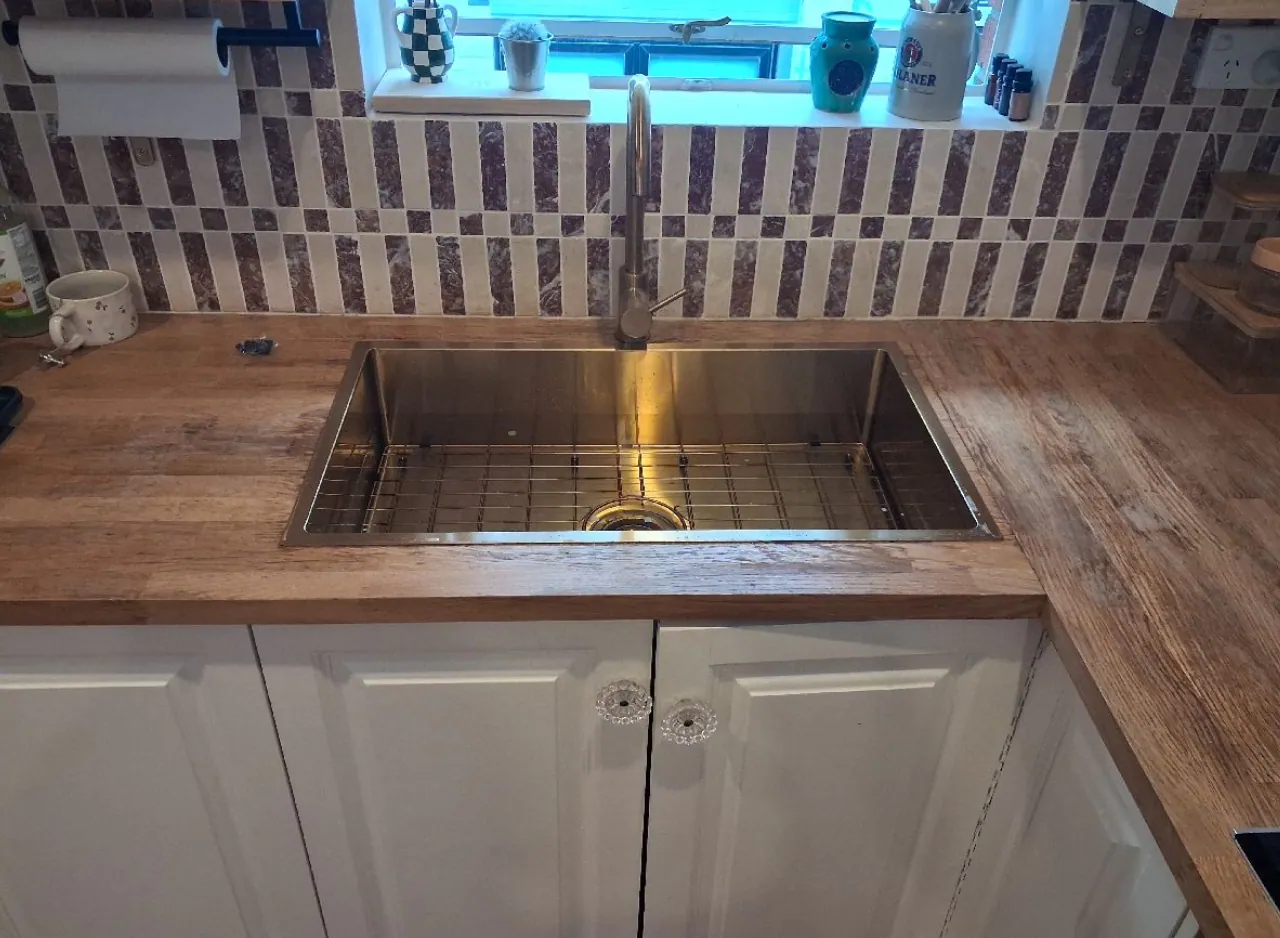
The butcher-block worktop was cut with a jigsaw to suit the replacement sink. The new sink was installed and sealed with silicone. The existing waste pipework was altered to suit the new sink arrangement, and a new extension hose was installed for the dishwasher waste connection. These works followed the earlier site measure, which had identified the need to enlarge the benchtop opening at the sides and reconfigure the waste connection behind the cupboard.
The recorded solution addressed both the damaged sink and the connection changes needed to make the replacement fit the existing kitchen layout. Job materials listed for the work included 50 mm waste components, while the completed-work note specifically confirms the sink installation, silicone sealing, waste-pipe alteration and dishwasher extension hose installation.
Tools, Parts & Systems Used
- Jigsaw
- 50 mm socket and trap
- 50 mm fittings
- Silicone
- Replacement sink
- Dishwasher extension hose
Outcome & Results
The kitchen sink replacement was completed with the benchtop opening cut to suit the new sink. The sink was installed with silicone, the waste pipework was altered, and a dishwasher extension hose was fitted. The completed configuration, therefore, incorporated the replacement sink together with the required changes to the waste and dishwasher connections in the existing kitchen setup. The work also matched the earlier measured fit requirements for the benchtop opening.
All work was carried out in accordance with relevant Australian Standards and safety requirements.
Repair vs Replacement
For a cracked or damaged kitchen sink, replacement can be appropriate when the issue affects the sink body rather than a serviceable fitting. The replacement also needs to account for the existing benchtop opening, waste position and connected appliances. In this Richmond job, the recorded scope required the benchtop cut-out to be enlarged, the waste pipework to be altered, and the dishwasher waste connection to be extended. Those site conditions made the replacement a fit-and-connect job rather than a simple sink changeover.