
Faulty Pressure Limiting Valve Replaced in Fitzroy North
Completed Job Summary
A laundry water connection issue was assessed in Fitzroy North after a leak continued at the cold-water wall connection. A faulty pressure-limiting valve was identified and replaced with a 20 mm, 500 kPa unit, and new washing machine mini valves were installed.
14 August 2026
 Jessie
Plumber
82141
This job record is derived from first-party technician notes and the Simpro job management.
Customer report
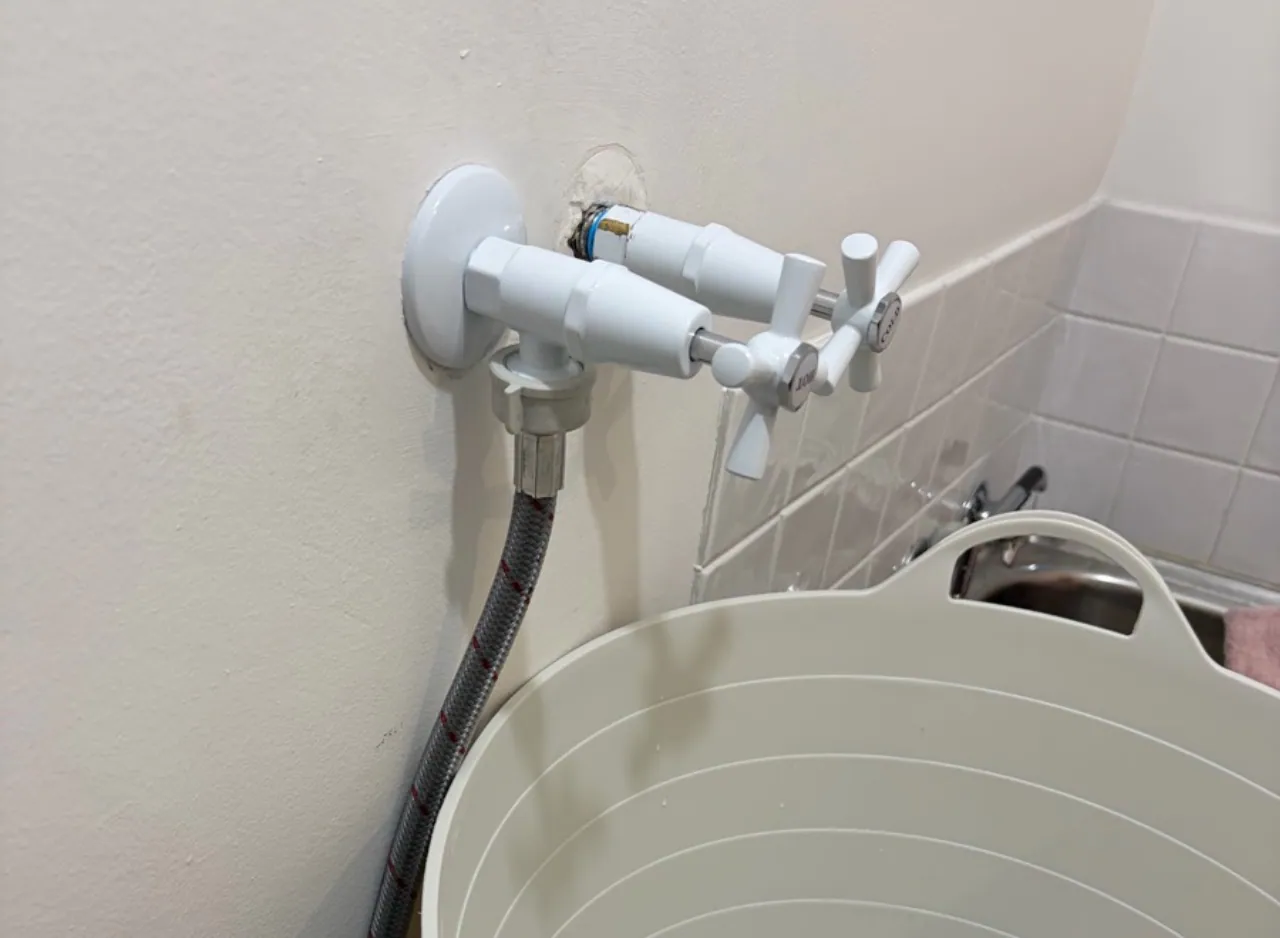
The customer reported a laundry tap leaking from the rear connection where the cold-water tap met the wall nipple. The tap had already been replaced, the exposed brass nipple threads cleaned and thread tape reapplied, but the leak continued. Before the site assessment, the suspected areas included the nipple, wall fitting, connection or tap seating. The work order also described a leaking laundry lug outlet and potential high-water issues.
Diagnosis & Technical Assessment
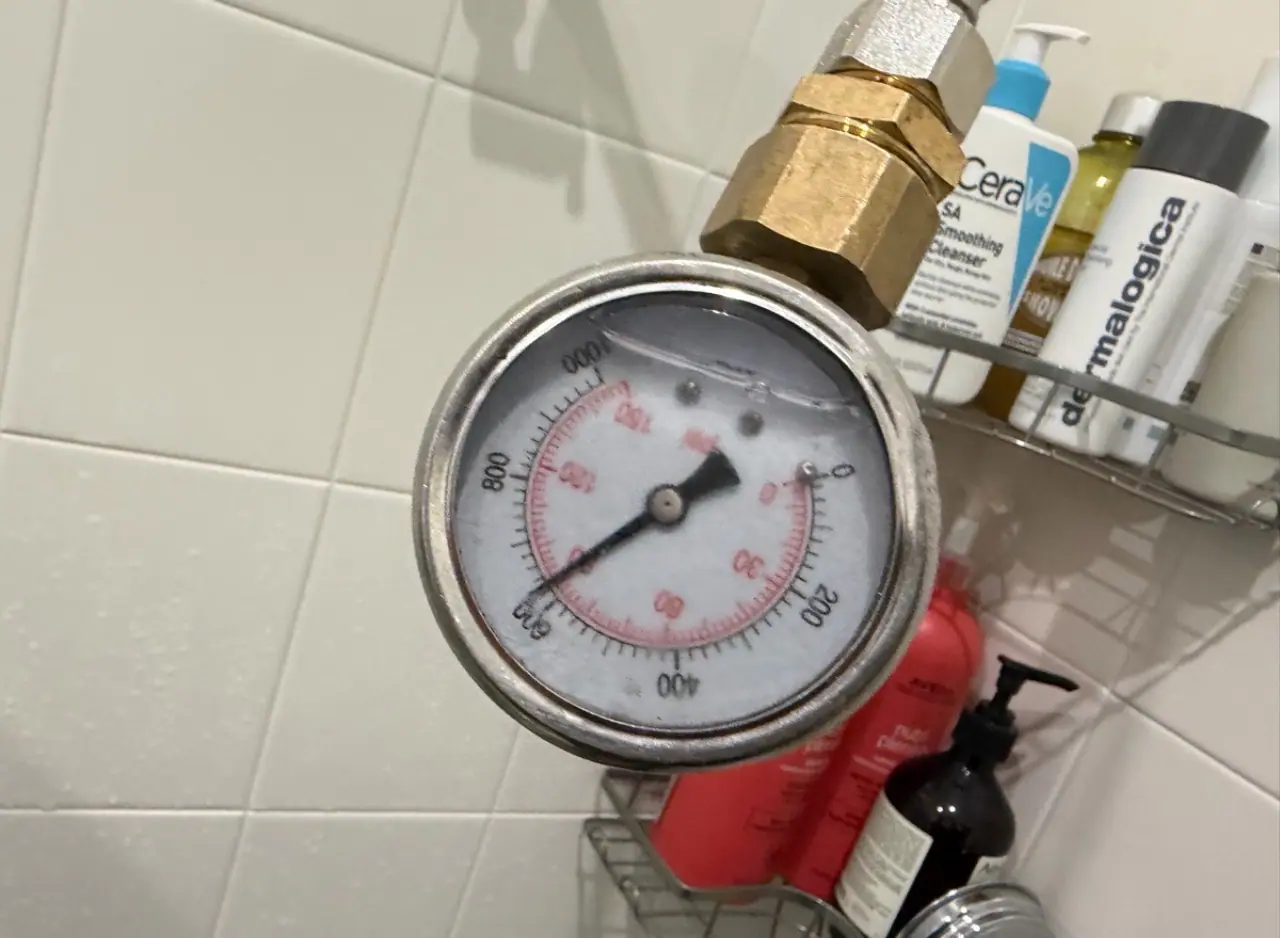
The site assessment identified the pressure-limiting valve as faulty and in need of replacement. The work order also noted a leaking laundry-tub outlet and potential high-water issues, placing the water-pressure control component within the scope of the assessment. The pre-attendance information described a continuing leak at the cold-water wall connection after the laundry tap had already been replaced, the exposed brass nipple threads had been cleaned, and thread tape had been reapplied. Those earlier actions had not stopped the reported leak.
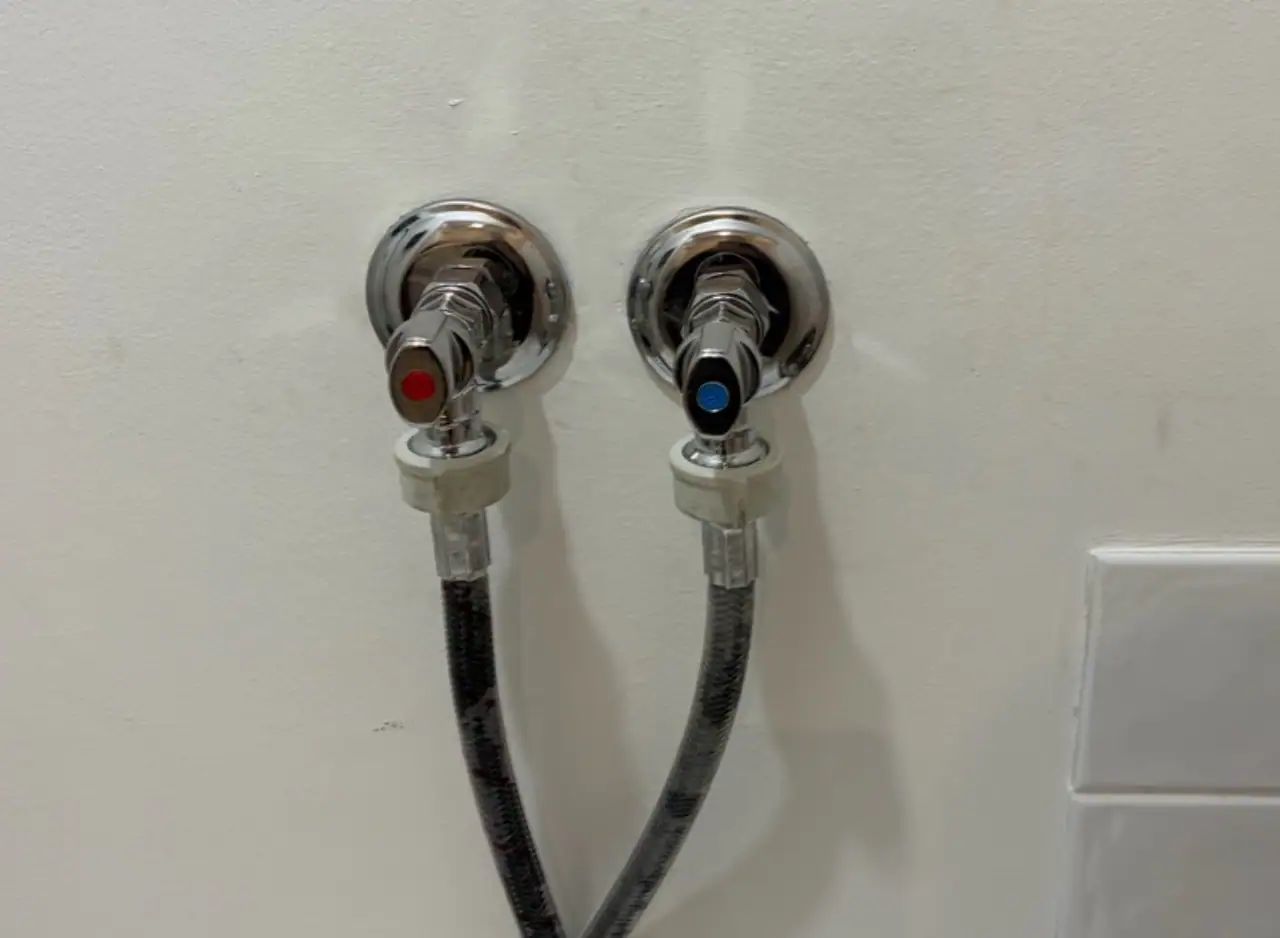
On-site, the confirmed technical finding was the faulty pressure-limiting valve. The completed work records specify a replacement 20 mm pressure-limiting valve set at 500 kPa. The same job also included replacing the washing machine mini valves at the laundry water connection. The invoice scope for the emergency stop valve pair describes removal of the existing stop valve, installation of new chrome mini valves and reconnection of the water supply to the appliance or tap.
All work was completed in accordance with the Victorian Building Authority (VBA) regulatory framework.
Solutions delivered
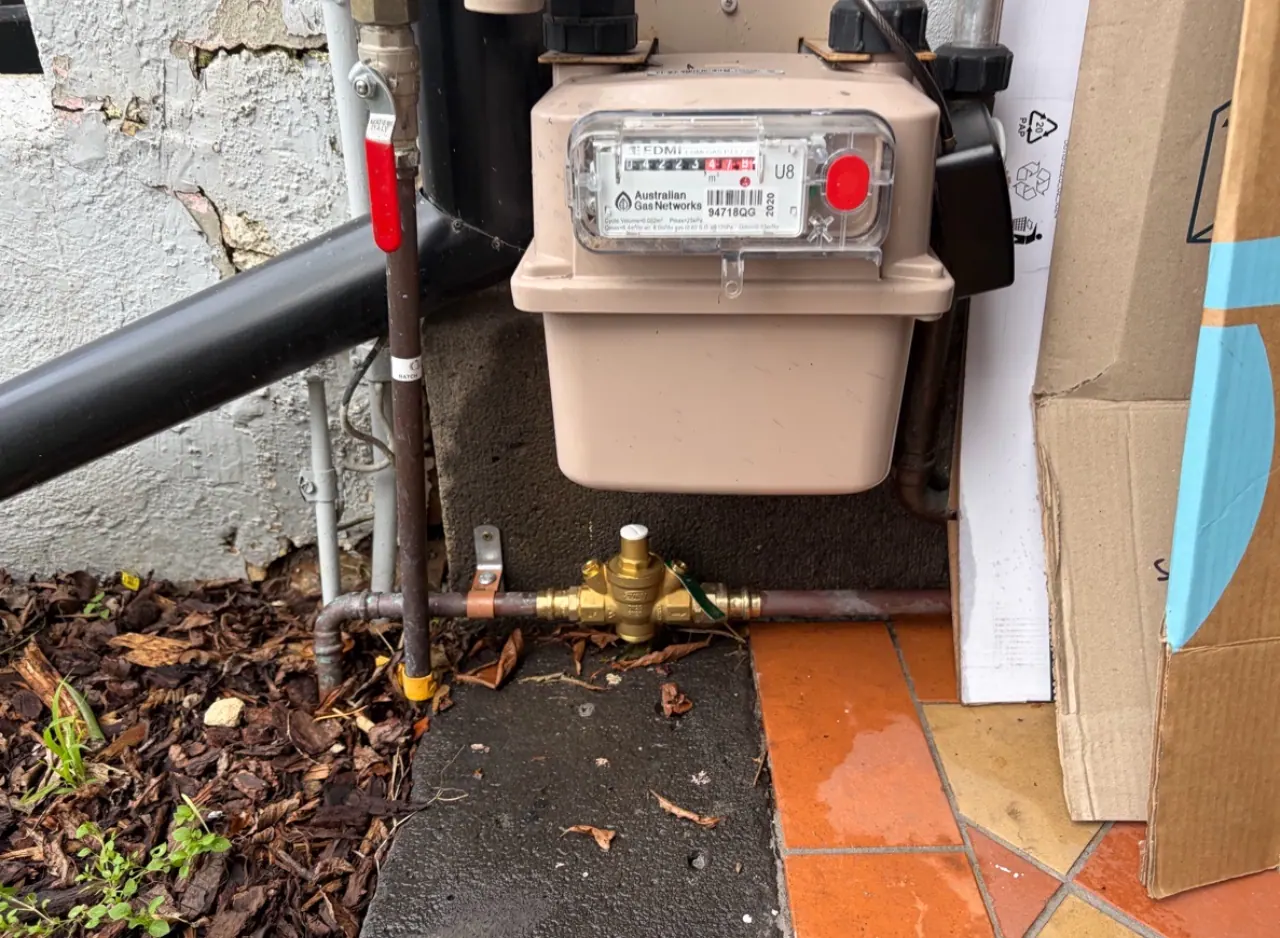
The faulty pressure-limiting valve was replaced with a 20 mm pressure-limiting valve rated at 500 kPa. The technician recorded that the PLV had been installed to 500 kPa, confirming completion of that component of the work. New mini valves for the washing machine were also installed at the laundry connection. The recorded scope for the replacement emergency stop valve pair included removing the existing stop valve, fitting new chrome mini valve components and reconnecting the water supply to the appliance or tap.
The PLV was replaced because the on-site assessment identified the existing valve as faulty and in need of replacement. The work addressed the confirmed pressure-control fault and renewed the washing machine isolation valves within the same laundry water-supply system.
Tools, Parts & Systems Used
- 20 mm pressure limiting valve, 500 kPa
- Replacement emergency stop valve pair / chrome mini valves
- Washing machine water supply / laundry water connection
Outcome & Results
The 20 mm pressure limiting valve installation was completed at 500 kPa, and new washing machine mini valves were installed. The replacement valve scope also included reconnection of the water supply to the appliance or tap. The completed record confirms installation of the pressure-control component and the laundry isolation valves as the documented results of the visit.
All work was carried out in accordance with relevant Australian Standards and safety requirements.
Repair vs Replacement
This job involved component replacement, during which the on-site assessment identified the existing pressure-limiting valve as faulty. The replacement PLV was specified at 20 mm and 500 kPa. The mini valves in the washing machine were also replaced as part of the laundry water-supply work. In this job context, replacement was tied to the identified condition of the component and the recorded scope of work, rather than to an adjustment to the existing PLV. The completed record distinguishes the identified faulty valve from the newly installed pressure-control and isolation components.