
Shower Seals Renewed and Toilet Flush Valve Replaced in Hawthorn
Completed Job Summary
Zebra Plumbing attended a Hawthorn property after occupants reported damp carpet and odour in bedrooms adjoining a bathroom, as well as ongoing toilet-flushing problems. The attending technician identified deteriorated shower seals, recorded water pressure of 600 kPa, and completed shower silicone resealing and installation of a new toilet flush valve.
10 September 2026
 Jay
Plumber
82240
This job record is derived from first-party technician notes and the Simpro job management.
Customer report
The occupants reported a damp smell in two bedrooms adjoining a small bathroom. The carpet near the bathroom-side corners of both rooms had become slightly damp, raising concern that shower water was reaching the adjoining wall or floor.
They had used dehumidifiers to dry the affected carpet and wanted the suspected leak investigated. The job also involved a history of toilet-flushing problems, which occupants reported had persisted despite an earlier plumbing repair. A water-pressure assessment was requested as part of the attendance.
Diagnosis & Technical Assessment
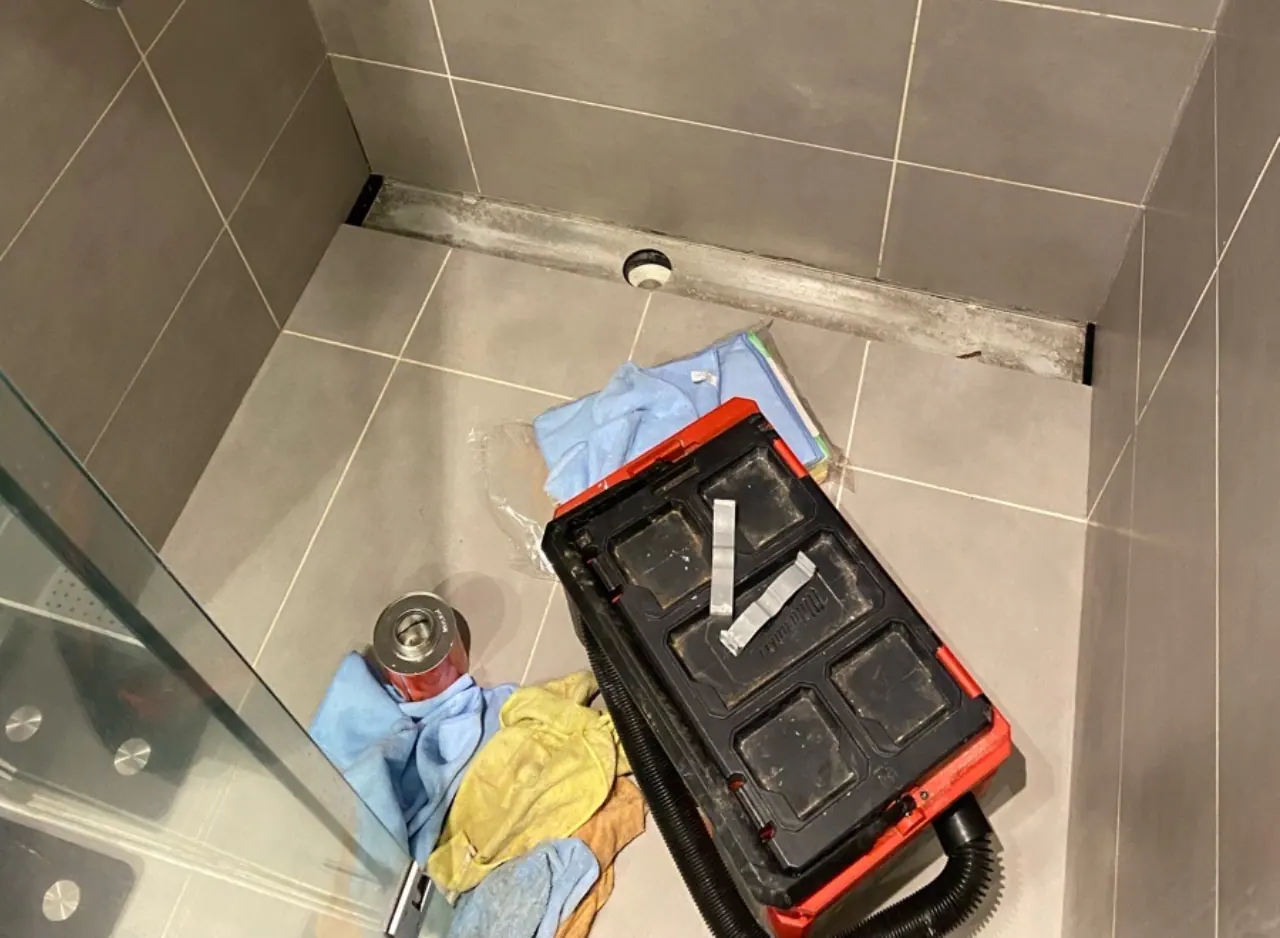
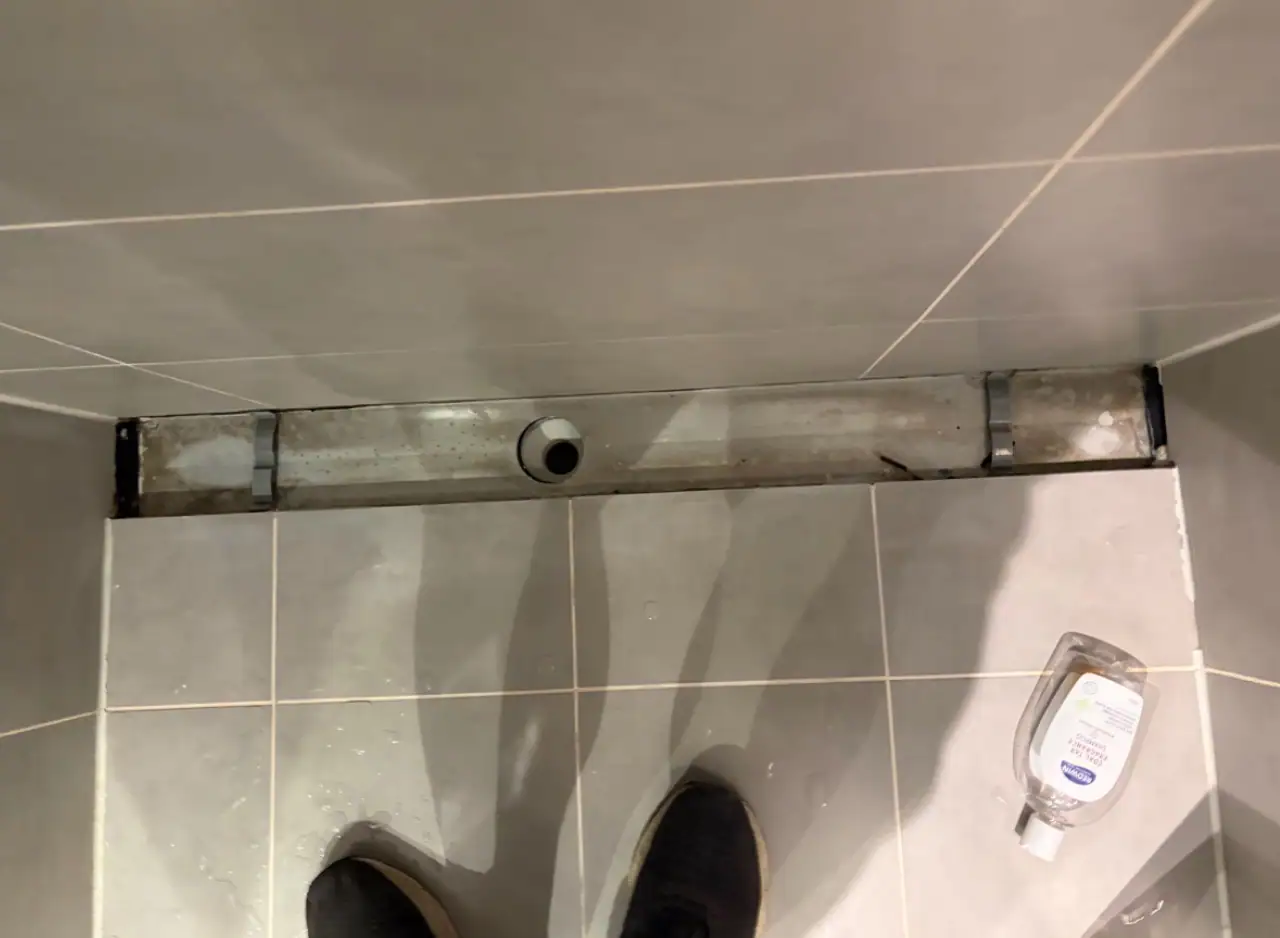
During the Hawthorn attendance, the technician investigated the shower area and recorded poor silicone sealing around the shower drain and base. The findings identified deteriorated seals at the shower wall-to-floor junctions and around the drain outlet. These areas were described as no longer watertight.
The assessment attributed water ingress to deteriorated shower seals, with water tracking behind the tiled surfaces and along the floor. This finding was consistent with the occupants’ reports of damp carpet in the bedrooms adjoining the bathroom.
The inspection, therefore, identified a sealing defect affecting the shower enclosure, rather than establishing a burst water pipe as the cause of the reported dampness.
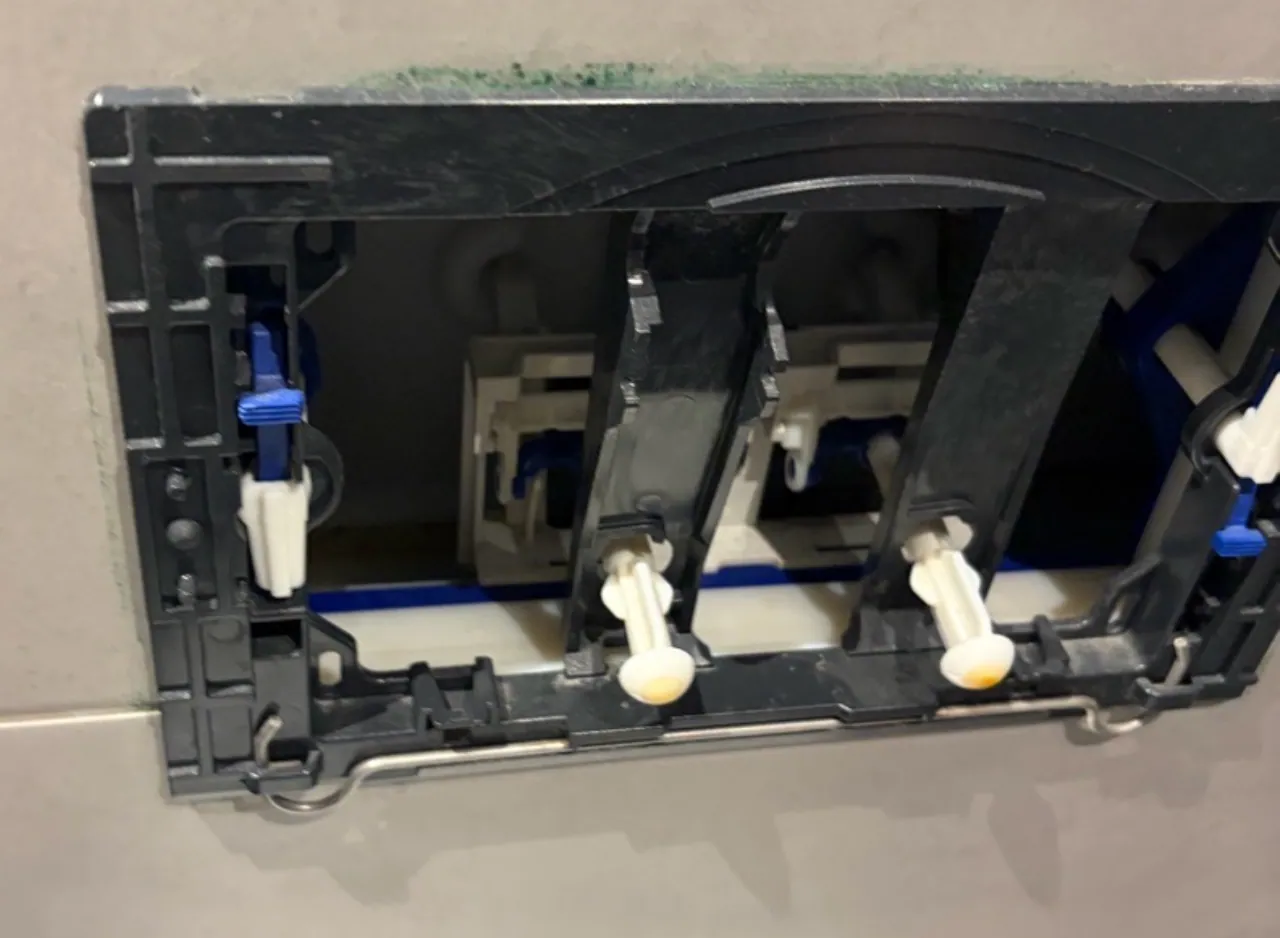
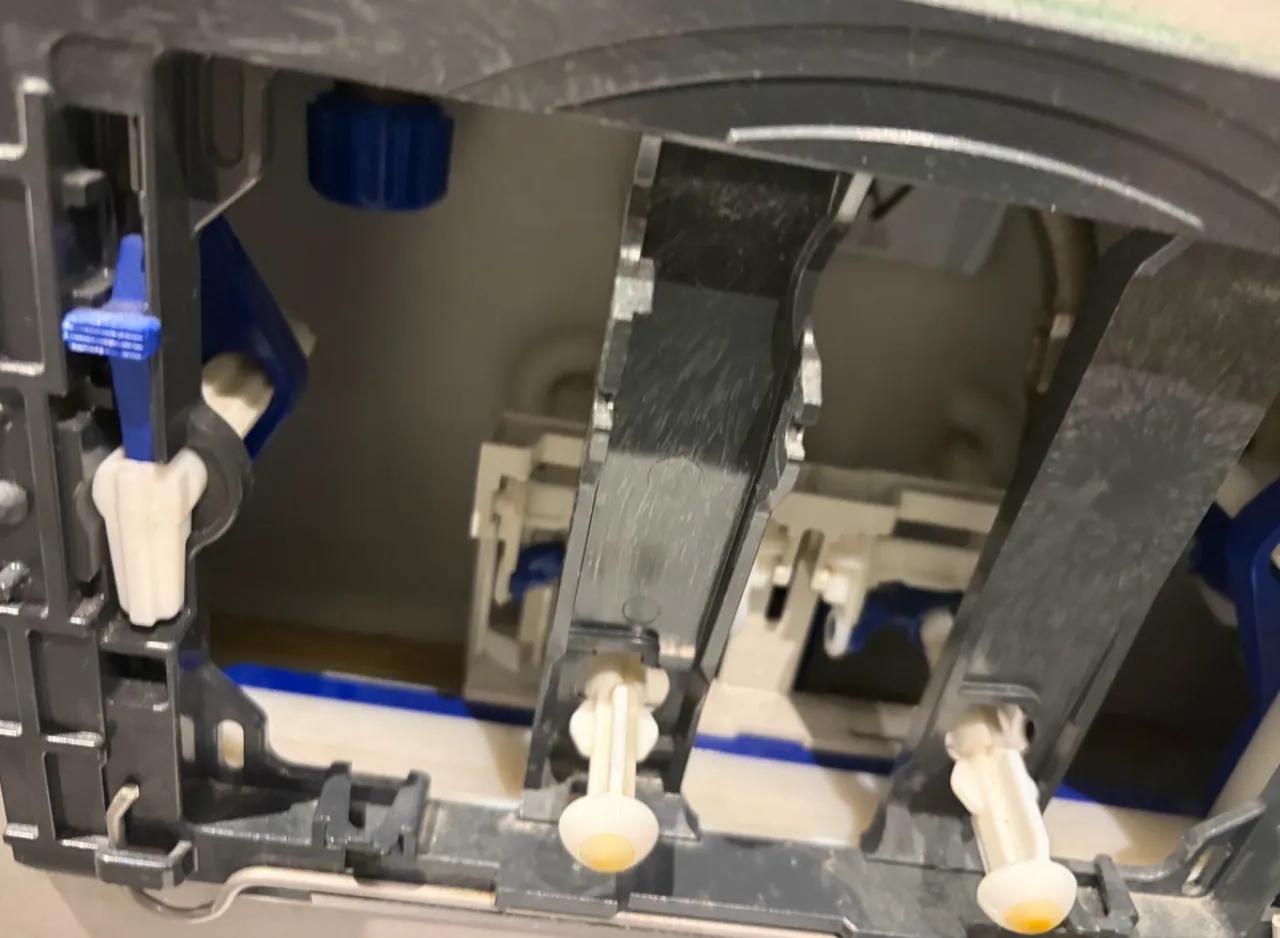
A separate issue concerned the toilet’s in-wall cistern. The occupants had experienced flushing problems since moving into the property and reported that an earlier repair had not resolved them. Replacement of the flush valve was specified in the work order.
The technician also recorded a water-pressure reading of 600 kPa and recommended a pressure-limiting valve. That recommendation was separate from the confirmed shower and toilet work.
All work was completed in accordance with the Victorian Building Authority (VBA) regulatory framework.
Solutions delivered
Following the inspection, the technician recommended renewing the deteriorated silicone seals around the shower. The recommendation addressed the areas identified as allowing water to move behind the shower’s tiled surfaces and floor.
The customer accepted the recommendation, and the technician subsequently confirmed that the shower had been resealed with silicone. The attendance also addressed the toilet’s persistent flushing issue. The work order specified replacement of the in-wall cistern flush valve, and the technician confirmed installation of a new flush valve.
The specified replacement was a Geberit in-wall cistern component. The recorded water-pressure reading of 600 kPa led to an additional recommendation for a pressure-limiting valve.
Tools, Parts & Systems Used
- Shower silicone
- New toilet flush valve
- Shower enclosure and drain-area seals
- In-wall toilet cistern
- Water-pressure measurement: 600 kPa
Outcome & Results
The technician confirmed the completion of two plumbing tasks at the Hawthorn property: resealing the shower silicone and installing a new toilet flush valve.
The shower work addressed the deteriorated sealing identified during the investigation. The toilet work addressed the separate, previously reported flushing problem.
The attendance also recorded a water-pressure reading of 600 kPa, resulting in a recommendation to install a pressure-limiting valve. The confirmed job outcome is the completion of the shower and flush-valve work, rather than a documented resolution of all moisture or water-pressure concerns.
All work was carried out in accordance with relevant Australian Standards and safety requirements.
Repair vs Replacement
When should shower seals be repaired, and when should a toilet flush valve be replaced? The appropriate action depends on the component and the defect identified.
For this Hawthorn job, the findings attributed water ingress to deteriorated silicone around the shower’s junctions and drain area. Renewing those seals was the recommended repair, and the resealing was completed.
The toilet presented a different problem: occupants reported persistent flushing difficulties after an earlier repair. The work order specified a replacement flush valve, and the technician confirmed that a new valve was installed.
The water-pressure assessment produced a further recommendation for a pressure-limiting valve. It was treated as a separate potential improvement rather than a completed replacement.