
Faulty Toilet Flush Valve Replaced in Armadale
Completed Job Summary
Zebra Plumbing attended a toilet plumbing job in Armadale after the customer reported that the toilet button had stopped working. The attending technician identified a faulty flush valve, replaced it with a valve suited to the existing cistern, and confirmed correct operation through multiple flush cycles and connection leak checks.
21 September 2026
 Jessie
Plumber
82291
This job record is derived from first-party technician notes and the Simpro job management.
Customer report
The customer contacted Zebra Plumbing because the toilet button was no longer working. The reported issue concerned the toilet’s flushing operation and required an inspection of the existing cistern mechanism. The technician assessed the flush valve and identified the component requiring replacement. The work focused on restoring the toilet’s normal flushing function.
Diagnosis & Technical Assessment
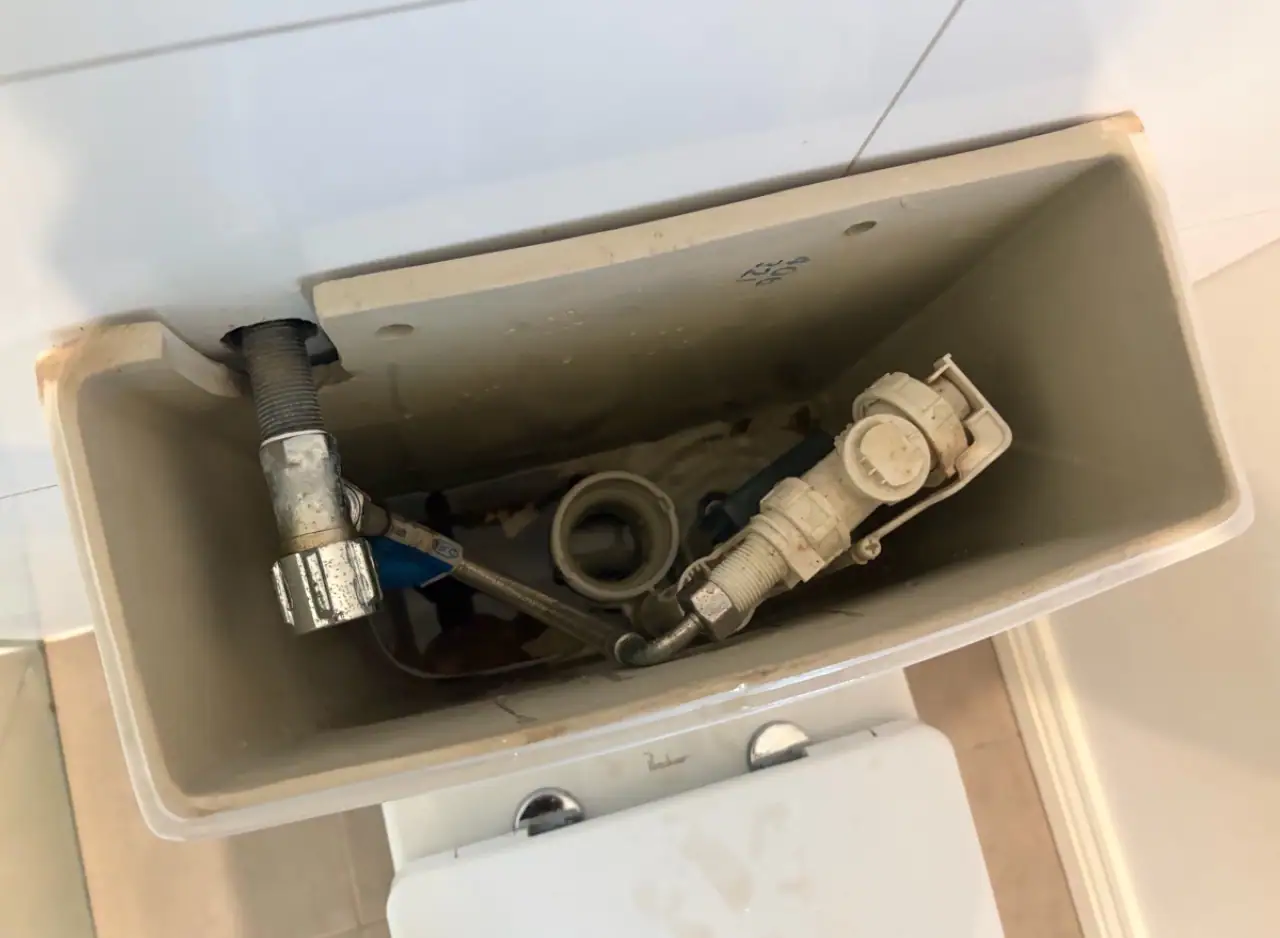
During the visit, the technician inspected the existing toilet flush valve to assess the reported problem with the flushing mechanism. The inspection established that the valve was faulty and was no longer operating correctly. This identified the component to be addressed during the repair.
The flush valve forms part of the cistern’s flushing mechanism. Its operation is relevant to the release of water during a flush and to the cistern’s ability to return to its normal operating condition afterwards. In this case, the technician’s assessment centred on the existing valve rather than a broader replacement of the toilet fixture.
The job documentation also identified the outlet valve as requiring replacement. Following the inspection, the selected work was to remove the faulty valve and fit a replacement suited to the existing toilet cistern.
The assessment and subsequent work were linked to practical operating checks. After the replacement, multiple flush cycles were used to assess flushing performance, while the connections were checked for leaks. The technician also checked that the cistern filled and operated correctly following reinstatement of the water supply.
All work was completed in accordance with the Victorian Building Authority (VBA) regulatory framework.
Solutions delivered
The technician began the replacement work by isolating the toilet’s water supply. With the supply isolated, the existing non-operational flush valve was removed from the cistern.
A replacement flush valve suited to the existing toilet cistern was then supplied and installed. The work retained the existing toilet cistern while addressing the faulty component identified during the inspection.
After fitting the replacement, the technician reconnected and reinstated the water supply. The new valve was tested through multiple flush cycles to check its operation and the toilet’s flushing performance. The connections were also checked for leaks.
The technician confirmed that the cistern was filling correctly and that the replacement flush valve was operating as intended. Testing and commissioning were completed before the job was closed.
The completed work, therefore, consisted of identifying the faulty valve, replacing the component, restoring the water supply, and verifying the toilet’s operation through repeated functional checks.
Tools, Parts & Systems Used
- Replacement toilet flush valve
- Existing toilet cistern and flushing mechanism
- Water supply
Outcome & Results
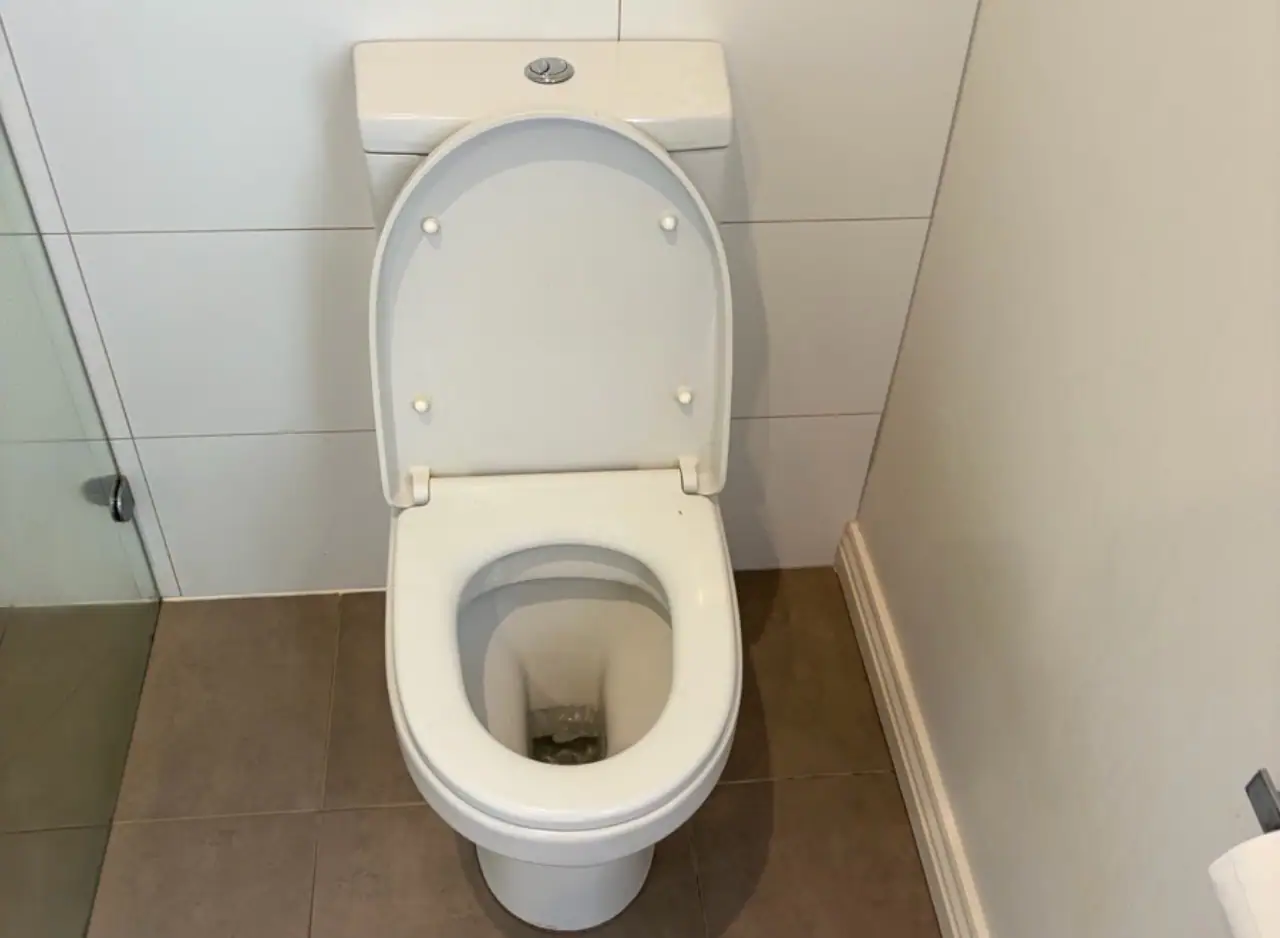
The toilet flush valve replacement was completed, and after installation, the technician performed multiple flush cycles and confirmed that the toilet flushed correctly and performed adequately.
The connections were checked for leaks, and the cistern was confirmed to be filling and operating correctly after the water supply was reinstated. The replacement valve was left tested and commissioned.
The completed job restored the flushing operation that was addressed during the visit, with final checks confirming the new valve’s function and the condition of its connections.
All work was carried out in accordance with relevant Australian Standards and safety requirements.
Repair vs Replacement
When a toilet flushing mechanism stops operating correctly, the appropriate response depends on the component affected and its condition. Inspection helps establish whether the problem can be addressed through adjustment or repair, or whether replacing a faulty component is the more suitable approach.
For this Armadale job, the technician identified the existing flush valve as faulty and replaced that component with one suited to the existing cistern. This approach addressed the identified valve fault without replacing the complete toilet.
After a component replacement, operational testing remains important. Multiple flush cycles can confirm that the flushing mechanism works, while connection checks and observation of cistern filling help establish that the system is operating correctly following the work.