
Stormwater Drainage Maintenance Completed in South Yarra
Completed Job Summary
A routine stormwater drainage maintenance was completed at a property in South Yarra as part of scheduled inspection works. Drainage components, including grates, channels, pits, and downpipes, were inspected and cleaned, with debris removed and system functionality confirmed following maintenance.
4 February 2026
 Taylor
Senior Plumber
81215
This job record is derived from first-party technician notes and the Simpro job management.
Customer report
Maintenance works were scheduled under routine service scope relating to RM013 – Stormwater Drains, Grates and Channels. The job involved a structured inspection and maintenance review of the building’s stormwater drainage components. Areas included roof drainage paths, surface channels, grates, drainage pits, gutters, floor wastes, and downpipes servicing the property. The purpose of the visit was to assess operational condition and carry out cleaning and preventative maintenance where required to maintain drainage flow and ensure the system remained free of obstruction or deterioration.
Diagnosis & Technical Assessment
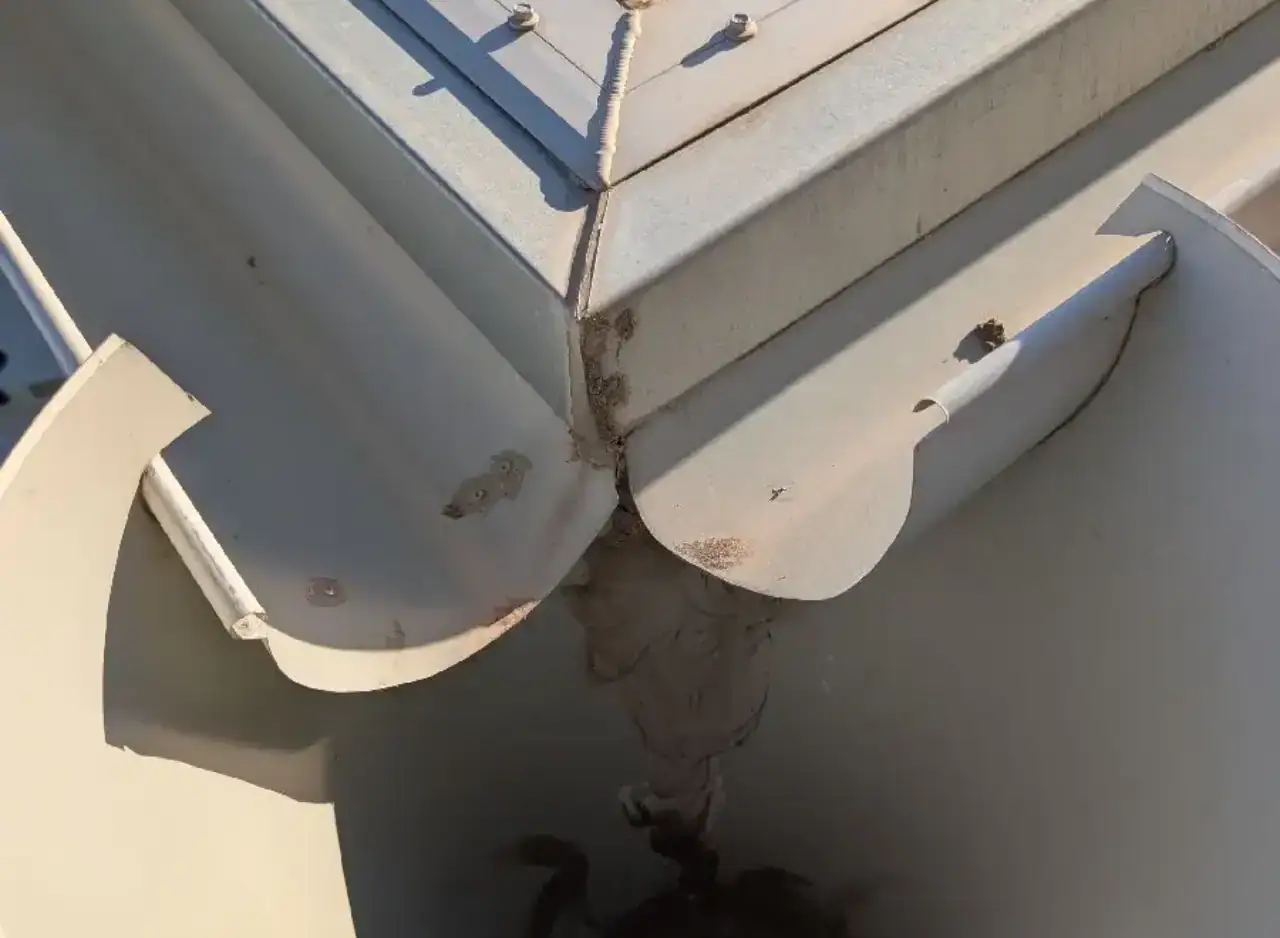
A systematic inspection of the stormwater drainage network was carried out across roof drainage points, surface channels, pits, and connected outlets. The inspection checklist included assessment for common deterioration or blockage conditions affecting drainage performance. Components were reviewed for signs of blockage, leakage, structural deformation, cracking, discolouration, and material degradation.
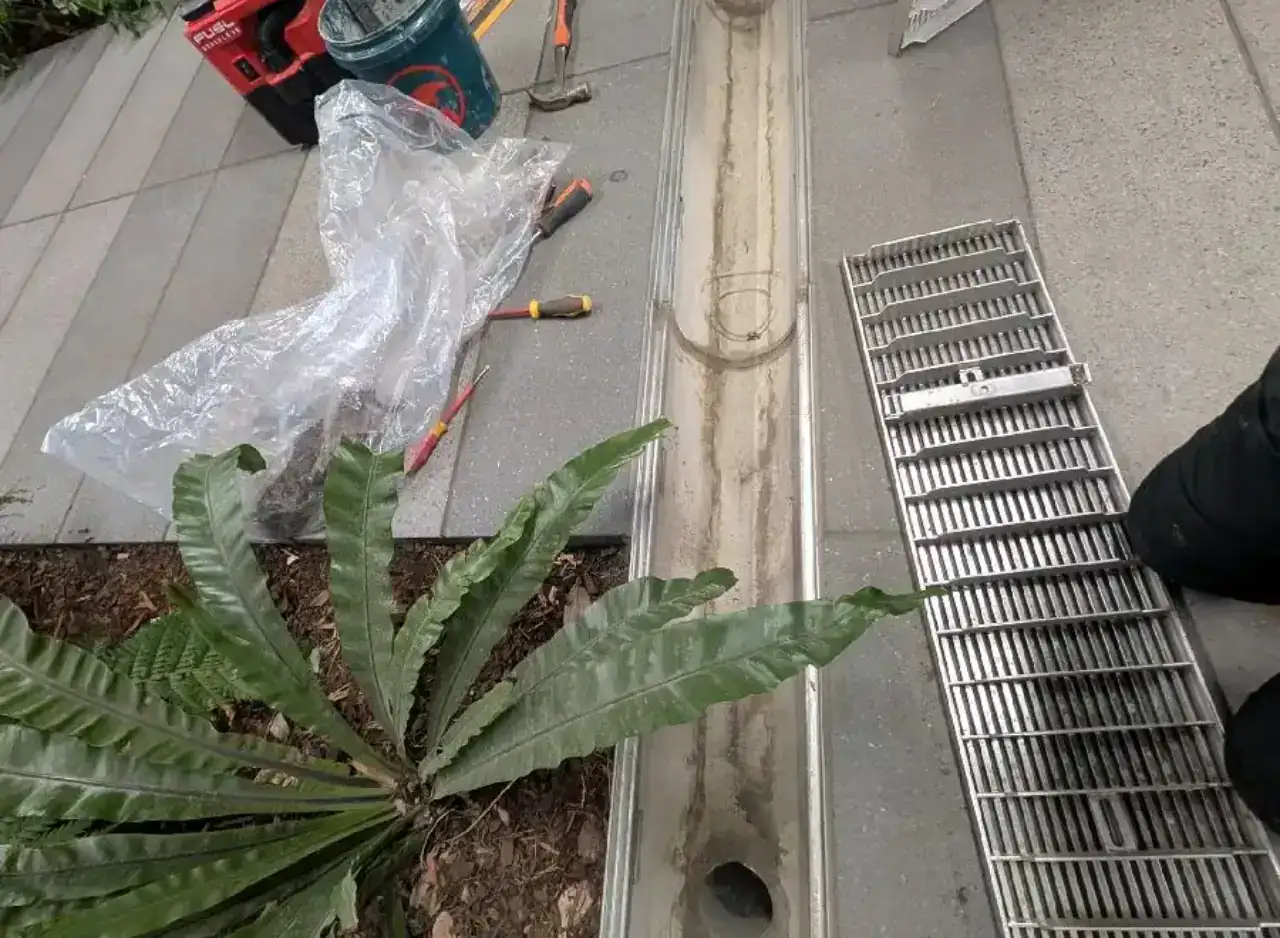
Drainage channels and grates were checked for accumulated debris, including organic matter such as leaves, branches, and silt build-up that can restrict flow. Grate structures were assessed for corrosion or structural weakening. Surface concrete areas surrounding drainage components were inspected for cracking or staining patterns that may indicate environmental exposure or pH-related surface changes.
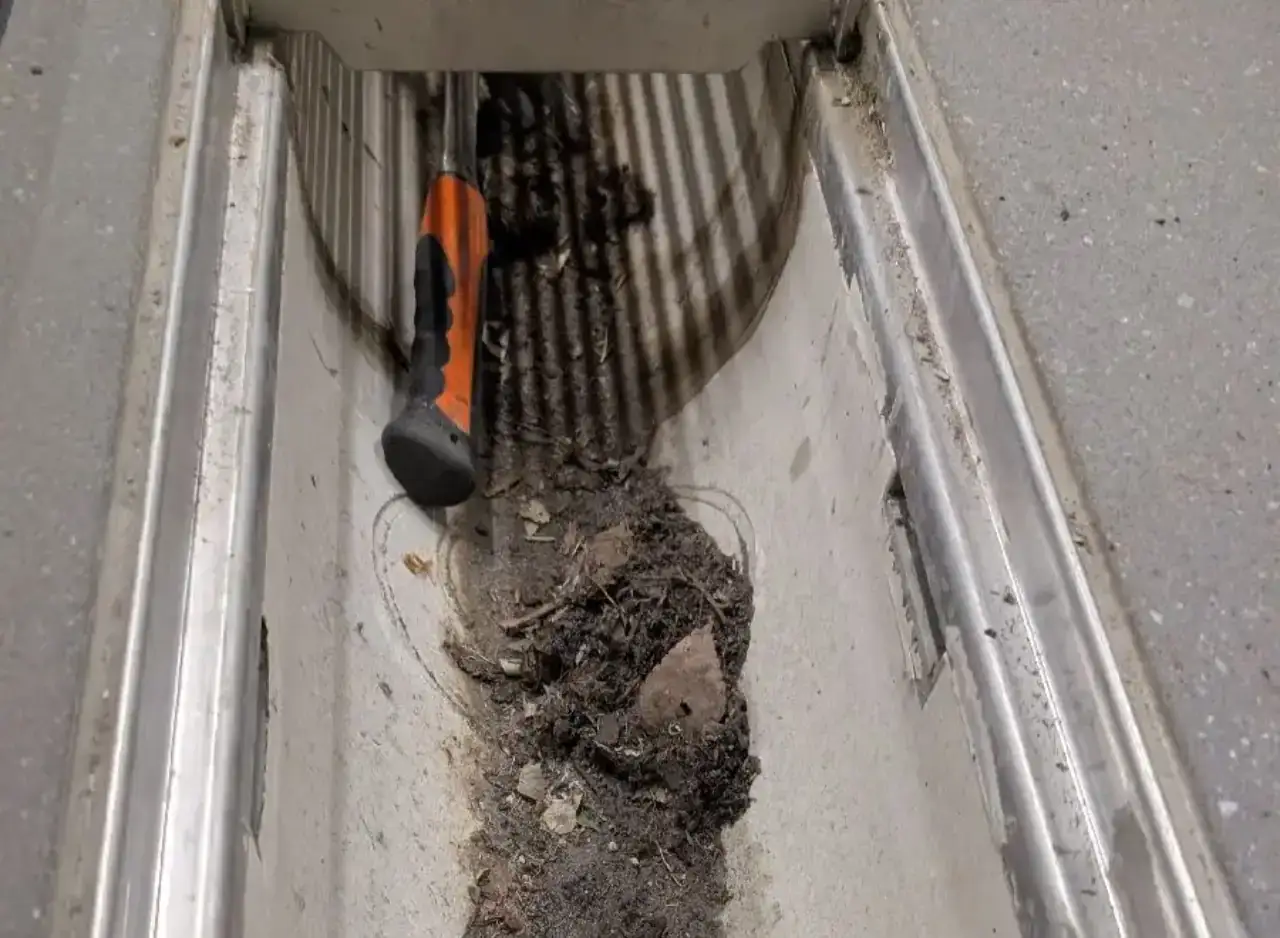
Drainage pits and outlet points were opened to allow direct inspection of internal conditions. Floor wastes and roof drainage entry points were also examined to verify unobstructed flow paths. Observations during inspection identified minor rubbish and organic debris present within some drainage points.
Structural components including grates, channels, pits, and downpipes were found to be in stable condition and functioning as intended. No operational faults or structural failures were identified across the inspected drainage network.
All work was completed in accordance with the Victorian Building Authority (VBA) regulatory framework.
Solutions delivered
Following inspection, routine maintenance cleaning was carried out across the drainage system to remove debris and maintain clear flow paths. Grates covering drainage channels and pits were removed to allow direct access for cleaning. Debris, organic material, and accumulated waste present in outlet points and drainage channels were cleared.
Floor waste points were cleaned to ensure unobstructed drainage from connected surfaces. Channels and grates were cleared of accumulated materials to prevent potential blockages during rainfall events. Debris removal was also performed at drainage outlets to maintain discharge capacity.
Roof drainage areas, ground-level channels, and drainage pits located at both the front and rear building entrances were included within the maintenance scope. Downpipes connected to the stormwater system were visually inspected as part of the drainage pathway review.
Once cleaning and inspection activities were completed, all drainage components were returned to their installed positions and the system condition was confirmed. Maintenance was completed in line with the RM013 stormwater inspection and servicing scope.
Tools, Parts & Systems Used
- Stormwater drainage system
Outcome & Results
Routine maintenance and inspection works were completed across the stormwater drainage system servicing the property in South Yarra. Debris and organic build-up present within drainage channels, grates, and outlet points were removed during the cleaning process. Following inspection and maintenance, all drainage components were confirmed to be operating in good working condition.
The drainage network, including grates, channels, pits, and downpipes, remained structurally sound and free of obstruction after servicing. No further repair or replacement works were required at the time of inspection, and the stormwater system continued operating as intended.
All work was completed in accordance with the Victorian Building Authority (VBA) regulatory framework.
Repair vs Replacement
Stormwater drainage systems typically require periodic inspection and maintenance to ensure continued flow performance and prevent obstruction. Routine servicing focuses on clearing organic debris, removing accumulated sediment, and confirming the structural stability of drainage components such as grates, pits, channels, and outlet points.
Where structural deterioration, deformation, or persistent blockage is identified during inspection, repair or component replacement may be considered. However, when drainage infrastructure remains structurally sound and obstruction is limited to removable debris, routine cleaning and maintenance generally restore full functionality without the need for system modification or replacement.
Preventative maintenance helps preserve drainage capacity and reduces the likelihood of overflow or blockage during heavy rainfall events.