
Tap Component Replacement Addressed at Prahran Property
Completed Job Summary
Kitchen tap components were replaced during a residential plumbing service in Prahran due to low water pressure and worn fittings. The tap seat was renewed, recessed tap tops installed, and the water supply isolated, reinstated, and tested on completion.
13 February 2026
 Marko
Marko
Plumber
81262
This job record is derived from first-party technician notes and the Simpro job management.
Customer report
The customer reported issues affecting the kitchen sink taps, including reduced functionality and concerns about water pressure. The request included reference images supplied during the quoting stage, highlighting the condition of the existing tap fittings and the need to replace components within the kitchen fixture.
Diagnosis & Technical Assessment
Initial inspection of the kitchen tap assembly identified performance issues consistent with worn internal components and excessive water pressure conditions. The tap seat showed signs of deterioration, affecting sealing performance and contributing to inconsistent operation of the tap system.
Observation of the water flow confirmed that pressure levels at the fixture were significantly elevated, impacting the stability and reliability of the tap components. The condition of the recessed tap tops indicated the need for replacement to restore functional control over the hot and cold water supply.
Assessment focused on the integrity of the seating surface, alignment of internal components, and operational response of the tap assembly under pressure. The interaction between high pressure and worn fittings was identified as a contributing factor to the system’s reduced performance.
Based on these observations, component replacement and seat renewal were determined to be the appropriate corrective measures to restore proper operation and ensure consistent control of water flow within the kitchen fixture.
All work was completed in accordance with the Victorian Building Authority (VBA) regulatory framework.
Solutions delivered
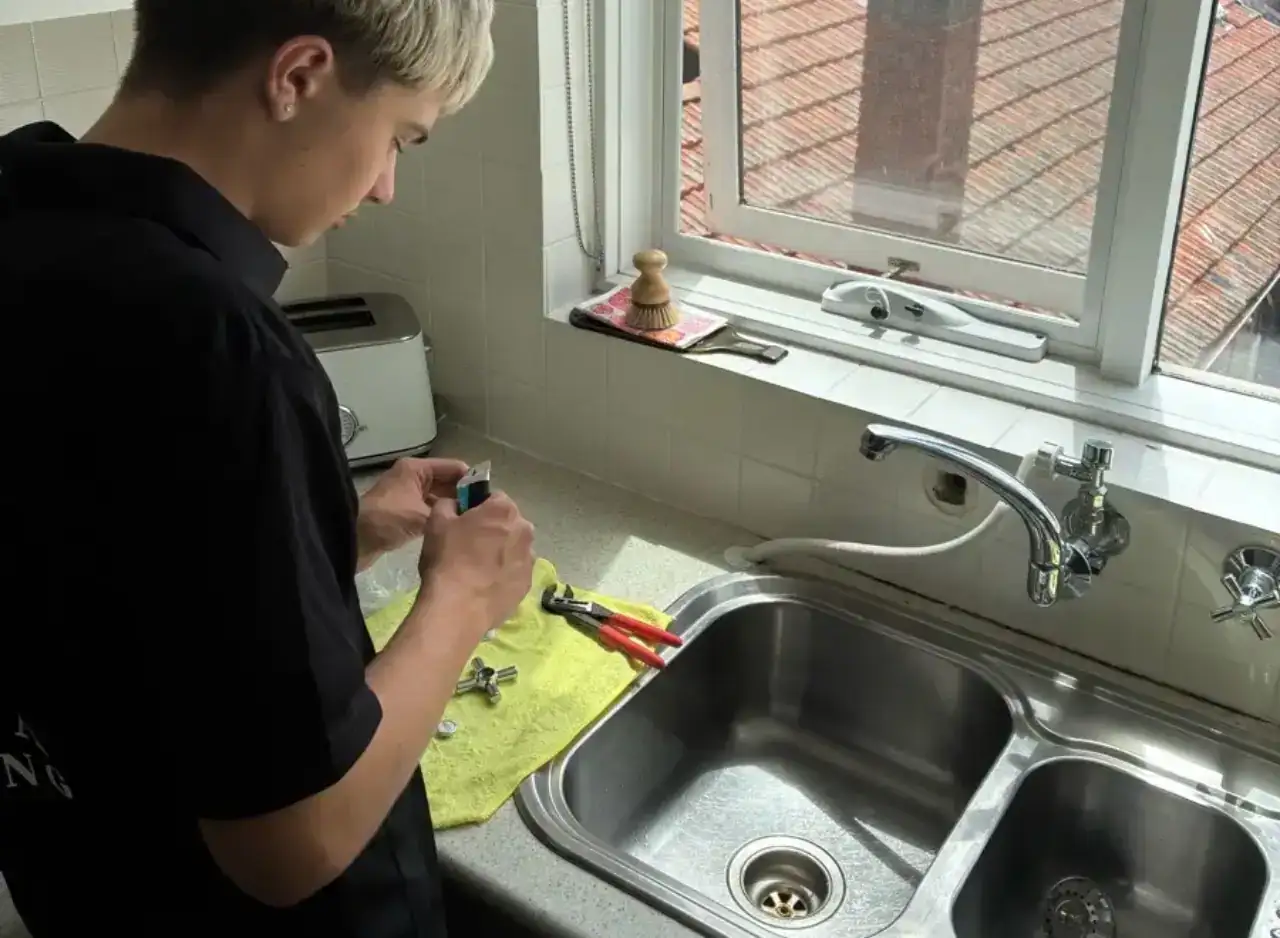
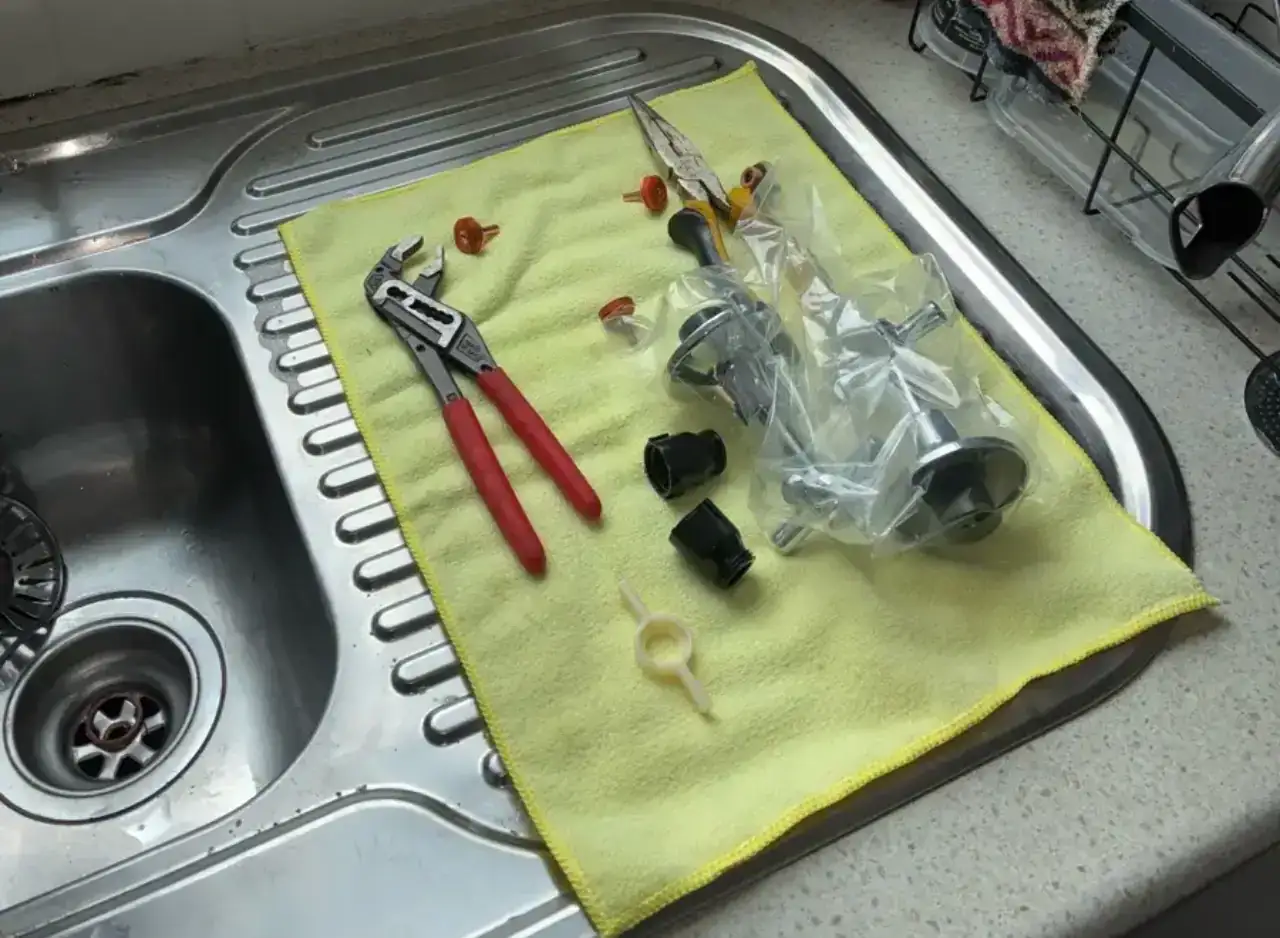
The kitchen tap system was isolated to allow controlled removal and replacement of internal components. The existing tap seat was removed and replaced to provide a stable sealing surface for the new fittings.
New hot-and-cold recessed tap-top assemblies were supplied and installed, ensuring compatibility with the existing tap configuration. Installation was completed with attention to alignment and seating to support consistent operation under existing pressure conditions.
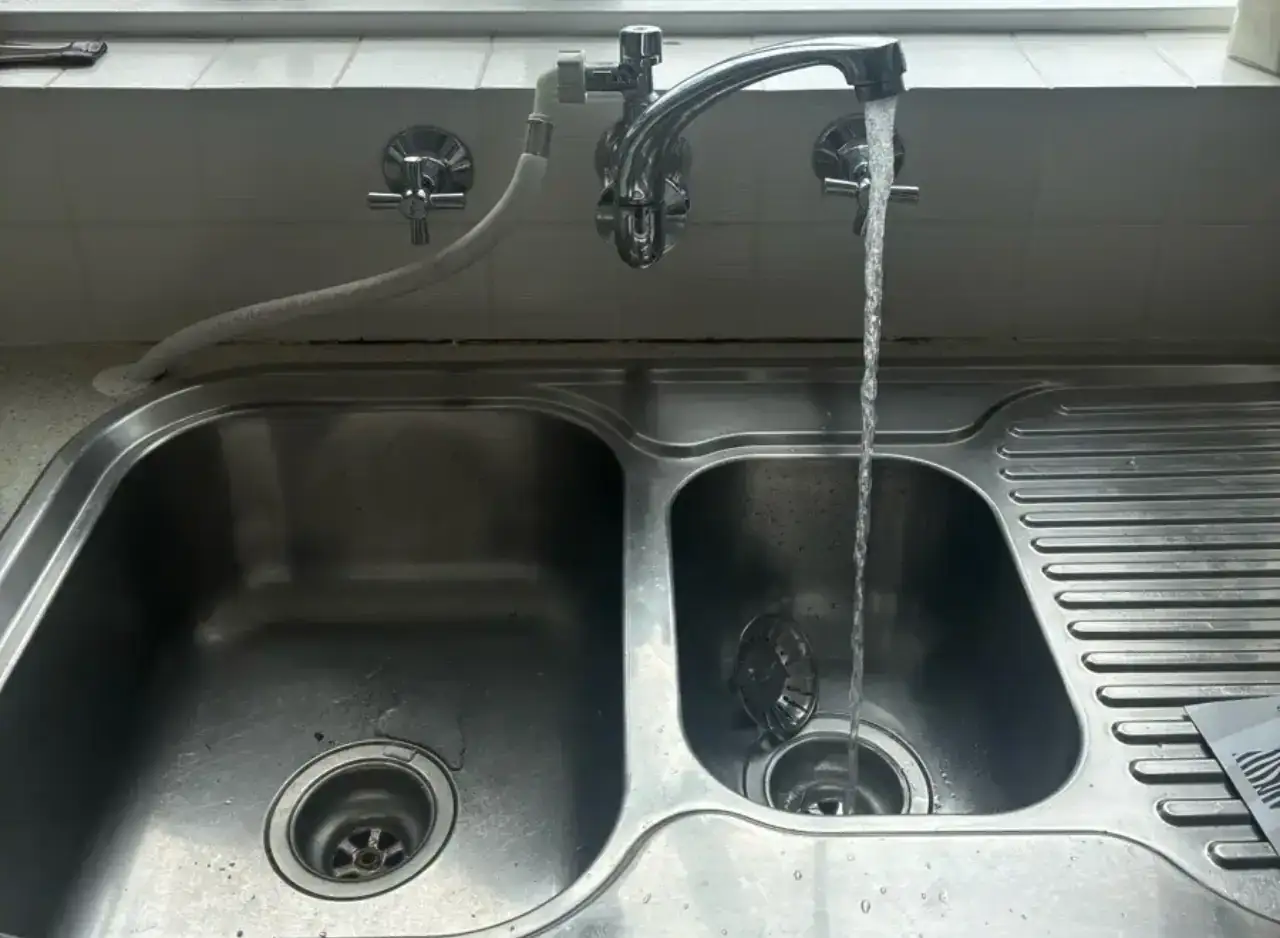
Following installation, the water supply was reinstated to the fixture, and the tap assembly was operated to confirm functional performance. The selected solution focused on restoring the tap system’s reliability through targeted component replacement rather than full fixture replacement, as the primary issues were isolated to internal wear and seating conditions.
This approach addressed both control and sealing performance while maintaining the existing kitchen tap structure.
Tools, Parts & Systems Used
- Hot recessed tap top assembly
- Cold recessed tap top assembly
Outcome & Results
The kitchen tap system was returned to operational condition following replacement of internal components and renewal of the tap seat. Water supply was successfully reinstated, and the fixture operated as intended under existing pressure conditions.
The installed tap top assemblies provided improved control over water flow, and the updated seating surface supported consistent sealing performance. The system functioned reliably following completion of the works.
All work was carried out in accordance with relevant Australian Standards and safety requirements.
Repair vs Replacement
In cases where tap performance issues are linked to internal wear or sealing failure, targeted component replacement can restore functionality without requiring full fixture replacement.
Replacement of tap seats and tap top assemblies is typically appropriate when the tap’s external structure remains intact and serviceable. This approach addresses control and sealing performance while maintaining the existing installation.
Full replacement may be considered where structural damage, corrosion, or compatibility limitations prevent effective component-level repair. Selection between repair and replacement is based on component condition, system performance, and long-term reliability considerations.