
Hot Water Supply Restored in Carlton
Completed Job Summary
Hot water temperature instability and pipework noise were investigated at a residential property in Carlton. Two failed tempering valves were identified, replaced, and tested after pipework modifications were completed to restore consistent operation.
31 March 2026
 Byron Slabbert
Founder and Managing Director
81434
This job record is derived from first-party technician notes and the Simpro job management.
Customer report
The customer reported hot water issues affecting the property in Carlton. Lukewarm water was being experienced in both bathrooms, and the hot water system was also producing noise during use. The reported sounds included humming, vibration, screaming, and screeching when hot water was opened. The initial site context also included a view that the tempering valve may have been responsible for the issue.
Diagnosis & Technical Assessment
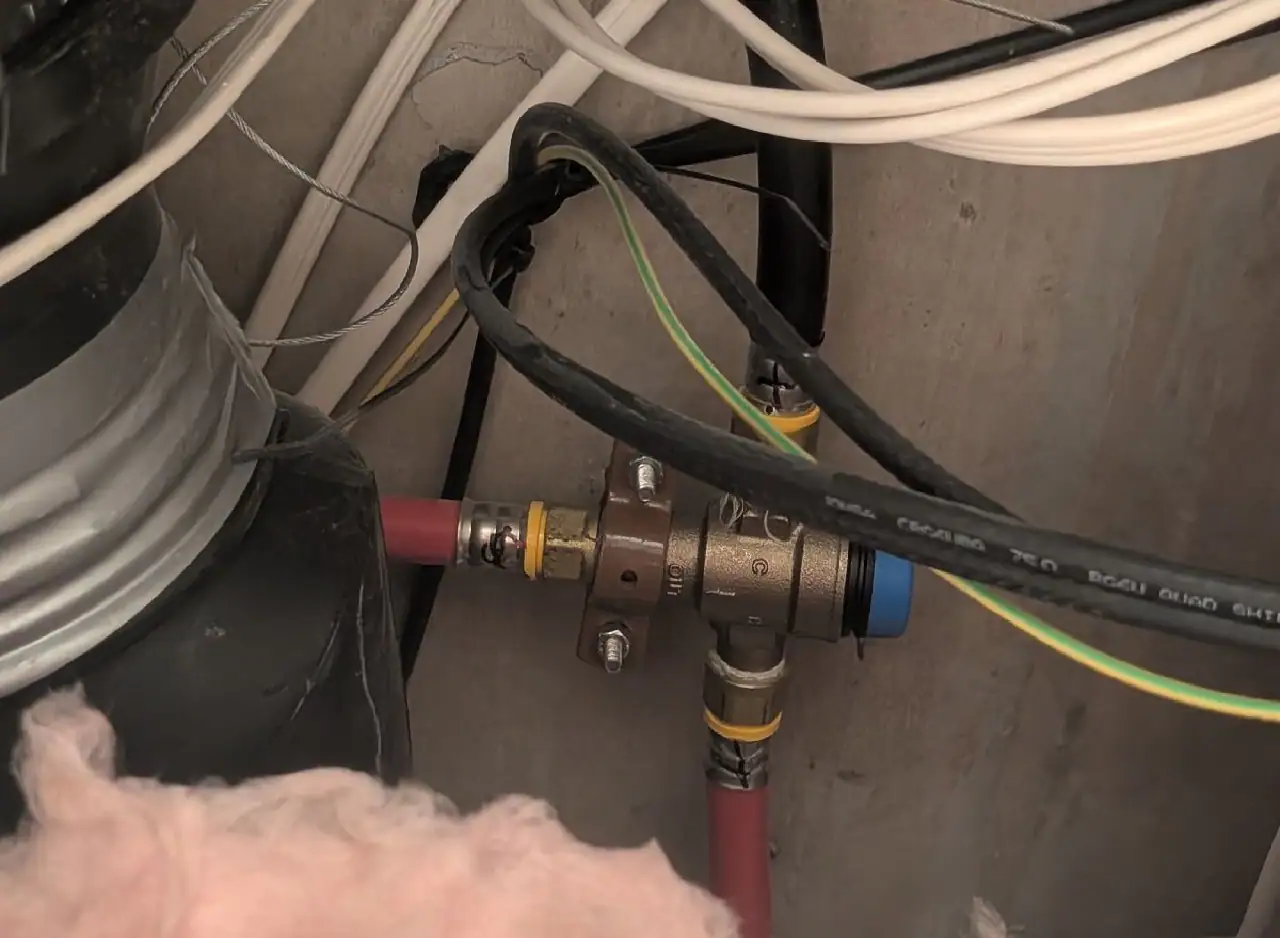
The site was attended to investigate inconsistent water temperature and noise occurring through the bathroom pipework. Testing was carried out on the affected outlets, and an investigation confirmed that each bathroom was fitted with its own tempering valve. Both tempering valves were found to have failed. These failed valves were causing unstable mixed water temperatures and producing noise during water flow.
Further inspection revealed that the existing tempering valves had been plumbed directly into the water lines without unions or adequate service provisions. Because of this installation method, the valves could not be easily isolated and removed in place. Access to the affected section required entry into a high roof space, with ladder access used to dismantle the existing valves from the pipework.
The assessment also established that replacement would require cutting out the affected pipe sections and remaking the connections. The diagnostic outcome linked both the inconsistent hot water performance and the pipework noise to the failed tempering valves and the way the original installation had been set up.
All work was completed in accordance with the Victorian Building Authority (VBA) regulatory framework.

Solutions delivered
Both failed tempering valves were replaced, confirmed as the cause of the unstable water temperature and flow noise. The existing valves had been installed without unions, so the affected pipework had to be cut out and reworked before replacement components could be fitted correctly. Access was gained through the ceiling space to remove the defective valves.
Two new 20mm tempering valves were installed, along with unions and one-way check valves to improve serviceability and allow easier future maintenance. Pipework was reconnected, the water supply was reinstated, and the valve temperatures were tested and adjusted as required. The completed installation was commissioned and checked for correct operation in accordance with the manufacturer’s guidelines. Findings were also shared with the building maintenance manager and the on-site construction manager.
Tools, Parts & Systems Used
- Power tools
- Grinder
- Large ladder
- Two 20mm tempering valves
- Unions
- One-way check valves
Outcome & Results
Final testing confirmed that the hot water temperature remained consistent after the replacement work was completed. The humming noise previously occurring during water flow was resolved. The new tempering valves were tested and adjusted to confirm correct operation, and the work area was cleaned on completion.
All work was carried out in accordance with relevant Australian Standards and safety requirements.

Repair vs Replacement
This job required replacement rather than adjustment because testing confirmed that both tempering valves had failed. Once a tempering valve is no longer controlling mixed water temperature correctly and is also creating noise under flow, replacement is typically the more appropriate option. In this case, the original installation also limited serviceability because the valves had been plumbed in without unions. Replacement allowed the defective components to be removed, the pipework to be remade correctly, and new unions and check valves to be installed so future maintenance could be carried out more effectively.