
Toilet Leak Resolved in Abbotsford
Completed Job Summary
A leaking toilet was identified at a residential property in Abbotsford, following prior inspections that suggested alternative sources. The pan collar and internal components were replaced, and three toilets were serviced using supplied parts to restore functionality and eliminate leaks.
10 March 2026
 Taylor
Senior Plumber
81356
This job record is derived from first-party technician notes and the Simpro job management.
Customer report
The customer reported a leaking issue affecting the property, with earlier inspections suggesting the shower as the source. Continued shower use did not reproduce the leak, whereas avoiding toilet use resulted in the leak stopping. The issue was isolated to toilet use, with concerns around potential odours and sealing. Multiple toilets were present at the property, and the customer supplied replacement inlet and outlet valve components for servicing.
Diagnosis & Technical Assessment
Initial context included prior inspection outcomes that attributed the leak to the shower. Ongoing use of the shower without recurrence of leaking led the focus to the toilet system. The customer confirmed that when the toilet was not used, the leak ceased, establishing a direct correlation between toilet operation and water escape.
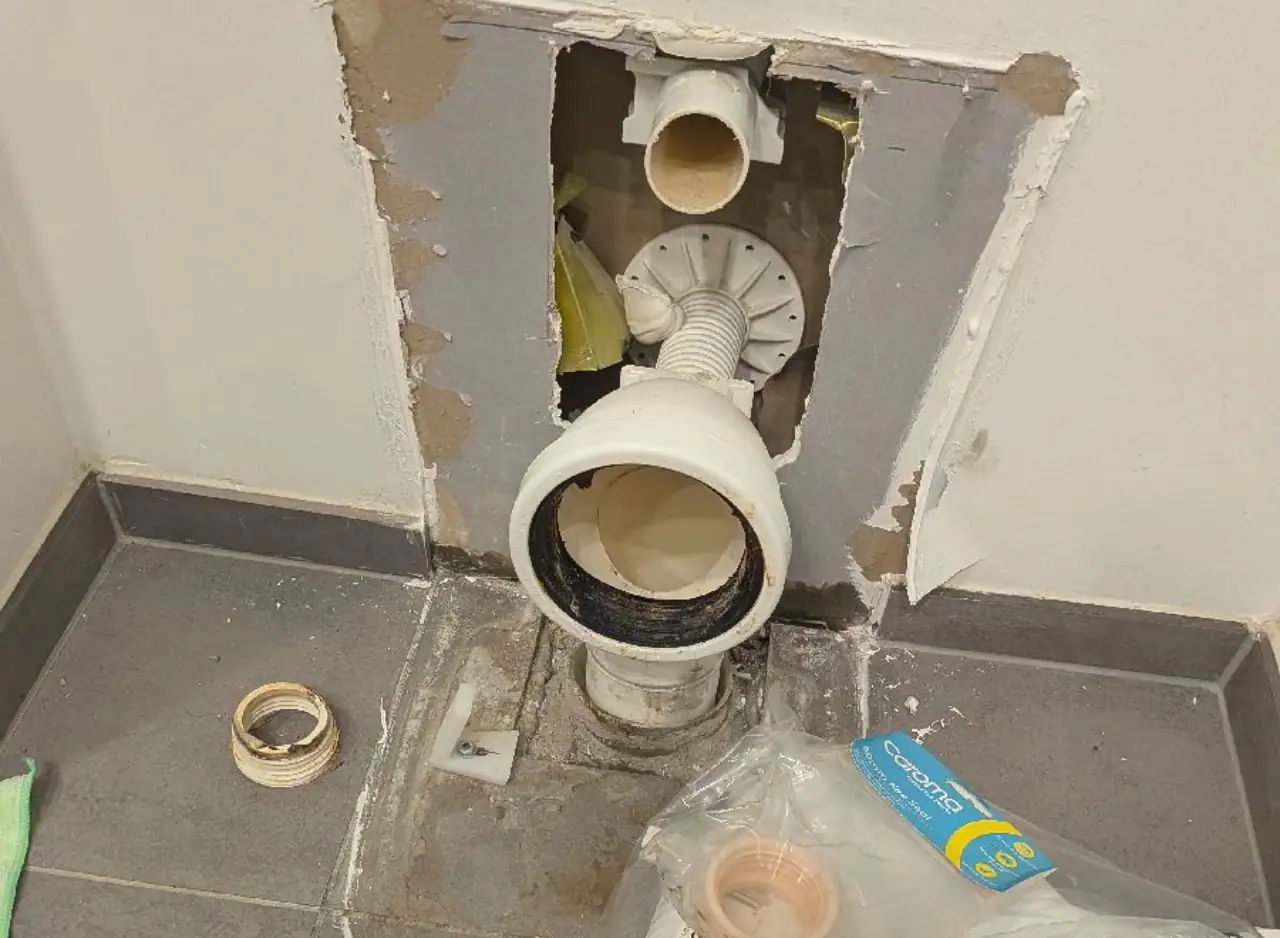
Inspection of the toilet assembly identified the pan collar as the likely failure point. The seal at the pan connection was assessed as the source of leakage, consistent with conditions where water escapes during flushing or use. The presence of odour concerns is aligned with compromised sealing at the connection point.
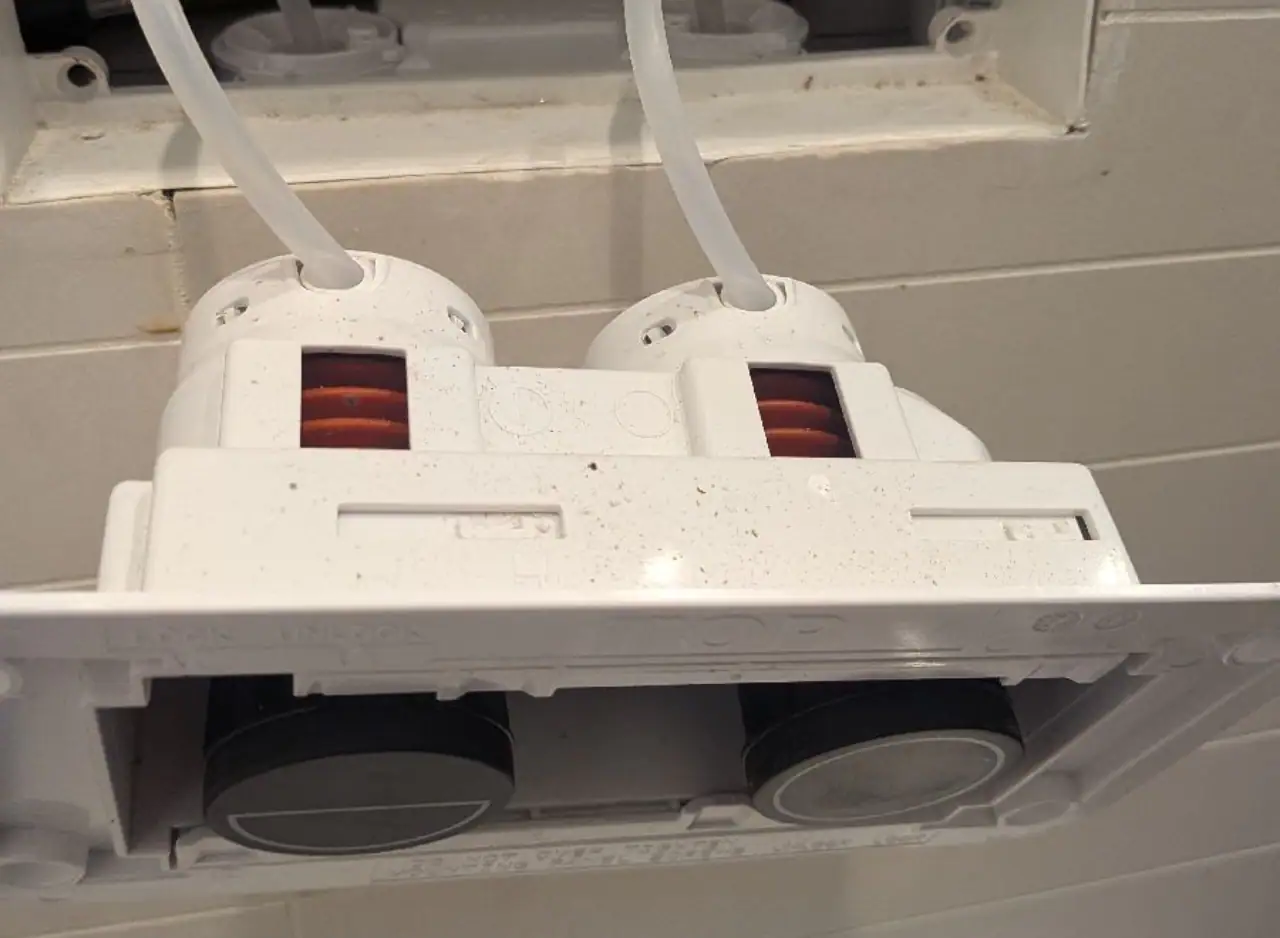
Attention was also directed to the cistern inlet system, with the previously quoted scope indicating replacement of the inlet component. The system was reviewed in the context of the supplied parts and overall toilet operation.
Across the three toilets on site, consistent behaviour was observed in the fill-and-shut-off cycles, with cisterns taking time to stop running but not continuing indefinitely. This pattern was consistent across all units and aligned with normal operation for the installed components.
All work was completed in accordance with the Victorian Building Authority (VBA) regulatory framework.
Solutions delivered
The identified failure at the pan connection was addressed by removing and replacing the pan collar. This restored the seal between the toilet pan and waste connection, resolving the leakage pathway observed during use.
A flush washer was also replaced to support internal sealing and maintain proper flush operation. The combination of pan collar replacement and internal component servicing addressed both external leakage and internal system integrity.
All three toilets at the property were serviced using customer-supplied inlet and outlet valve components. Installation of these parts included integration with existing cistern systems and adjustment of operational settings to ensure consistent performance across units.
The decision to proceed with component replacement was based on observed sealing failure and the availability of supplied parts. This approach addressed the identified leak source directly while aligning all toilet systems at the property with updated internal components.
Tools, Parts & Systems Used
- Pan collar
- Flush washer
- Flush cone 50mm
- Inlet valve components
- Flexi hose
- Emergency valve
Outcome & Results
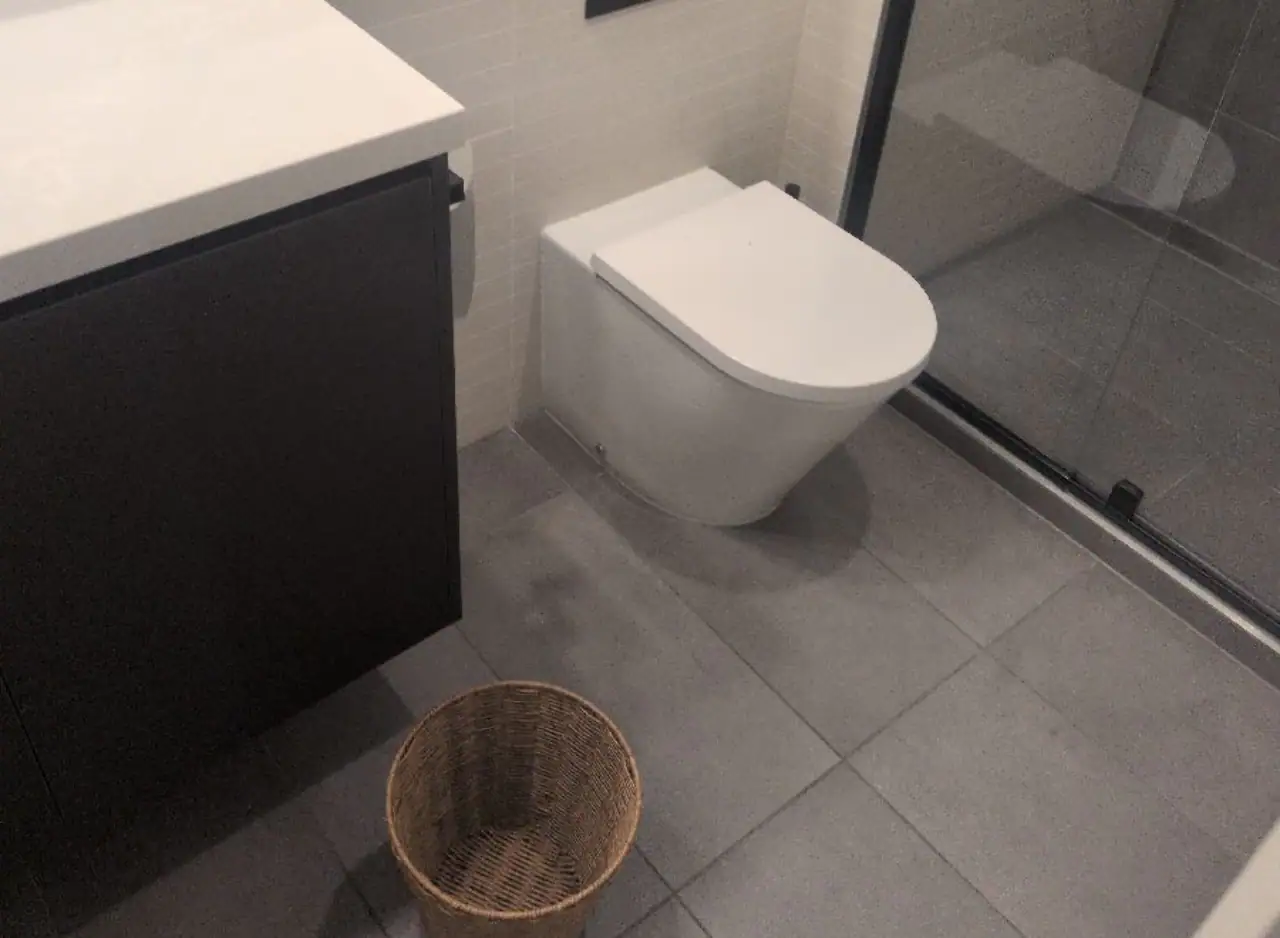
Replacement of the pan collar resolved the identified leak associated with toilet use. All three toilets were returned to operation following servicing, with consistent performance observed across units. Cistern refill behaviour was noted as uniform and stable, with no ongoing running.
Work areas were cleaned following completion, and system checks confirmed functional operation. A minor cosmetic item relating to the toilet pan paint condition was discussed with the property owner.
All work was carried out in accordance with relevant Australian Standards and safety requirements.
Repair vs Replacement
Toilet leaks at the pan connection are typically caused by a seal failure between the pan and the waste outlet. Where the connection point shows signs of leakage or odour, replacing the pan collar restores sealing integrity and resolves the issue.
Internal cistern components, such as flush washers and inlet valves, may also require replacement when wear affects operation or contributes to system inefficiency. When multiple toilets are present, servicing all units together can standardise performance and reduce variation in behaviour.
Replacement is generally selected where sealing components have degraded or failed, while servicing is appropriate for restoring function where structural components remain intact.