
Sewer Overflow Issue Resolved in South Yarra
Completed Job Summary
Sewer overflow affecting a residential apartment was investigated and resolved in South Yarra following a reported toilet backup. The blockage within the shared drainage system was identified, cleared using high-pressure jetting, and assessed using CCTV inspection.
27 March 2026
 Byron Slabbert
Founder and Managing Director
81423
This job record is derived from first-party technician notes and the Simpro job management.
Customer report
The customer reported returning home to find sewage overflow throughout the apartment, with the toilet having discharged waste internally. The issue occurred without prior warning and was associated with plumbing fixtures in other apartments above. The overflow affected multiple fixtures, including the toilet and shower, and caused wastewater to enter the living space.
Diagnosis & Technical Assessment
On arrival, the overflow condition was confirmed within the apartment, with both the toilet and the shower discharging wastewater. Inspection identified that the issue was not isolated to the apartment’s internal plumbing but originated in a shared drainage system serving multiple units.
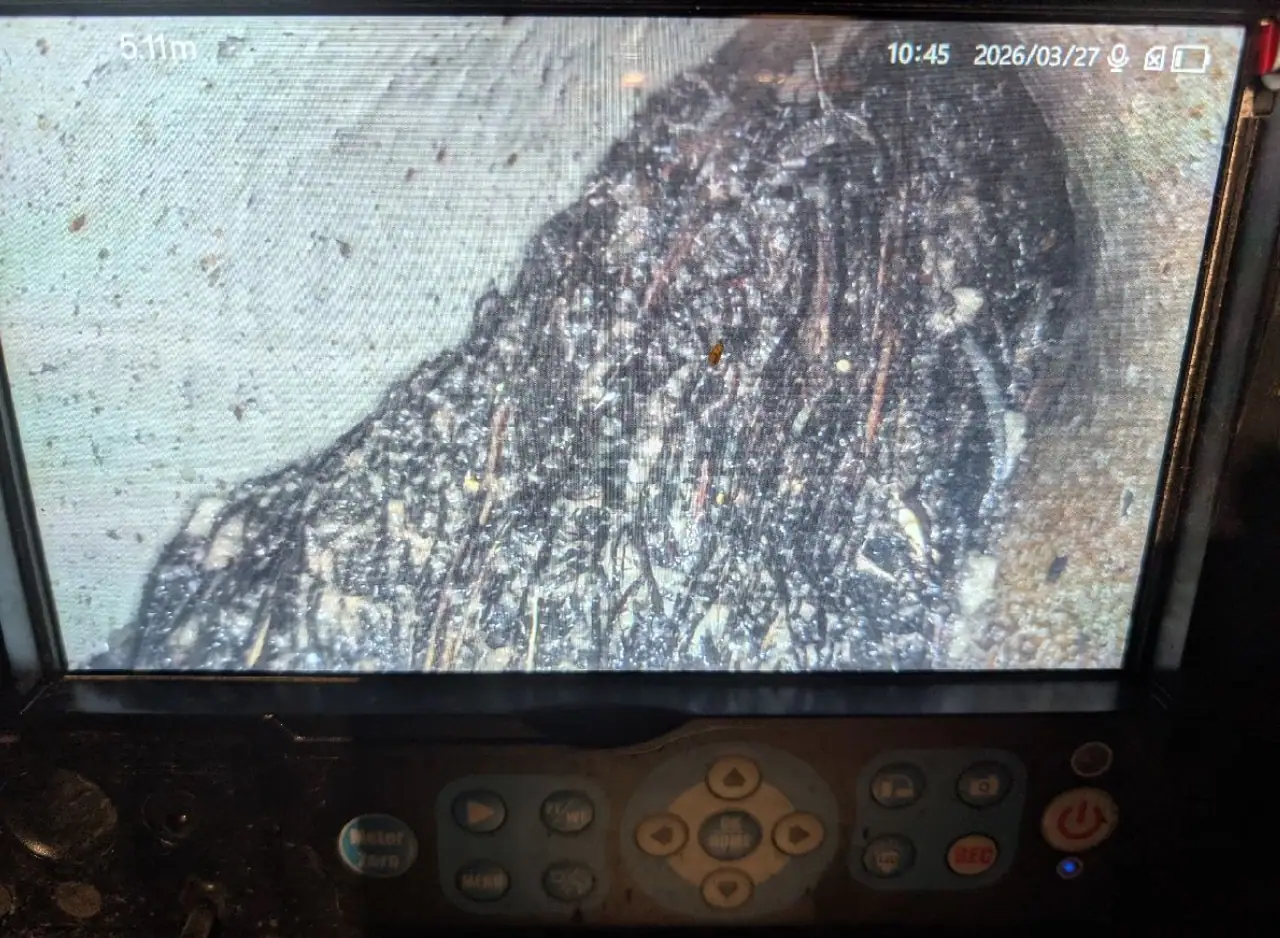
CCTV inspection of the drain line was conducted following access via the inspection opening beneath the building. This confirmed that the blockage was located in the common sewer drain rather than in any pipework exclusively serving the apartment.
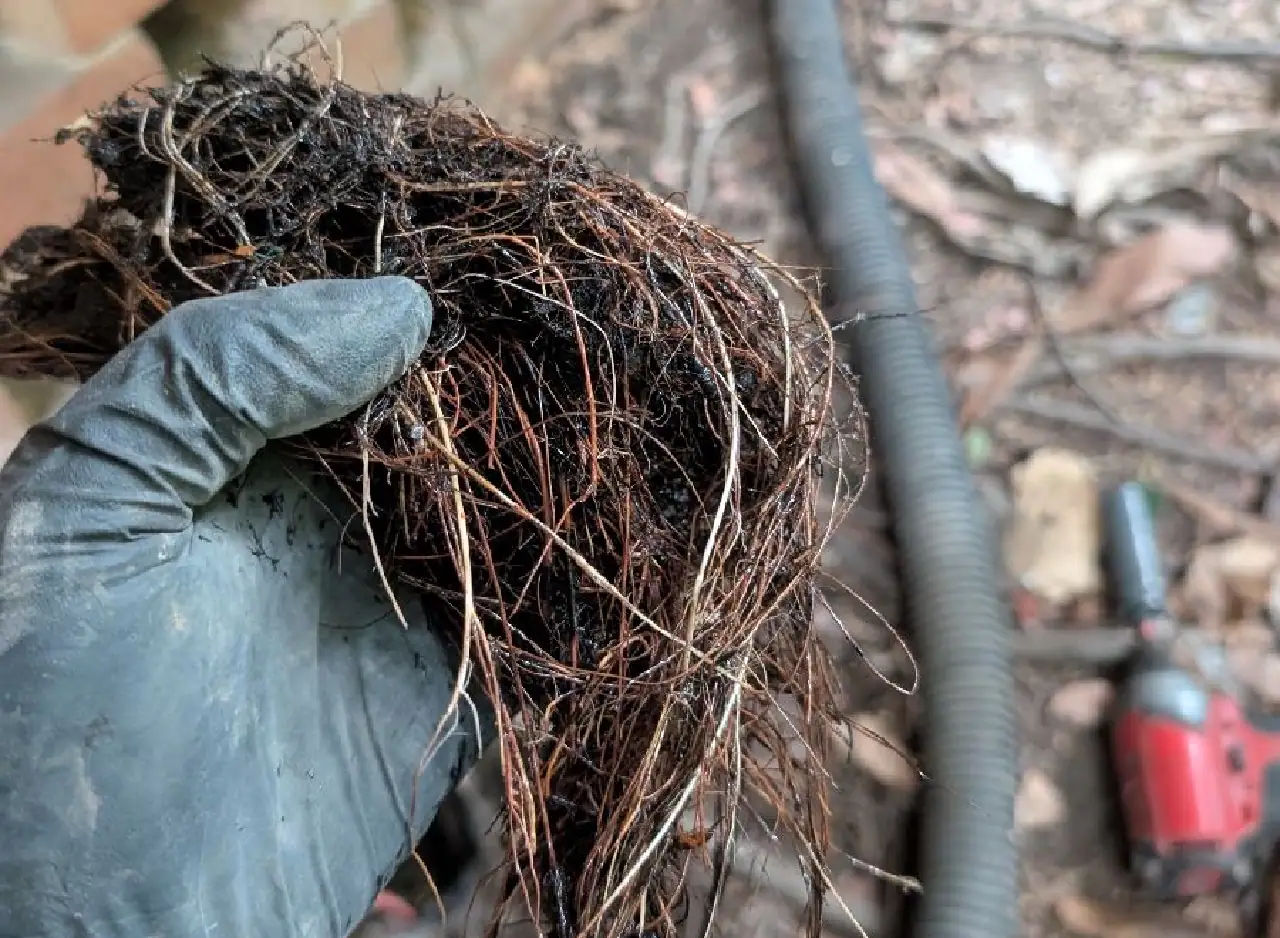
Further observations identified that the cast iron pipework within the shared system had experienced significant corrosion, reducing internal diameter and contributing to waste accumulation. Root intrusion was also identified at the junction between cast iron and clay pipe sections, further restricting flow.
These combined conditions prevented wastewater from upper-level apartments from discharging effectively, resulting in backflow through the lowest available fixture, being the client’s toilet.
All work was completed in accordance with the Victorian Building Authority (VBA) regulatory framework.

Solutions delivered
High-pressure hydrojetting was performed to remove the obstruction in the common sewer drain and restore normal flow conditions. Access was established through the inspection opening located beneath the building, allowing direct entry to the affected section of pipework.
Jetting was used to break down accumulated waste and remove root intrusion identified at the pipe junction. This method was selected to restore flow without introducing invasive excavation or replacement works.
Following clearing, a CCTV inspection was completed to confirm the effectiveness of the jetting process and assess the internal condition of the drainage system. This inspection verified that the blockage had been removed and that wastewater flow had returned to normal operation.
The solution addressed the immediate obstruction within the shared system, restoring function to the affected apartment and preventing further overflow under current operating conditions.
Tools, Parts & Systems Used
- High-pressure water jetter
- CCTV drain inspection equipment
Outcome & Results
The blockage within the shared sewer drain was removed, and wastewater flow was restored through the system. The affected fixtures within the apartment ceased overflowing, and no internal drainage defects were identified within the property.
The CCTV inspection confirmed that the flow had been re-established and that the obstruction had been cleared from the system. Ongoing system condition factors, including pipe corrosion and root intrusion, remain present within the shared drainage infrastructure.
All work was carried out in accordance with relevant Australian Standards and safety requirements.
Repair vs Replacement
In shared drainage systems, clearing a blockage is typically prioritised when the obstruction is caused by accumulated waste or root intrusion, and flow can be restored using non-invasive methods. High-pressure jetting allows obstructions to be removed without disturbing surrounding structures or requiring excavation.
Replacement or relining may be considered when pipe condition prevents consistent flow or when structural degradation leads to recurring blockages. In this case, jetting was selected to restore immediate function, with inspection used to assess underlying pipe condition and contributing factors within the system.