
Toilet and Pressure Issues Resolved in Brunswick
Completed Job Summary
A completed plumbing job in Brunswick addressed a running toilet, pressure concerns, and additional laundry sink issues. Two toilet cisterns were replaced, a 20mm boundary pressure limiting valve was installed, trap washers were changed, and the system was checked with no leaks recorded.
7 April 2026
 Taylor
Senior Plumber
81454
This job record is derived from first-party technician notes and the Simpro job management.
Customer report
The customer reported concerns about pressure, a running toilet, and the possibility of a few other plumbing issues at the property. Client-provided images were referenced in the service context, and the final scope covered toilet cistern replacement, boundary pressure-control work, and rectification of the laundry sink trap.
Diagnosis & Technical Assessment
Assessment of the job focused on three active concerns raised at booking: pressure, a running toilet, and additional plumbing issues that required inspection on-site. Client-provided images were referenced in the record before work proceeded. The documented scope then aligned those reported issues to specific plumbing systems: the toilet system, boundary pressure control, and the laundry sink waste and trap assembly.
For the toilet issue, the confirmed service path was the supply and fit of two standard plastic toilet cisterns. The invoice scope states that water supply was to be shut off, excess water drained, existing cisterns removed, new cisterns installed, water restored, and the system tested and checked for leaks.
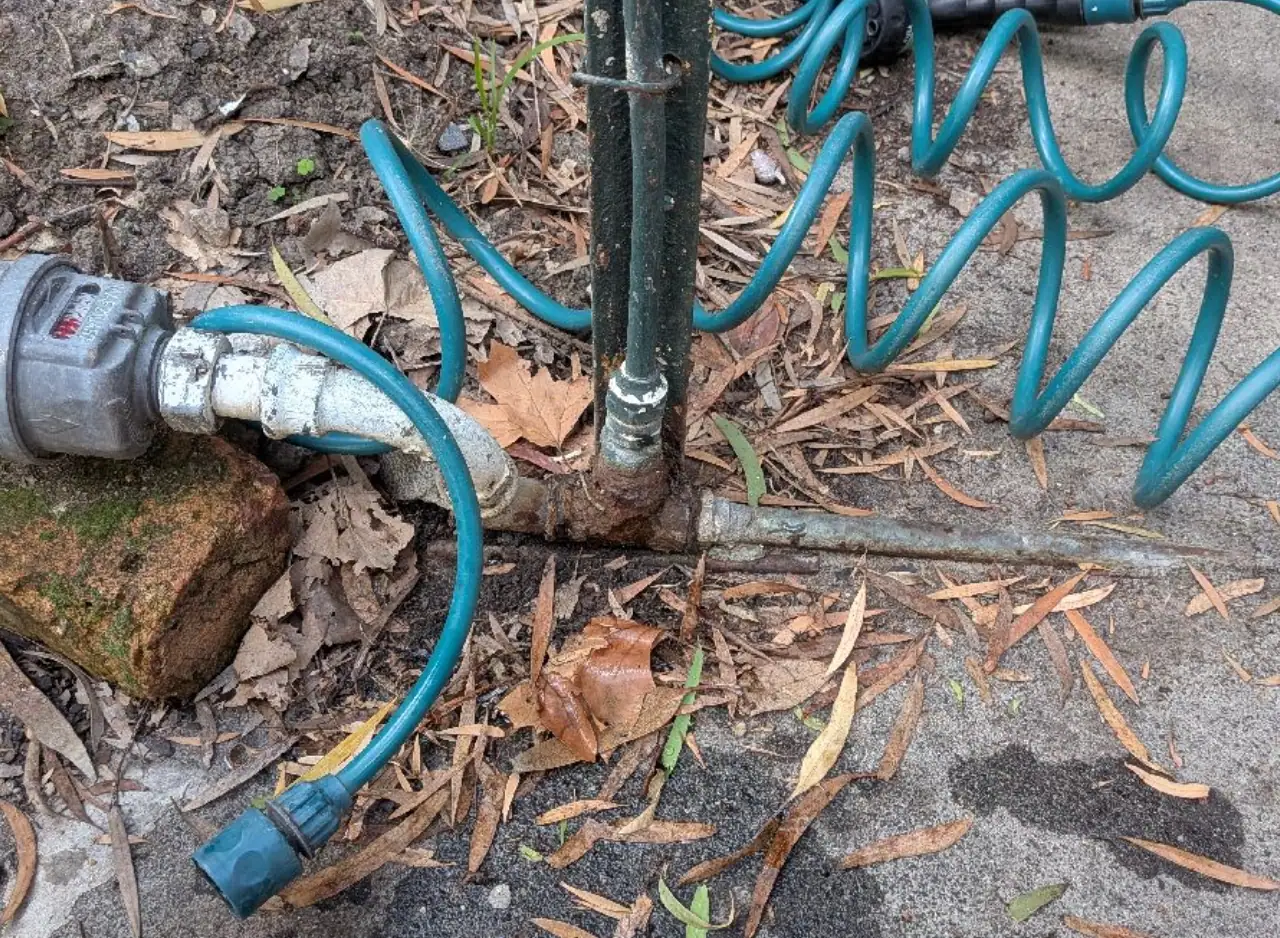
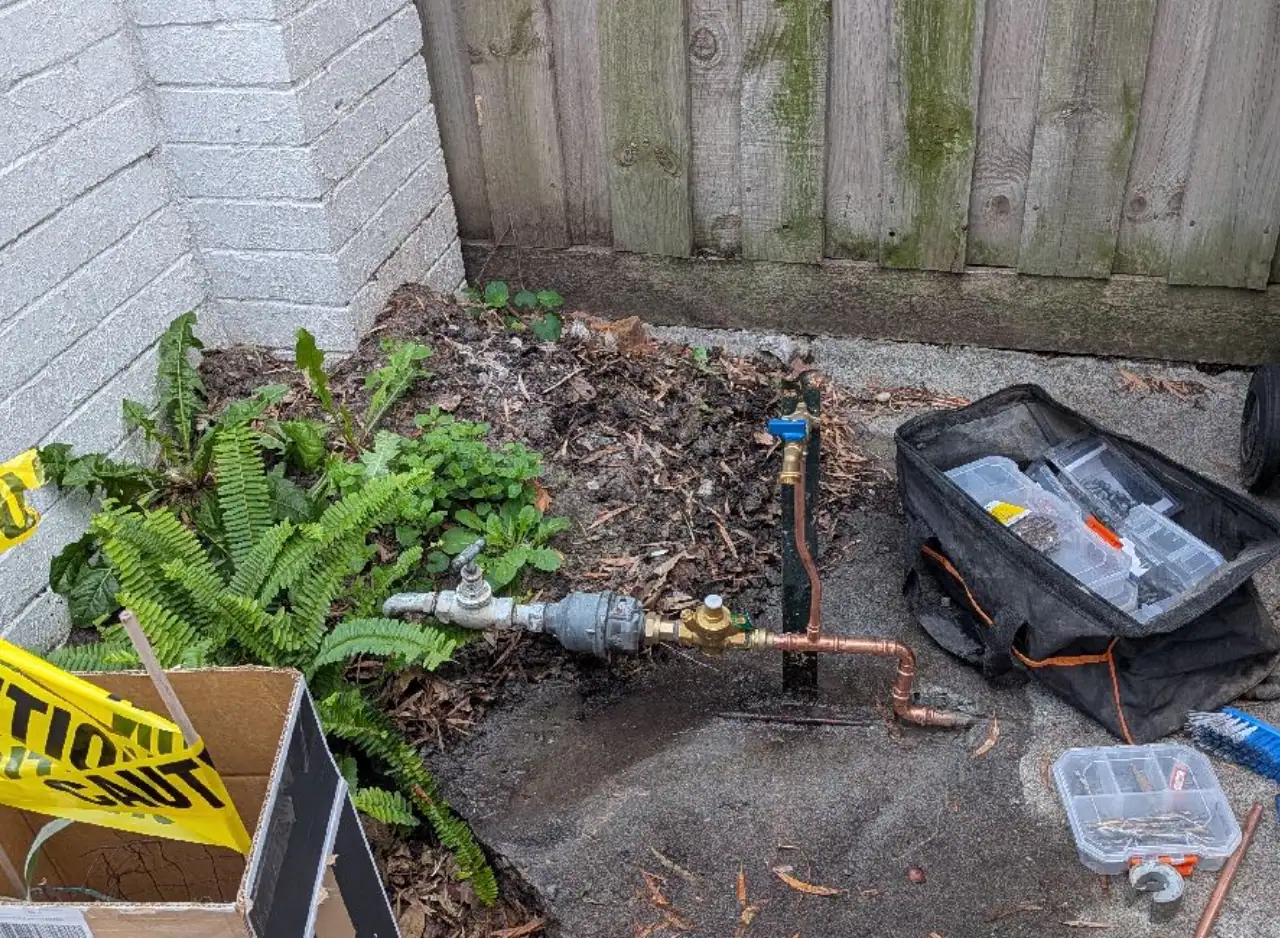
For the pressure concern, the selected control measure was the installation of a 20mm boundary pressure limiting valve rated to 500kPa, with the invoice wording stating the installation was to ensure maximum static pressure did not exceed 500kPa and was carried out in accordance with AS3500 Part 1.
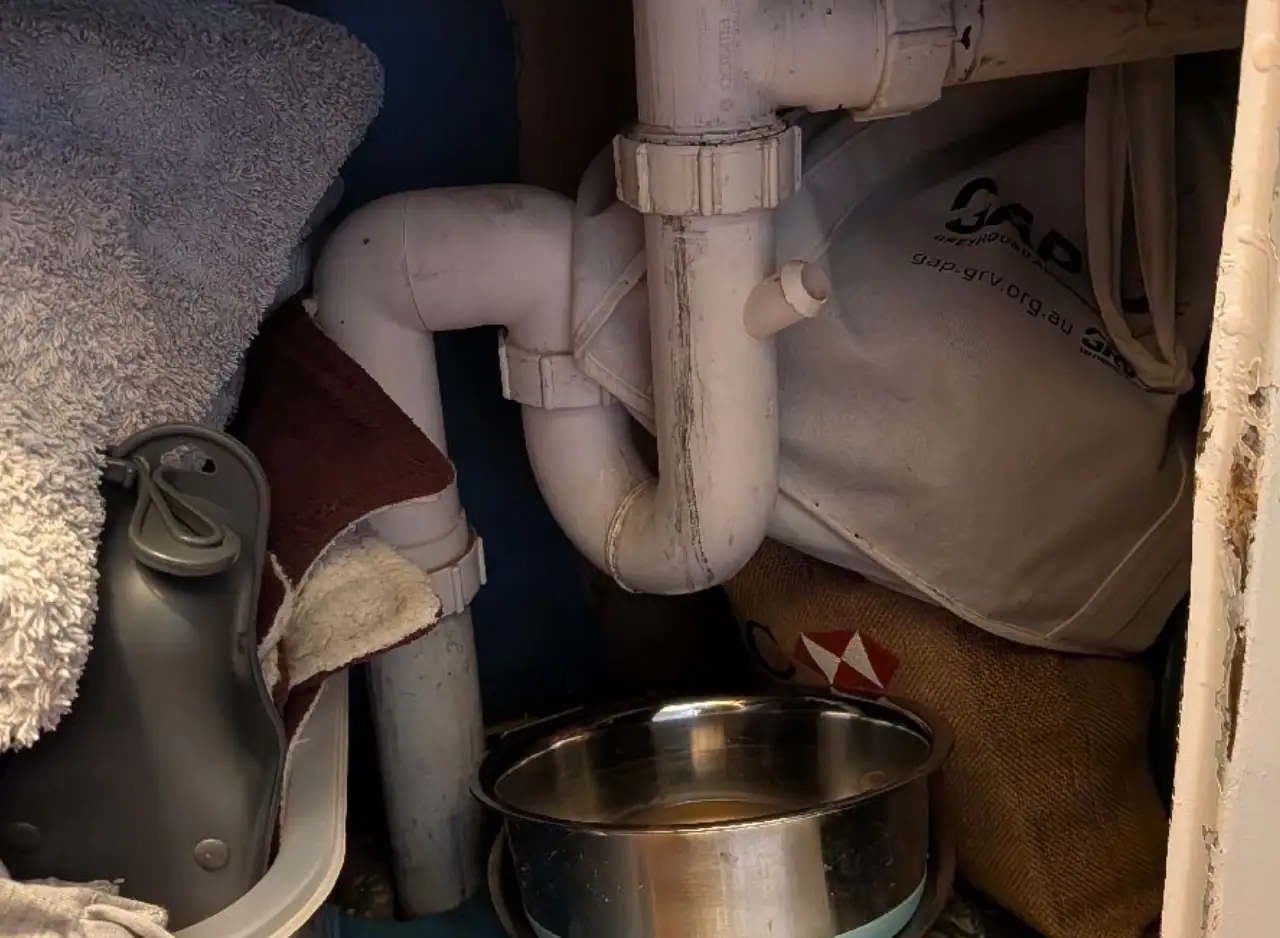
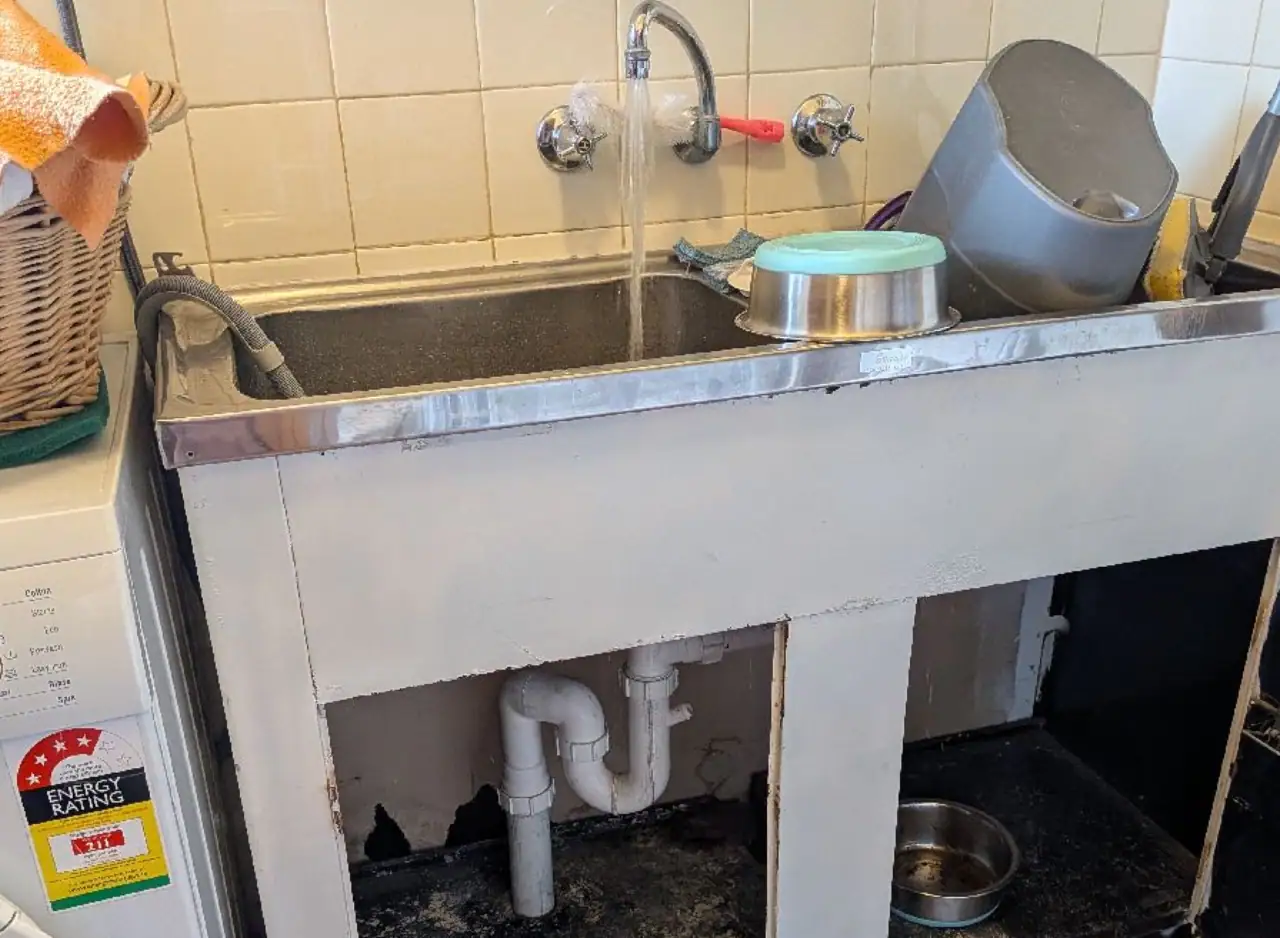
For the laundry sink, the existing trap was recorded as inadequate and needing replacement, while the work note records that washers on the trap were changed. Final job notes record no leaks after completion.
All work was completed in accordance with the Victorian Building Authority (VBA) regulatory framework.
Solutions delivered
The completed works combined replacement, control, and rectification across the affected plumbing fixtures. Two standard plastic toilet cisterns were supplied and fitted to address the running toilet issue recorded in the job context. The documented installation sequence included isolating the water supply, removing existing cisterns, installing new units, restoring the supply, and leak-checking after completion.
To address the pressure concern, a 20mm boundary pressure limiting valve was supplied and installed. The selected valve specification was tied to a 500kPa maximum static pressure threshold, matching the invoice wording and the AS3500 Part 1 reference recorded against that item. Additional rectification was carried out at the laundry sink, where the trap washers were replaced and the relevant components were cleaned and greased. Clean-up was completed, and toilet seats that were not requested for installation were left with the client.
Tools, Parts & Systems Used
- 2 standard plastic toilet cisterns
- 20mm boundary pressure limiting valve
- Trap washers; toilet, water supply, and laundry trap systems
Outcome & Results
The job record states the work went well, the cistern installations went easily, and no leaks were present after completion. Clean-up and triple-check records were marked complete. No remaining issues were explicitly recorded. The customer did not proceed with toilet seat installation, so the new seats were left on-site after the rest of the plumbing work was completed.
All work was carried out in accordance with relevant Australian Standards and safety requirements.
Repair vs Replacement
In a job of this type, replacement is appropriate where the recorded scope already centres on complete cistern changeover rather than isolated adjustment of internal components. That approach creates a clear reset point for the toilet assemblies and allows the restored system to be checked for leaks after installation. Pressure issues at the property boundary are more appropriately addressed through pressure-control hardware, with the selected outcome being to limit the maximum static pressure to 500kPa, in accordance with the documented AS3500 Part 1 requirement. For laundry waste issues, the recorded remedy may involve washer replacement or broader trap rectification, depending on whether the existing trap remains adequate.