
Washing Machine Disconnection Completed in Hawthorn
Completed Job Summary
A washing machine disconnection was completed during a residential plumbing service call in Hawthorn prior to the delivery of a replacement unit. Existing appliance isolated and disconnected, with connection points prepared for immediate installation of the incoming system.
14 April 2026
 Will
Will
Plumber
81499
This job record is derived from first-party technician notes and the Simpro job management.
Customer report
The customer required the existing washing machine to be disconnected before the delivery and installation of a replacement unit scheduled for later that day. The installation provider required the existing appliance to be fully disconnected before proceeding. The work was arranged to align with the delivery timing, ensuring access to the laundry connection points and readiness for immediate installation upon arrival of the new system.
Diagnosis & Technical Assessment
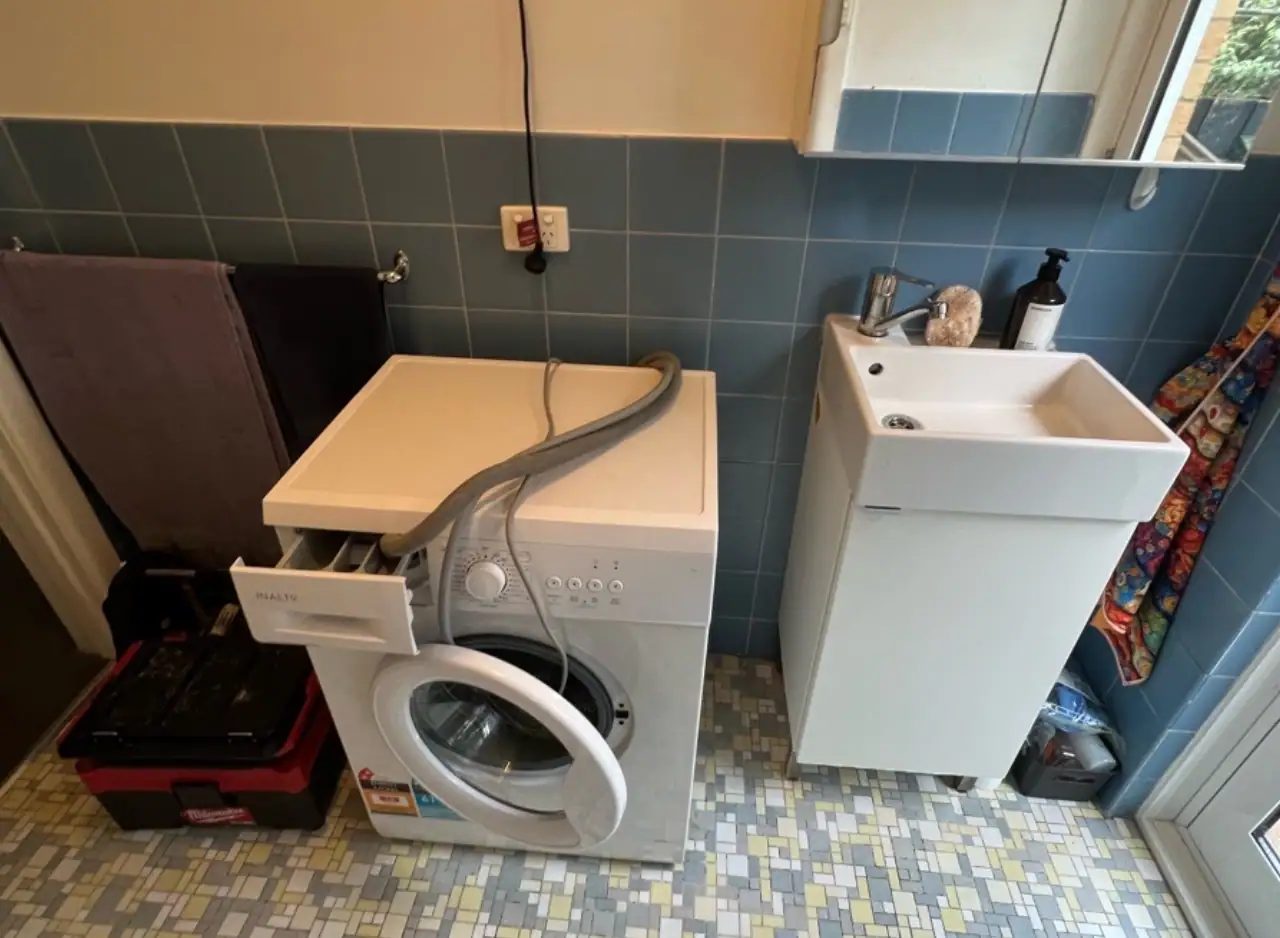
Assessment of the laundry connection confirmed that the washing machine was connected to the existing water supply and waste outlet system. The configuration allowed for direct access to both inlet and discharge points without requiring modification to the surrounding pipework.
Isolation of the appliance was required to safely disengage the system before installing the replacement unit. Visual inspection confirmed that the connection points were accessible and suitable for disconnection without disruption to adjacent plumbing fixtures. The system layout supported a standard washing machine configuration, enabling straightforward isolation and disconnection procedures.
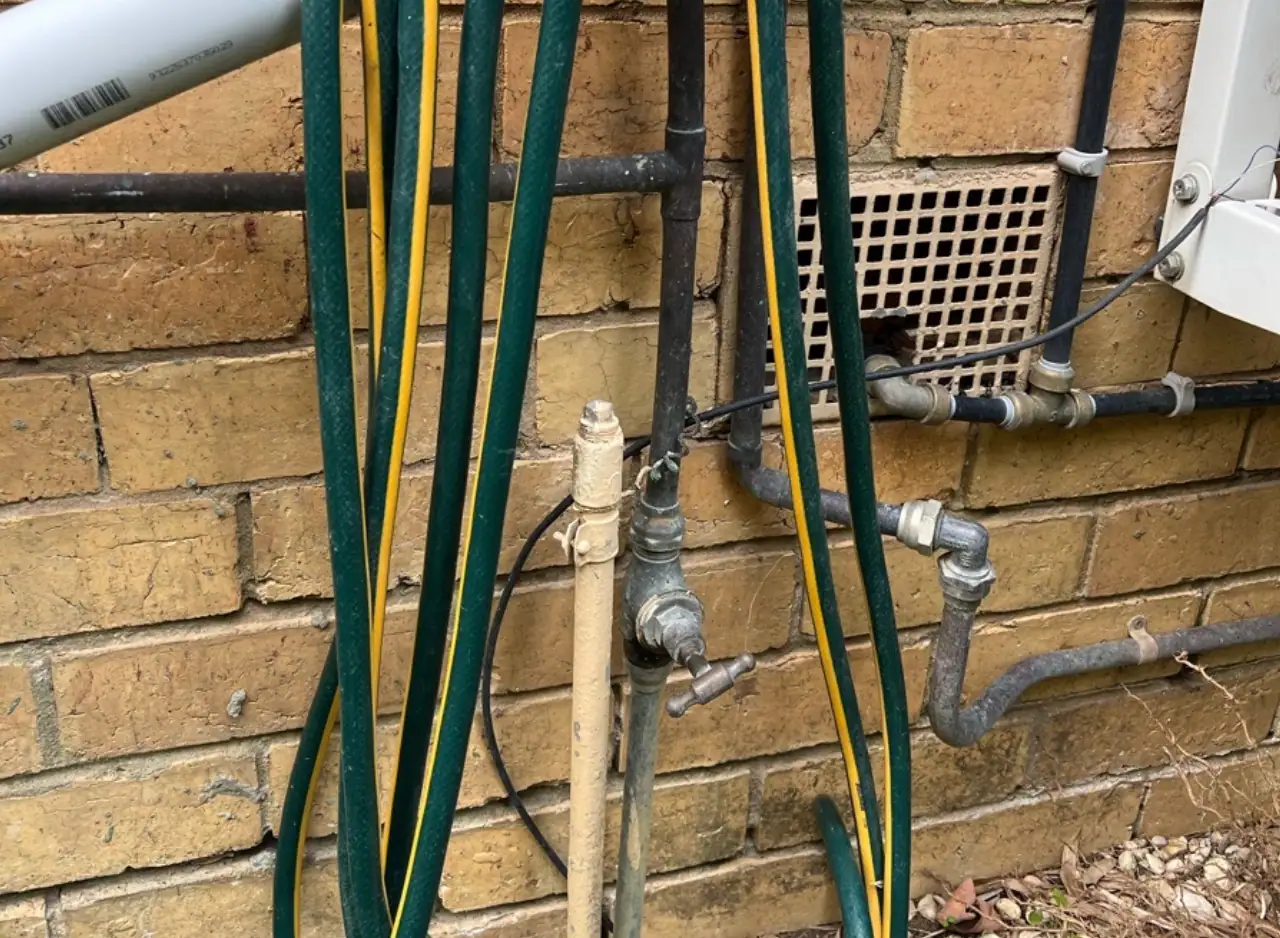
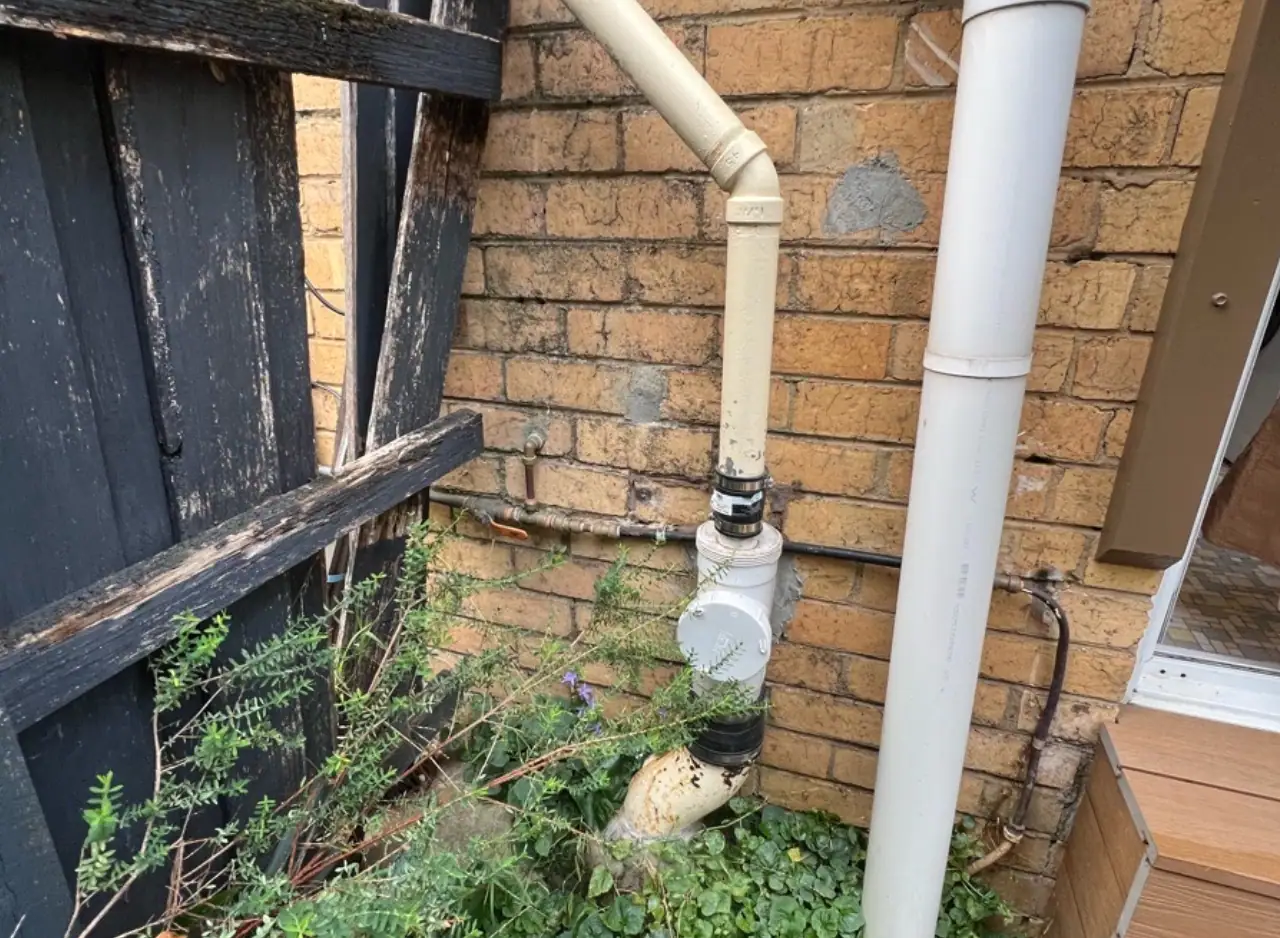
During the site visit, additional observations were made regarding existing plumbing infrastructure, including an older instantaneous hot water unit and exposed external PEX pipework. These elements were noted as part of the broader system condition observed at the property during the assessment phase.
All work was completed in accordance with the Victorian Building Authority (VBA) regulatory framework.
Solutions delivered
The washing machine was isolated and disconnected from both the water supply and waste connection to meet installation requirements for the incoming appliance. Disconnection was completed at the existing connection points, ensuring all interfaces were safely disengaged while maintaining the integrity of the surrounding plumbing system.
The approach followed a disconnection-only scope, with the removal of the appliance scheduled to be completed by the installation provider responsible for the new unit. This ensured alignment with the installation process and avoided unnecessary handling of the appliance.
Connection points were left accessible and in a condition suitable for immediate reuse, allowing the replacement washing machine to be installed without additional preparation. The completed work ensured that installation could proceed as scheduled upon delivery of the new appliance.
Tools, Parts & Systems Used
- Washing machine plumbing connection
Outcome & Results
The washing machine was successfully disconnected, enabling the scheduled installation of the replacement unit to proceed without delay. The existing appliance remained in place for removal by the installation provider.
Connection points were left accessible and ready for immediate use, supporting a seamless transition to the new system. The service ensured alignment with the installation schedule and removed any dependency that could delay completion of the appliance replacement.
All work was carried out in accordance with relevant Australian Standards and safety requirements.
Repair vs Replacement
When an appliance is scheduled for replacement, disconnecting the existing unit is typically required to enable installation. Isolating the appliance ensures that water supply and waste connections can be safely disengaged without affecting other fixtures.
Where replacement is confirmed, disconnection prepares the site for installation by leaving connection points accessible and ready for reuse. In contrast, where an appliance remains in service, repair or reconnection may be undertaken depending on the condition of the existing connections and system performance.