
Washing Machine Installation and Leak Repair Completed in Prahran
Completed Job Summary
Washing machine installation and associated plumbing faults were addressed during a residential service in Prahran. Connection issues, a leaking laundry stop, and fixture adjustments were identified, resolved, and tested following installation.
13 April 2026
 Will
Will
Plumber
81490
This job record is derived from first-party technician notes and the Simpro job management.
Customer report
The customer had recently moved into the property and required the installation of a supplied washing machine. Additional concerns included checking water pressure and addressing showerhead issues. The installation area presented connection challenges, including limited access to the water meter and issues with the existing laundry plumbing connections. The customer provided images prior to attendance and remained present during the job while installation and adjustments were carried out.
Diagnosis & Technical Assessment
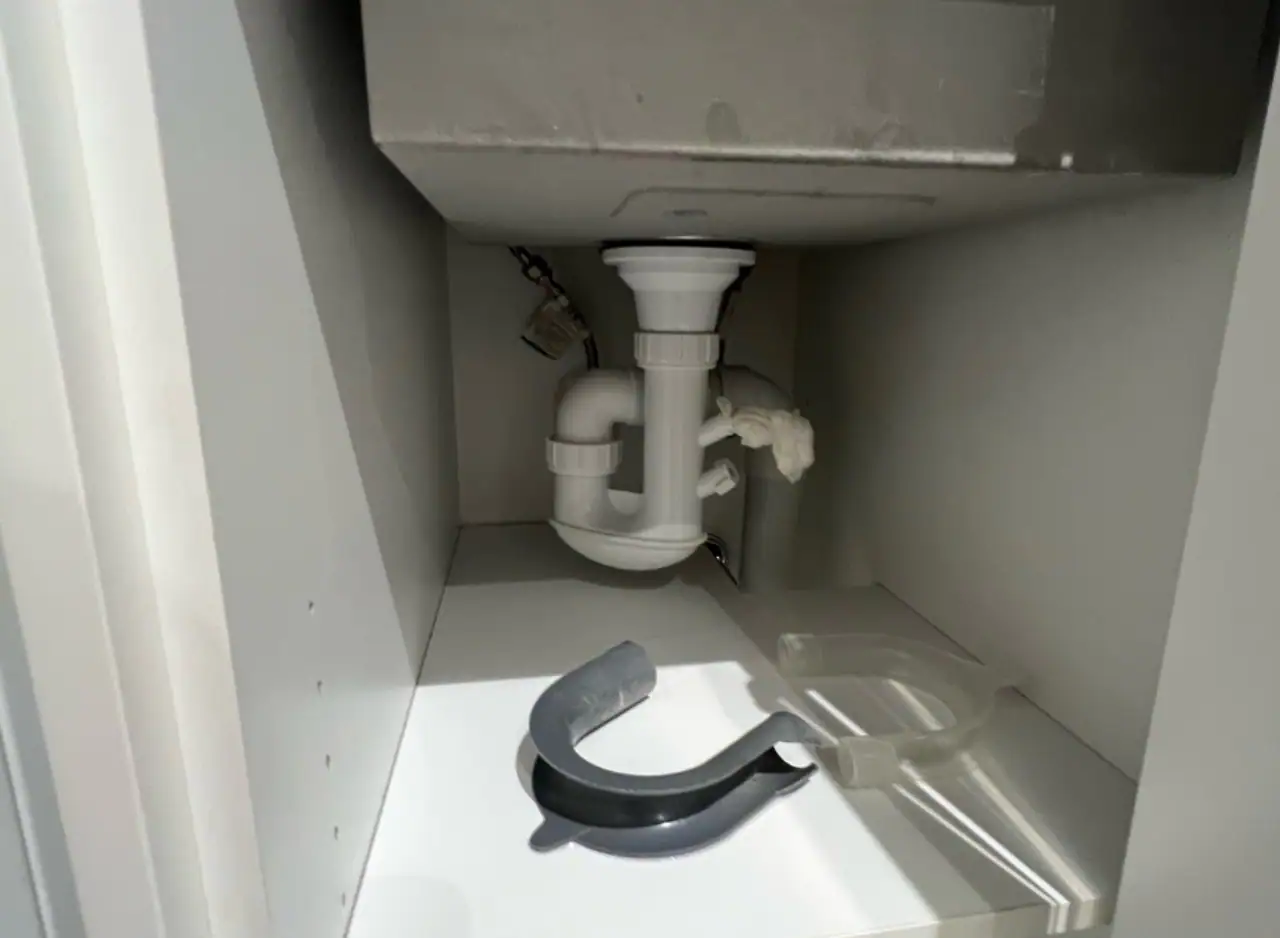
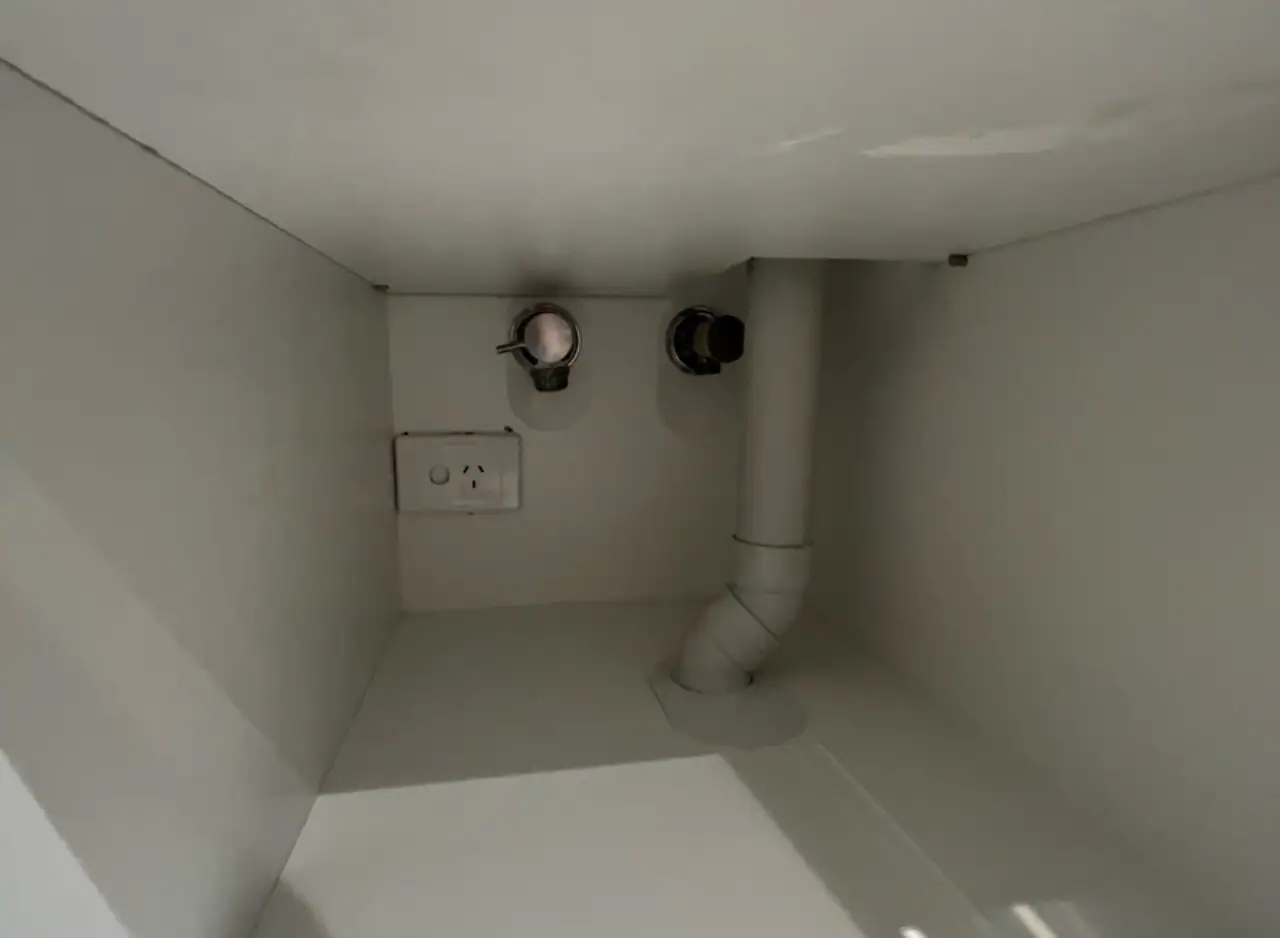
Initial review of client-provided images informed preparation for installation. On-site, access to the water meter was restricted by a locked door, though hot and recycled water lines were accessible. Inspection identified that the recycled water line was not connected to the laundry stop, limiting available connection options.
During installation setup, the inlet hose supplied with the washing machine was found to be approximately 50 mm too short to reach the available connection point. The washing machine stop was also observed to be excessively tight, creating a risk of damage if forced further.
A temporary connection arrangement was assembled to enable testing. Upon activating the system, a leak was identified at the laundry stop spindle. This fault required immediate attention before confirming installation integrity. The spindle leak was isolated as the source of water loss during testing.
These observations informed both the connection solution and subsequent repair work required to complete the installation safely and achieve a functional outcome.
All work was completed in accordance with the Victorian Building Authority (VBA) regulatory framework.
Solutions delivered
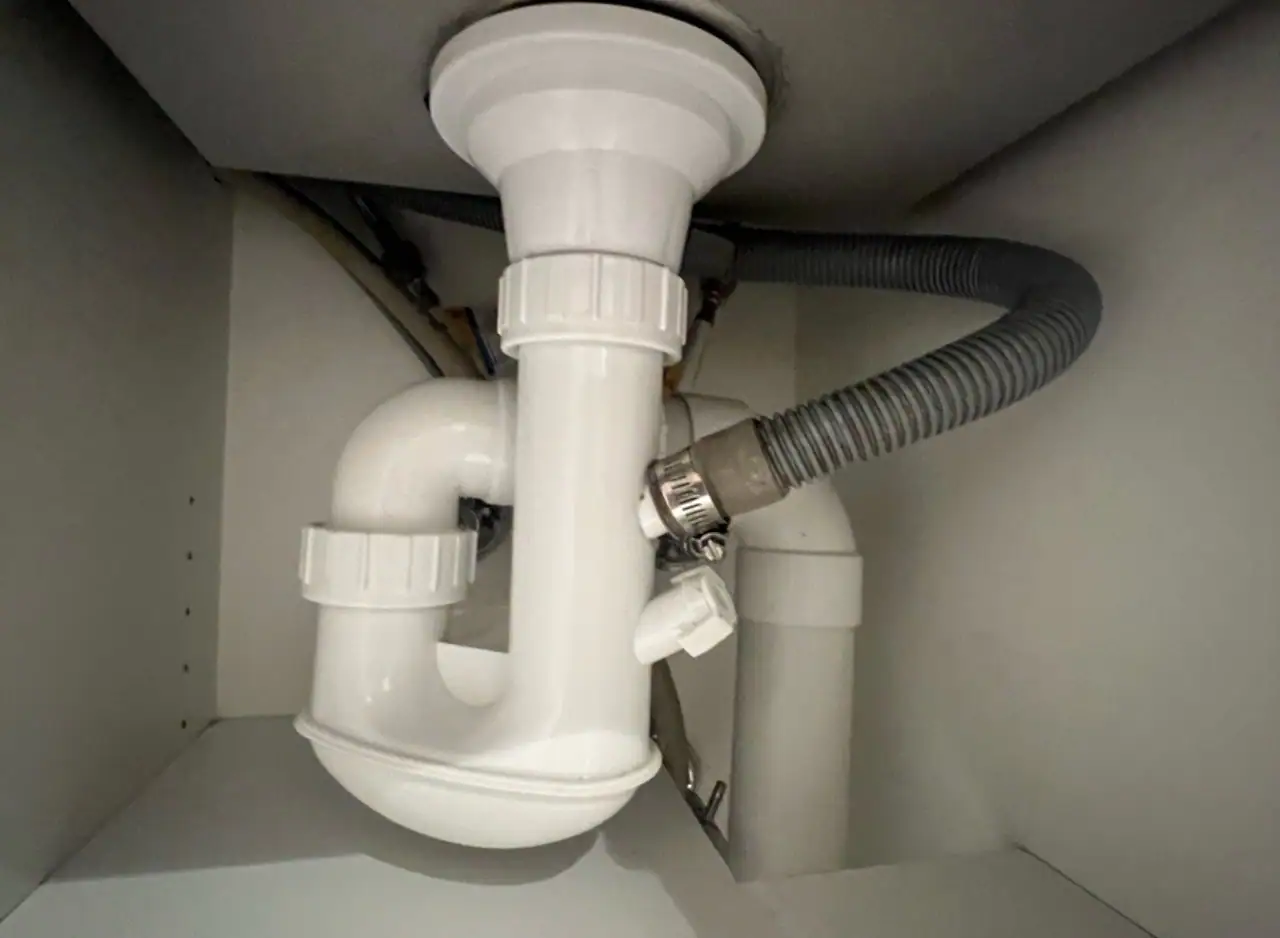
A connection adjustment was implemented using a brass fitting configuration to bridge the shortfall in inlet hose length and enable a stable connection between the washing machine and the available water supply. This approach allowed installation to proceed without modification to the supplied appliance.
Following initial testing, the leaking laundry stop spindle was repaired to eliminate water loss and restore integrity to the connection point. The repair was completed before re-testing to confirm system performance under normal operating conditions.
The washing machine installation was then fully tested, confirming correct operation and water flow. In addition to the laundry work, the showerhead fixture was tightened to address the customer’s secondary request.
The selected approach focused on resolving connection constraints and repairing existing plumbing faults to achieve a functional, tested installation without introducing unnecessary system changes.
Tools, Parts & Systems Used
- Brass fitting configuration
- Washing machine connection hose
- Laundry stop spindle
Outcome & Results
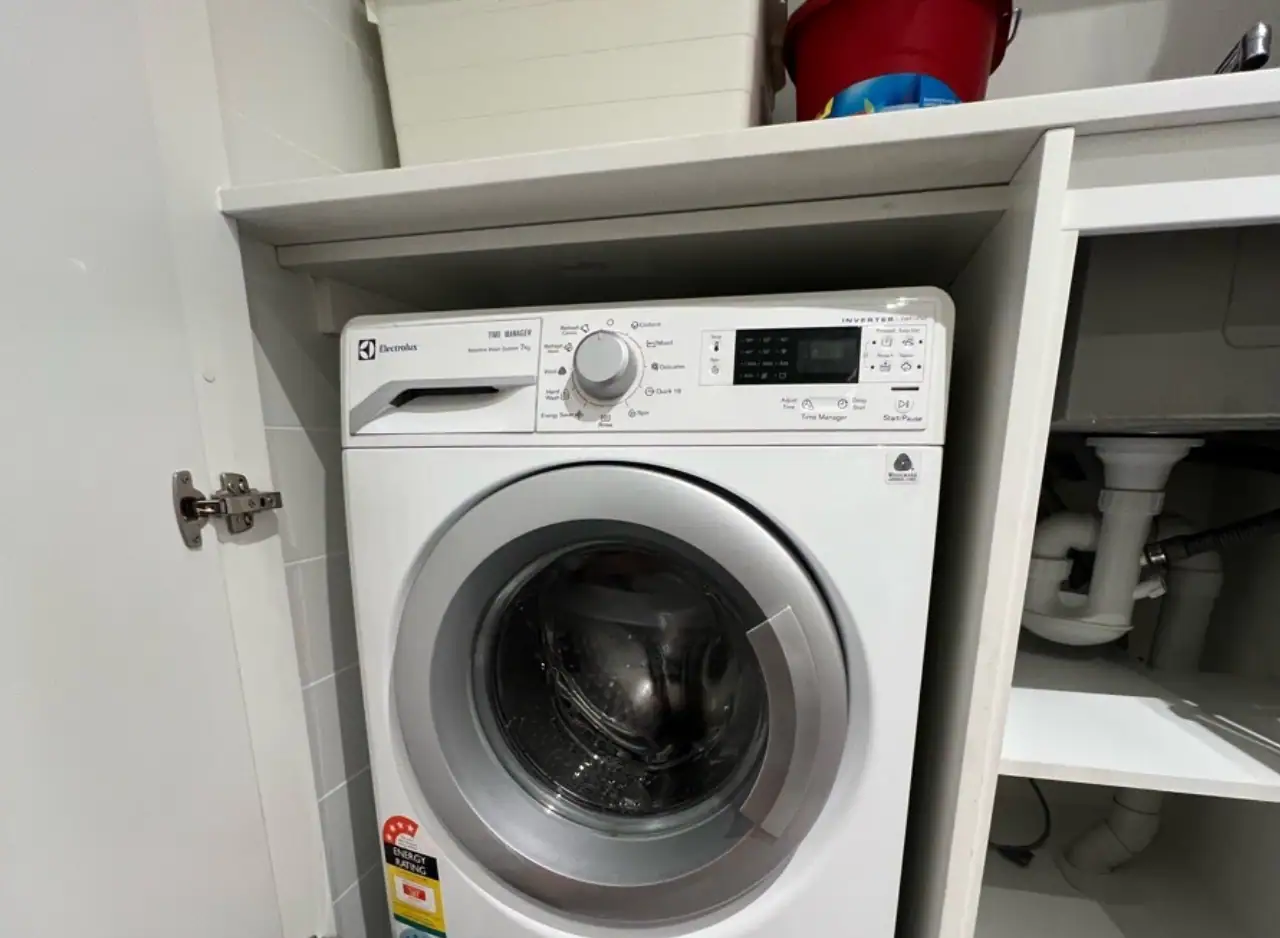
The washing machine installation was completed and tested, confirming correct operation following connection adjustments. The leaking spindle at the laundry stop was repaired and verified during testing, eliminating the identified leak. The showerhead fixture was secured as part of the service.
All completed work was checked, and the system operated as intended at the time of completion. Clean-up was completed following the works.
All work was carried out in accordance with relevant Australian Standards and safety requirements.
Repair vs Replacement
When connection constraints or component faults are identified during appliance installation, repair, or adjustment, repair is often sufficient if the existing system remains functional. In this case, connection limitations were resolved through a fitting adjustment rather than replacing the appliance or modifying the supply infrastructure.
Component-level faults, such as a leaking spindle, can typically be repaired when isolated to a specific mechanism. Replacement is generally considered where damage extends beyond repairable parts or where system reliability cannot be restored through targeted fixes.