
Water Hammer Issue Resolved in Toorak Residence
Completed Job Summary
A residential plumbing service was completed in Toorak following reports of low water pressure and water hammer in the kitchen plumbing system. Assessment identified seized tap fittings and leakage through a fibre washer, leading to the replacement of the existing wall taps and testing of the completed installation.
21 May 2026
 Jarryd
Plumber
81684
This job record is derived from first-party technician notes and the Simpro job management.
Customer report
The occupant reported concerns about water pressure and water hammer in the kitchen plumbing system. The service request included an assessment of the reported noise and an investigation of the existing tap fittings. Client-provided images were referenced during booking, and the appointment was scheduled to assess the condition of the affected fittings and determine an appropriate course of action.
Diagnosis & Technical Assessment
The plumbing assessment focused on the reported water hammer and pressure concerns affecting the kitchen fixtures. During inspection, jumper valve noise was assessed, and the condition of the existing tap assembly was examined.
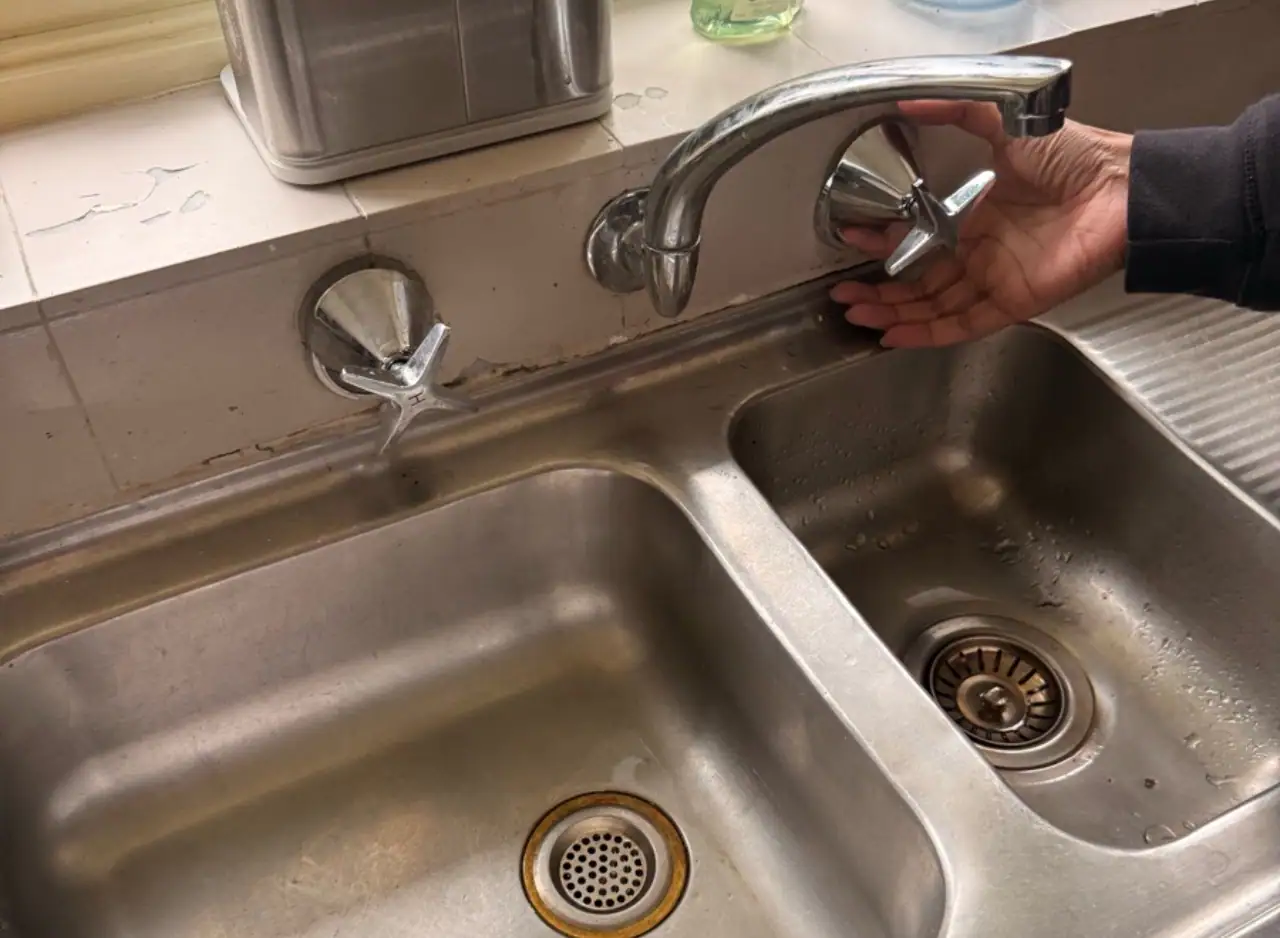
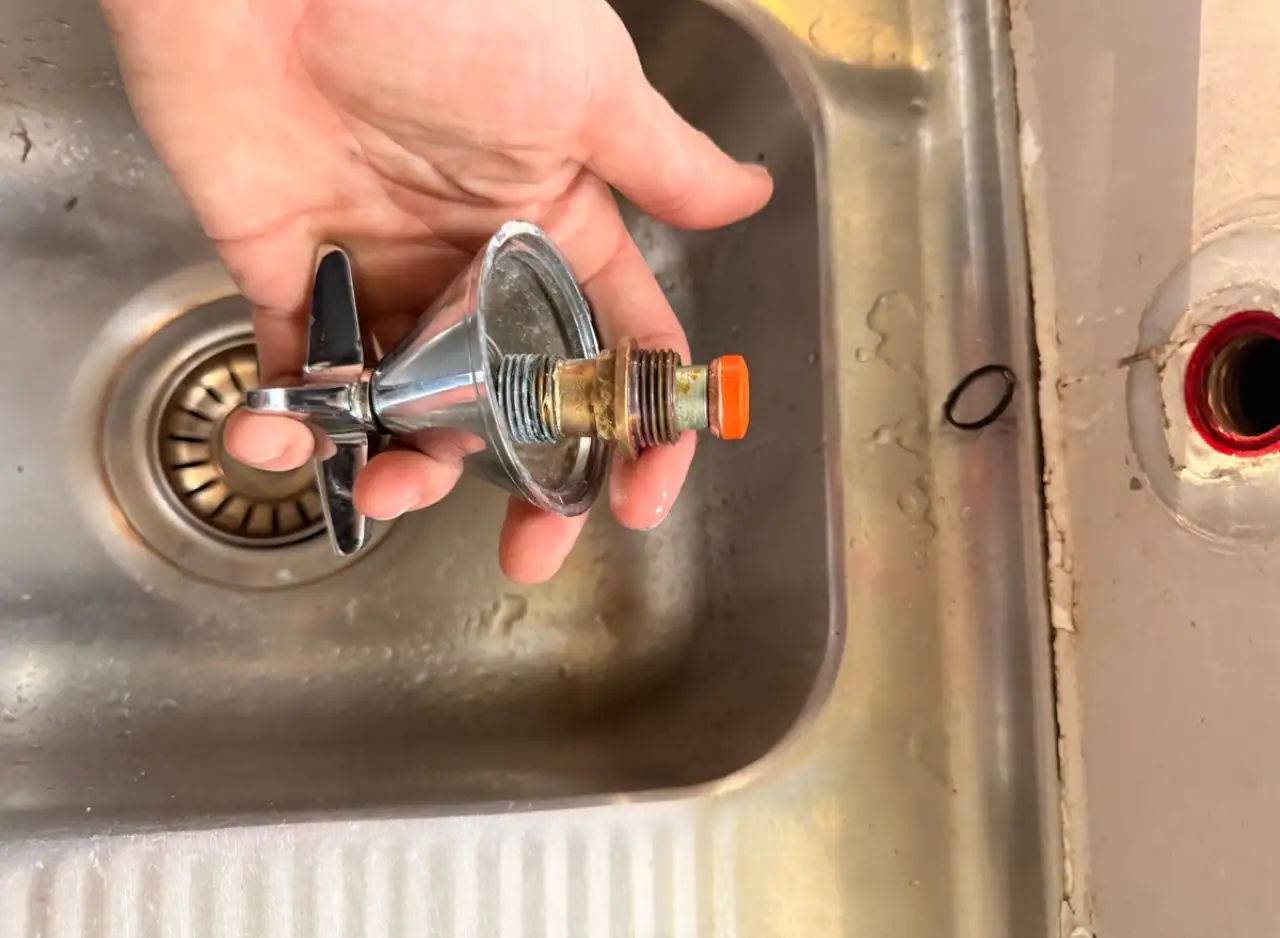
Inspection identified that the existing taps and associated breech fittings were in poor condition. The original repair approach was to replace the tap washers; however, further investigation revealed that the tap fittings were seized. Leakage was also observed through a fibre washer during the assessment process.
The condition of the existing fittings indicated that a washer-only repair would not provide a reliable outcome. The invoice documentation noted that the age and wear of the tap and breech assembly reduced the suitability of washer replacement as a long-term solution.
Following identification of the seized components and leakage pathway, replacement of the affected tap set was determined to be the practical method for restoring operation. Testing was completed after installation to verify the new fittings’ operation.
All work was completed in accordance with the Victorian Building Authority (VBA) regulatory framework.
Solutions delivered
Initial options presented included replacement taps or a broader restoration of the existing fittings. The customer initially elected to proceed with a washer replacement approach.
During the repair process, the condition of the existing tap assembly changed the scope of the work. The taps were found to be seized, and leakage through the fibre washer was observed. Due to these conditions, replacing the existing tap set was the only workable solution available on site.
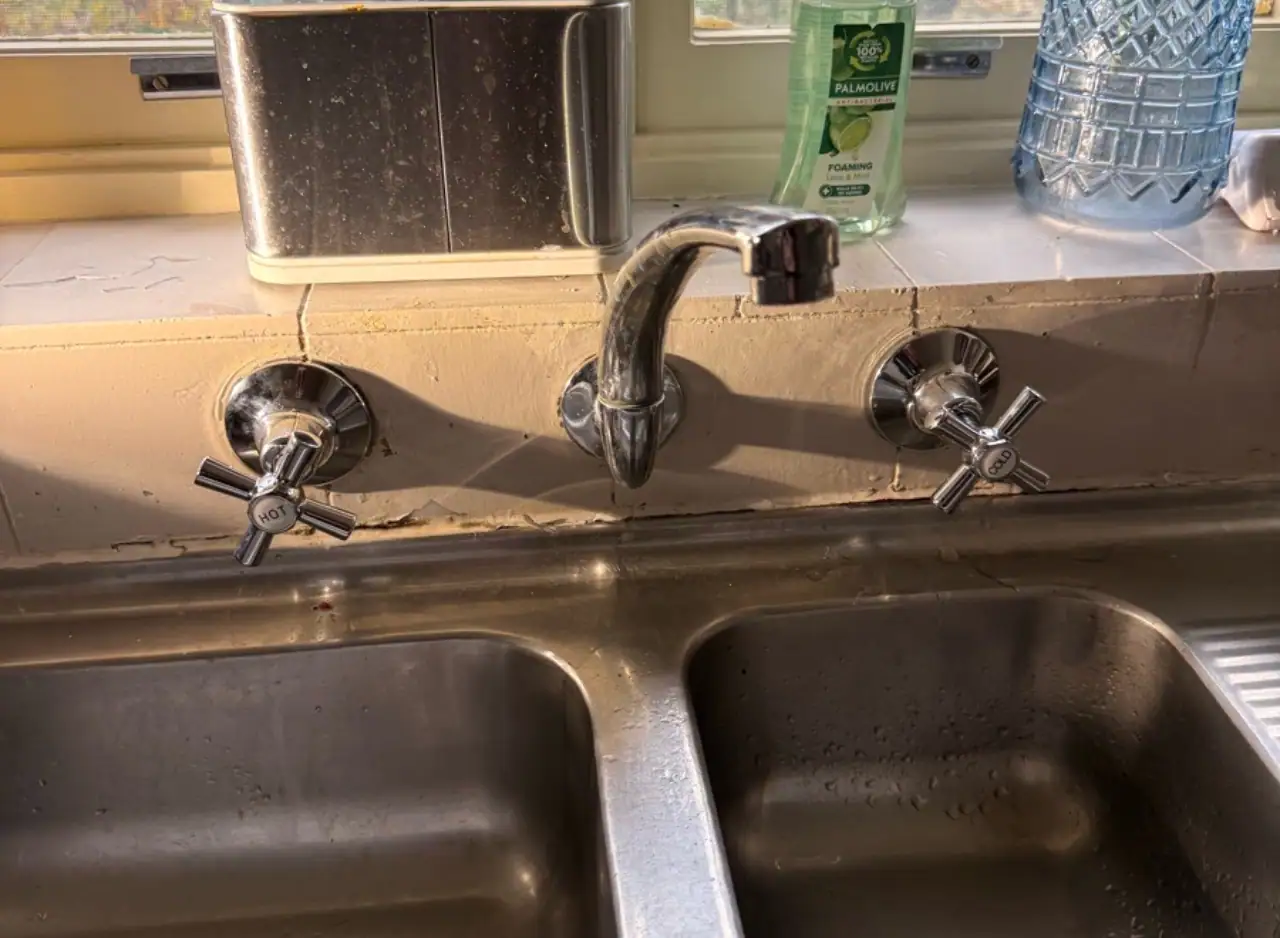
The completed works included the supply and installation of a new set of wall taps to replace the existing fittings. Replacement addressed the seized components and removed the leaking fibre washer from service.
Following installation, the system was tested to confirm operation of the newly installed taps. The completed solution aligned with the condition of the existing fittings and addressed the issues identified during assessment.
Tools, Parts & Systems Used
- Wall taps
- Tap fittings
- Breech fittings
- Fibre washer
- Jumper valve
Outcome & Results
The original tap assembly was removed and replaced with a new set of wall taps. The seized fittings and leaking fibre washer identified during assessment were eliminated as part of the completed works.
Testing was carried out following installation, and the replacement work was completed during the service visit. The completed outcome restored the operation of the tap assembly using new fittings suited to the condition of the existing plumbing infrastructure.
All work was carried out in accordance with relevant Australian Standards and safety requirements.
Repair vs Replacement
This job demonstrates a common decision point between repairing existing tap components and replacing the complete fitting assembly. Washer replacement can be suitable where fittings remain serviceable and operational.
In this case, the assessment identified seized taps and leakage through a fibre washer. Once the condition of the fittings was confirmed, replacement was the practical option, as the existing components could not be reliably restored through a washer-only repair.
When wear, seizure, or deterioration affects multiple parts of a tap assembly, replacement may provide a more appropriate outcome than isolated component repairs.