
Sewer Flow Restored Following Blockage in Flemington
Completed Job Summary
An emergency plumbing attendance was completed at a property in Flemington after wastewater overflow occurred when the toilet was flushed, indicating a blocked sewer line. High-pressure water jetting restored flow, followed by a CCTV inspection that identified root intrusion, cracking within the boundary shaft, and silt accumulation, all of which require future renewal consideration.
20 June 2026
 Will
Will
Plumber
81838
This job record is derived from first-party technician notes and the Simpro job management.
Customer report
The customer requested emergency plumbing assistance after a wastewater overflow occurred whenever the toilet was flushed. The reported symptoms indicated a blocked sewer line affecting normal drainage. The service call focused on restoring wastewater flow and determining the underlying cause of the blockage to identify any longer-term issues within the drainage system.
Diagnosis & Technical Assessment
The drainage system was initially assessed through a visual inspection before blockage removal commenced. High-pressure water jetting using a standard jetting nozzle successfully cleared the obstruction and restored normal wastewater flow through the sewer line.
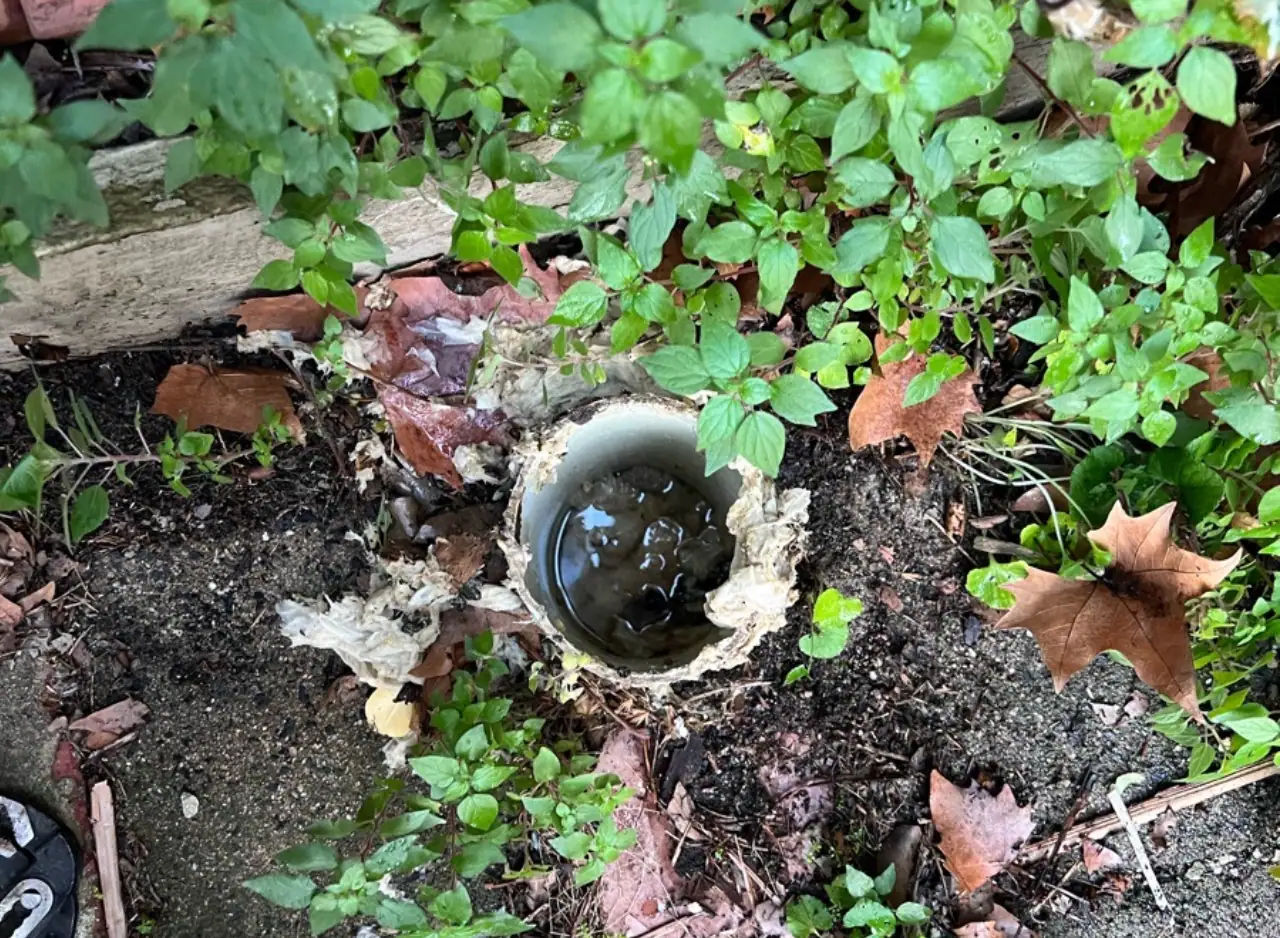
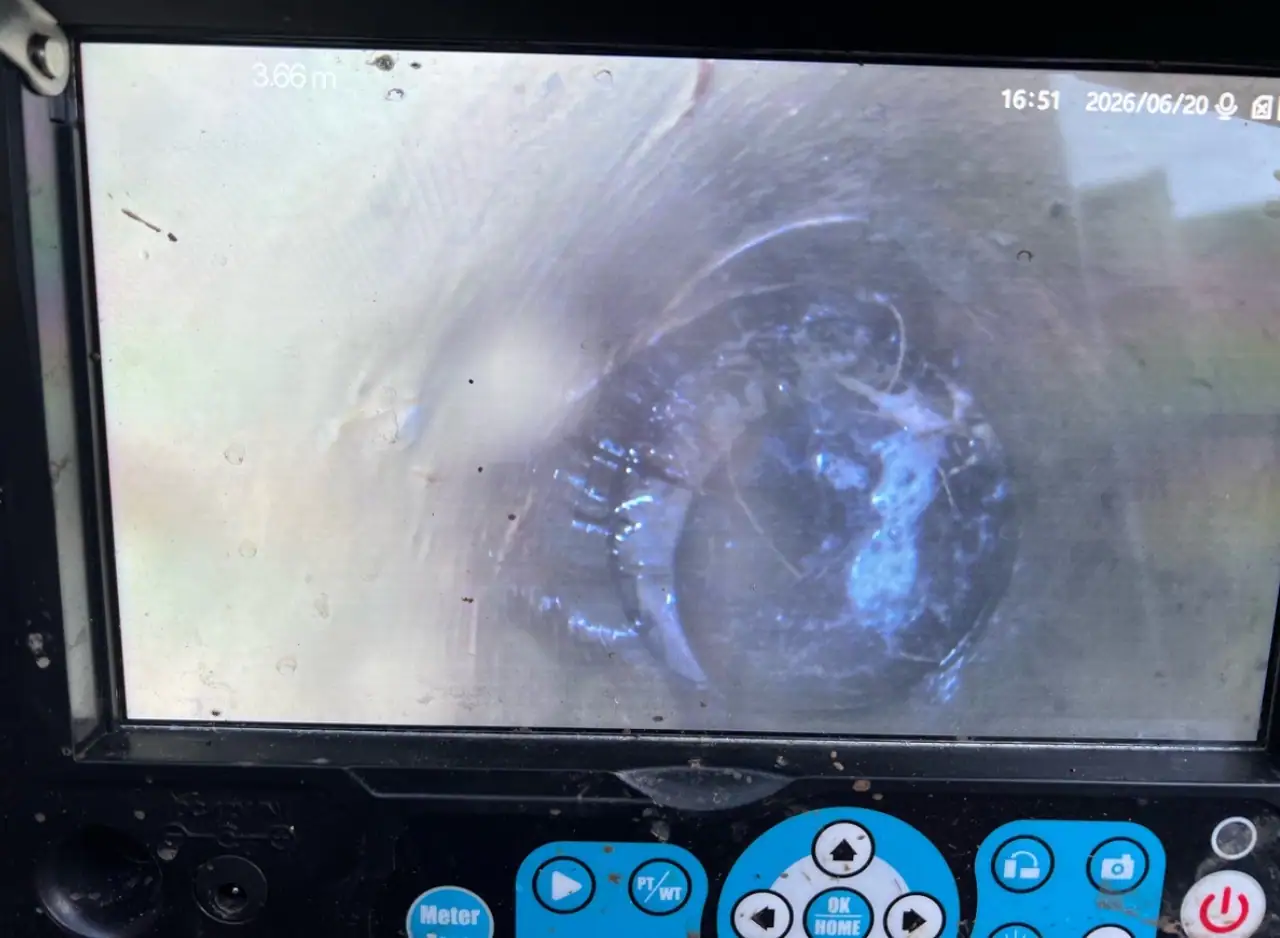
Following restoration of flow, a CCTV drain inspection was carried out to assess the condition of the pipework and determine the cause of the blockage. The inspection identified significant root intrusion within the sewer line, together with two major cracks in the boundary shaft. Silt accumulation was also observed within the boundary shaft, indicating deterioration beyond the immediate blockage.
After the obstruction had been removed, water was confirmed to be flowing normally through the drainage system. The inspection findings established that the blockage was associated with root intrusion entering through the damaged boundary shaft, with the existing cracks providing ongoing pathways for root growth. While the immediate blockage had been successfully cleared, the inspection confirmed underlying structural defects that were likely to allow future blockages to develop if the damaged boundary shaft remained in service.
All work was completed in accordance with the Victorian Building Authority (VBA) regulatory framework.
Solutions delivered
Emergency attendance was provided to investigate the blocked sewer and restore the drainage system’s operation. The blockage was removed using a high-pressure water jetter fitted with a standard jetting head, allowing wastewater to flow normally again.
Once the obstruction had been cleared, a CCTV inspection of the sewer line was completed to determine whether any underlying defects remained within the system. The inspection confirmed root intrusion, two major cracks in the boundary shaft, and silt accumulation that had contributed to the drainage issue.
Based on these findings, the technician discussed the condition of the boundary shaft with the customer and advised that renewal of the damaged structure would likely be required to reduce the risk of recurring root intrusion. Preparation of a quotation for boundary shaft replacement was recommended following completion of the investigation.
Tools, Parts & Systems Used
- High-pressure water jetter
- Standard jetting nozzle
- CCTV drain inspection camera
- Main sewer line
- Boundary shaft
- Inspection opening (IO)
Outcome & Results
The sewer blockage was successfully cleared, and normal wastewater flow was restored. CCTV inspection completed after clearing identified significant root intrusion, two major cracks within the boundary shaft, and silt accumulation contributing to the drainage issue. Based on these findings, renewal of the boundary shaft was recommended as the most appropriate long-term solution to reduce the likelihood of recurring blockages.
All work was carried out in accordance with relevant Australian Standards and safety requirements.


Repair vs Replacement
Clearing a blocked sewer can restore drainage immediately, but follow-up inspection helps determine whether structural defects remain within the system. Where CCTV inspection identifies issues such as cracked pipework or boundary shafts, root intrusion, or significant deterioration, repairing the immediate blockage may not prevent future failures. In situations involving ongoing structural damage, replacement of the affected section may provide a more reliable long-term outcome than repeated blockage clearing. The appropriate approach depends on the condition identified during inspection.