
Boundary Trap Configuration Updated in Richmond
Completed Job Summary
A boundary trap modification was completed at a residential property in Richmond to improve backyard accessibility for vehicle parking. The original boundary trap riser was cut down, the vent was relocated to the fence line, a new inspection opening was installed, and the completed installation was tested before the area was backfilled and left serviceable.
4 June 2026
 Will
Will
Plumber
81752
This job record is derived from first-party technician notes and the Simpro job management.
Customer report
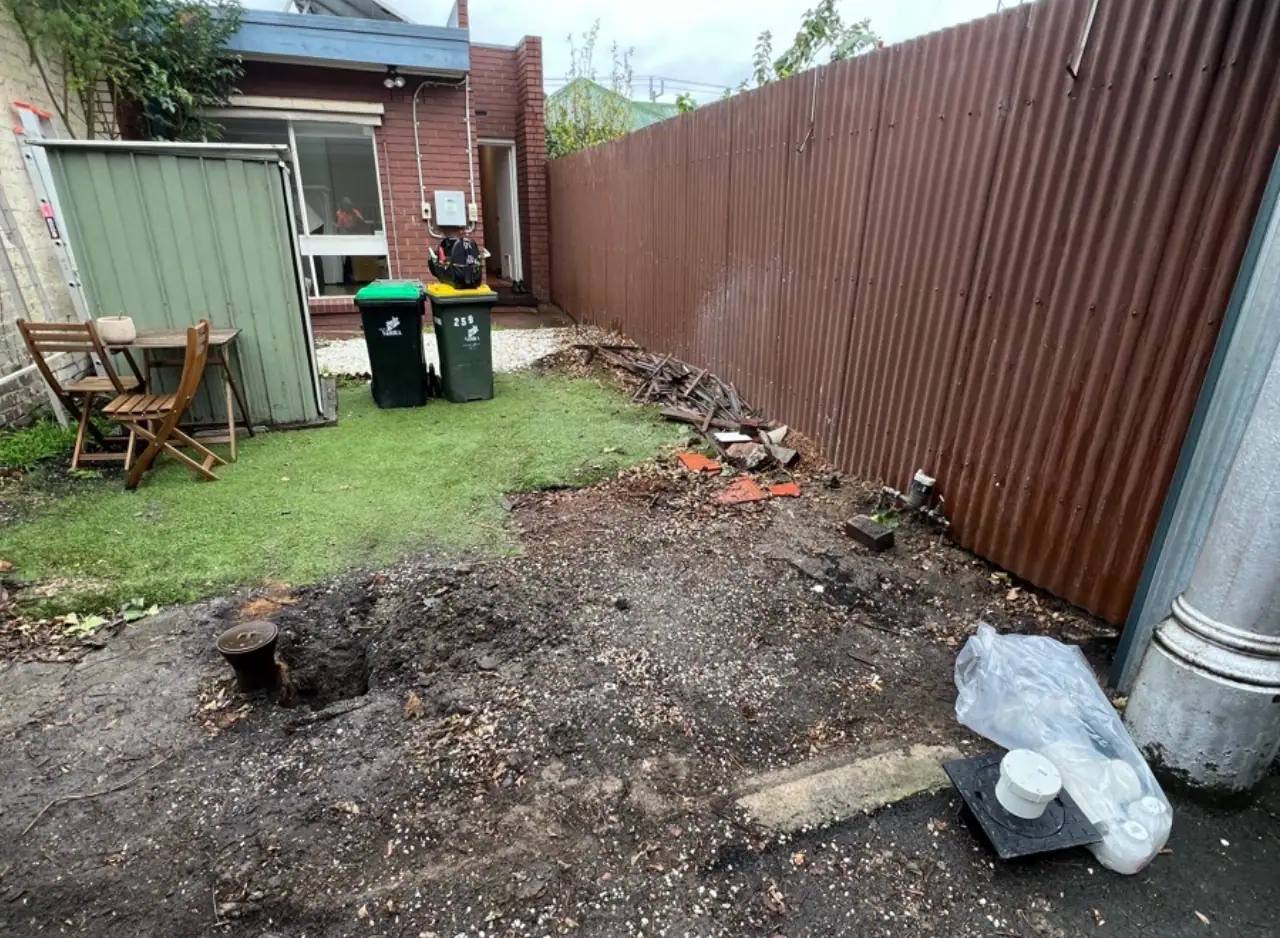
The customer requested a modification to an existing boundary trap in the middle of the backyard so the area could be used for vehicle parking. The requested work included lowering the boundary trap to ground level and relocating the vent to the side fence while maintaining future access to the drainage system through an inspection opening.
Diagnosis & Technical Assessment
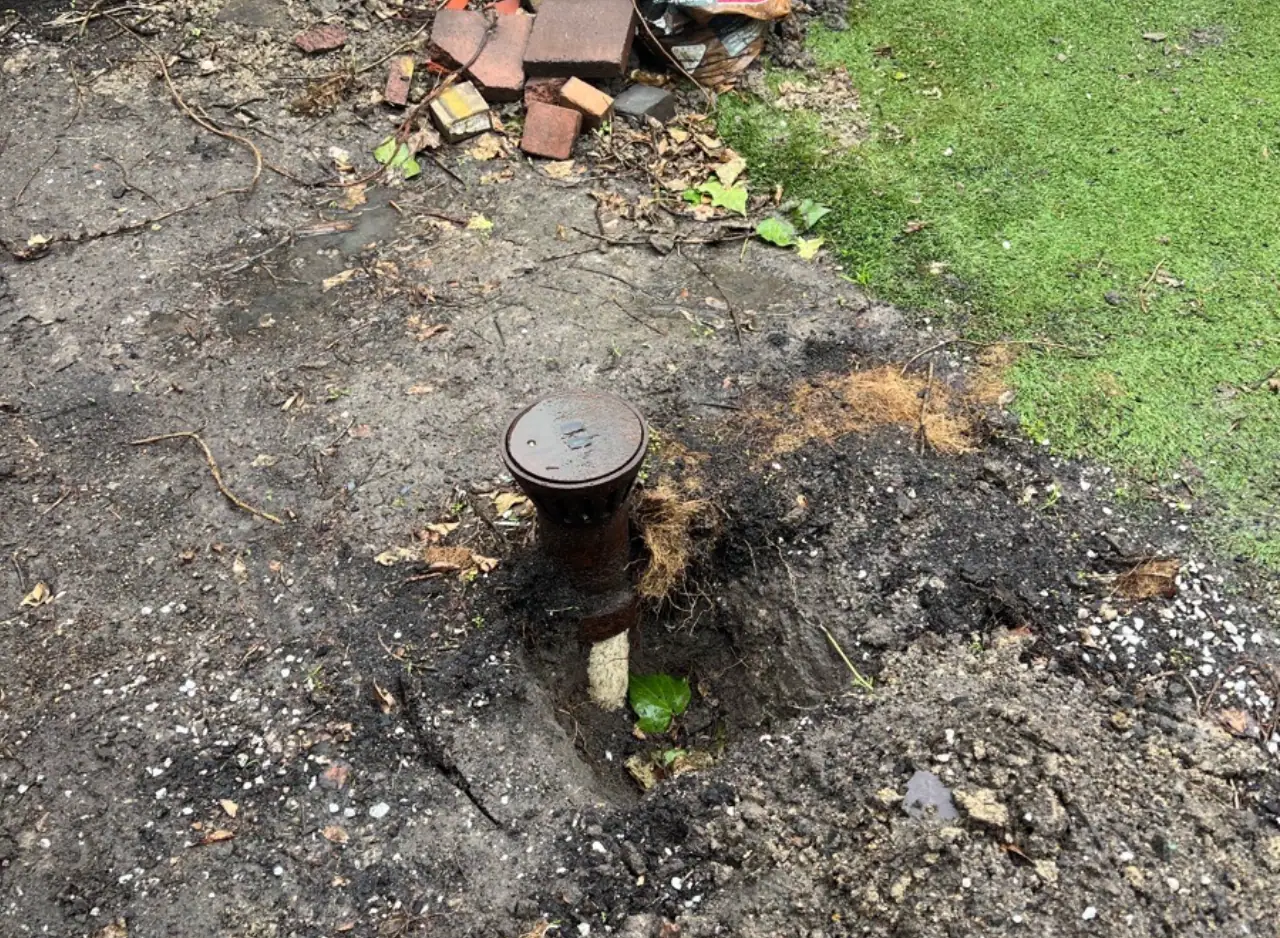
Site attendance was completed to assess the existing boundary trap and vent arrangement before modification works commenced. The boundary trap riser was positioned in the middle of the backyard, limiting practical use of the area for vehicle access and future paving. The planned modification required maintaining ongoing access for inspection and maintenance of the drainage system while repositioning the vent.
The existing boundary trap riser was found to require a height reduction before the vent could be relocated. The intended vent location was the fence line on the right-hand side of the property, allowing the central area of the backyard to remain unobstructed. The modification also required installation of a ground-level inspection opening to preserve future access for inspection and maintenance of the drainage system after the original vent arrangement had been altered.
Following completion of the installation, the modified system was tested to confirm that the completed configuration was operating as intended before reinstatement of the surrounding area.
All work was completed in accordance with the Victorian Building Authority (VBA) regulatory framework.
Solutions delivered
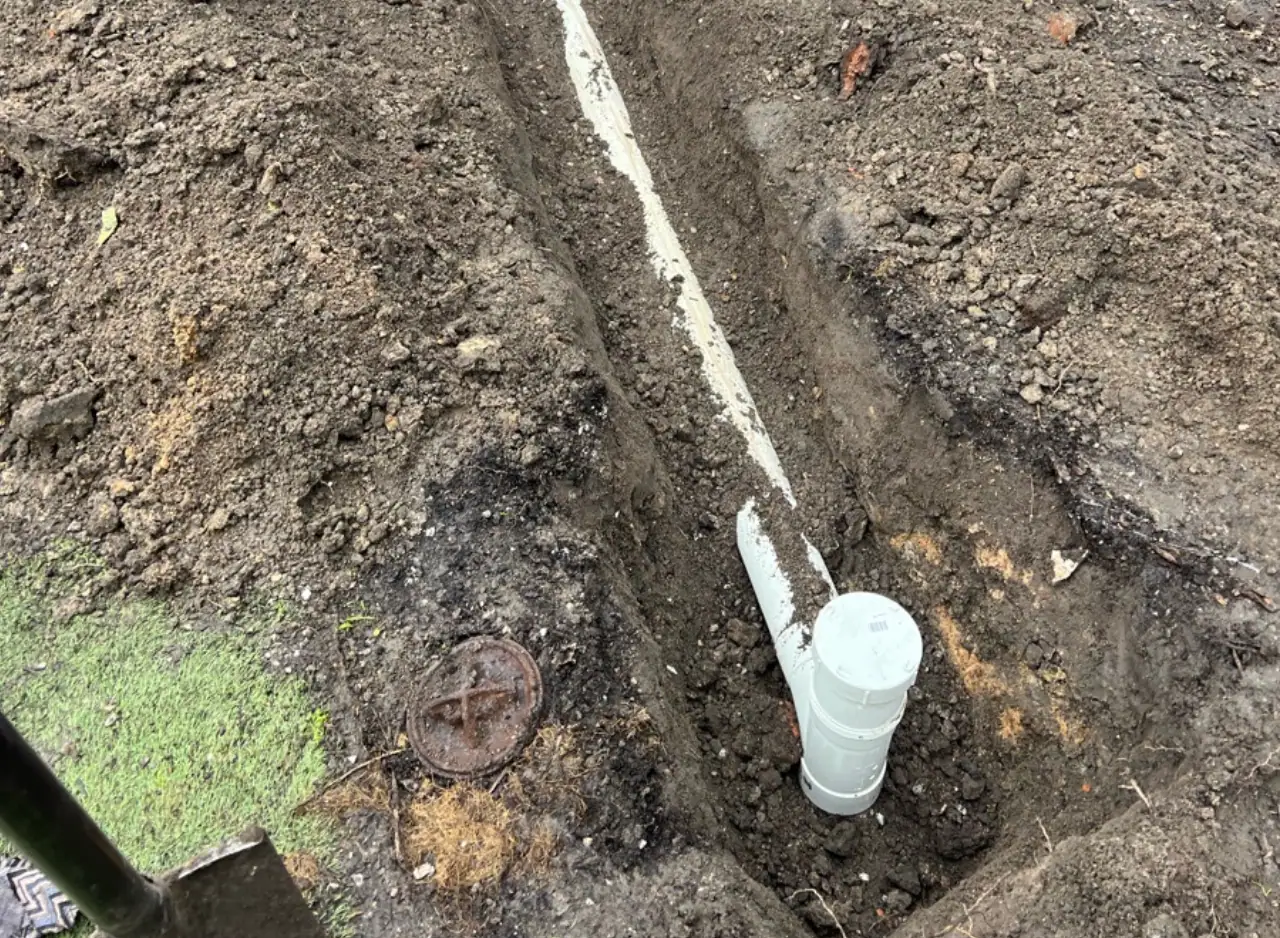
The existing boundary trap arrangement was modified to improve accessibility across the backyard while maintaining access to the property’s drainage system. The original boundary trap riser was cut down before a square junction was installed to accommodate the revised configuration. The vent was then relocated to the fence line, where a new vent termination was fitted.
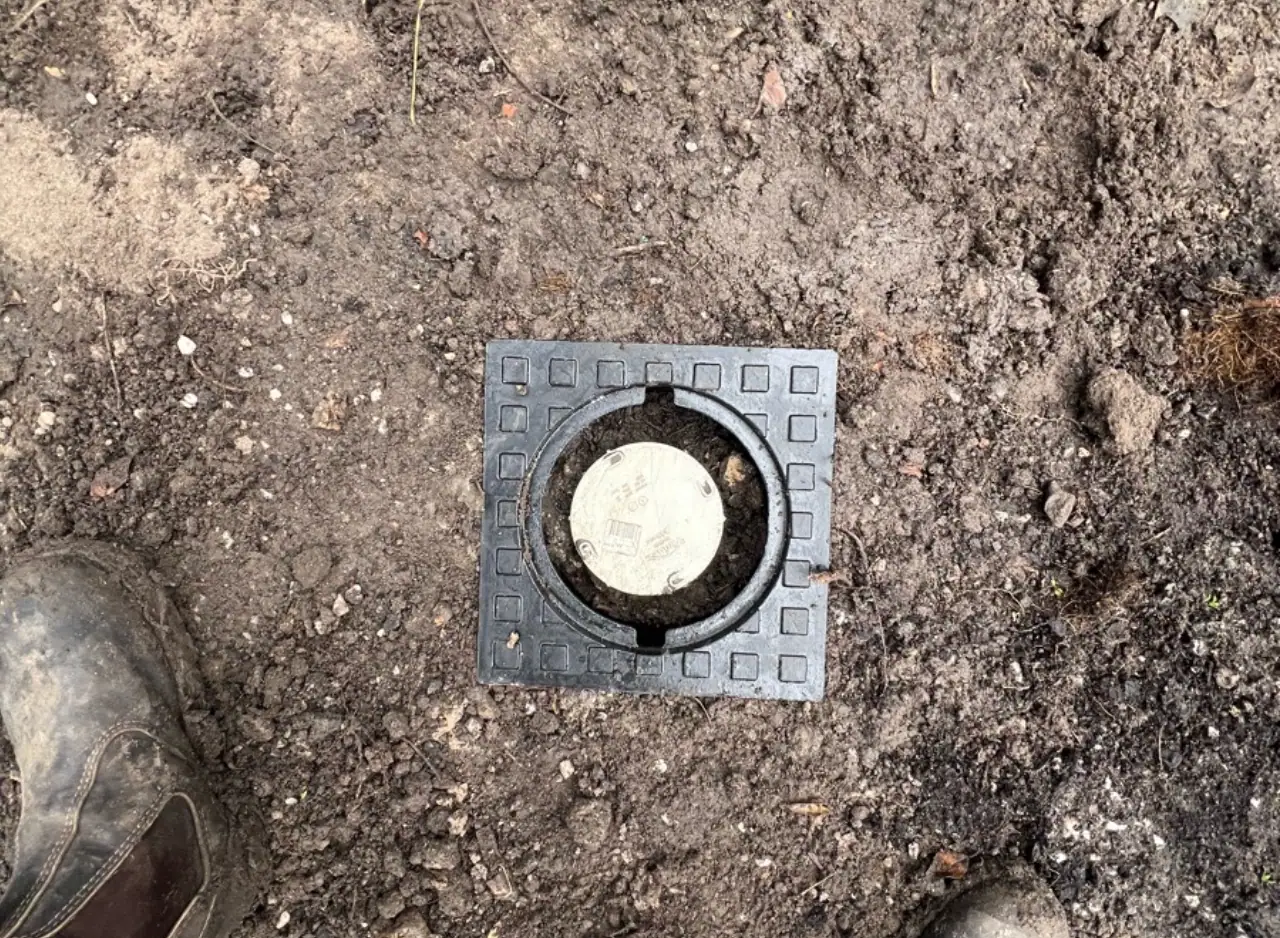
An inspection opening was installed at ground level and fitted with a capped access point to allow future inspection and maintenance without affecting the usable surface area. After installation, the surrounding area was backfilled and levelled before the completed work was tested to confirm that the modified boundary trap and vent arrangement was serviceable. The completed configuration improved backyard usability while preserving ongoing access to the drainage infrastructure.
Tools, Parts & Systems Used
- Square junction
- New vent termination
- Inspection opening
- Cap
- Boundary trap
- Boundary trap vent
- Drainage system
Outcome & Results
The boundary trap modification was completed in accordance with the planned scope of work. The vent was successfully relocated to the fence line, a ground-level inspection opening was installed, and the surrounding area was backfilled and levelled. The installation was tested before completion, and the modified drainage arrangement was left clean and serviceable, with future inspection and maintenance access maintained.
All work was carried out in accordance with relevant Australian Standards and safety requirements.
Repair vs Replacement
Modifying an existing boundary trap arrangement can improve property access while preserving maintenance access to the drainage system. Where the existing vent location interferes with planned landscaping, paving, or vehicle access, relocating the vent and installing a ground-level inspection opening may provide a practical alternative to complete replacement of the drainage infrastructure. The appropriate solution depends on the existing system layout and the need to maintain access for ongoing inspection and servicing after the modification is completed.