
Thermostatic Mixing Valve Replaced in West Melbourne
Completed Job Summary
A hot water fault affecting a residential property in West Melbourne was investigated after the customer reported a whistling noise during showering and inconsistent water temperature. The thermostatic mixing valve was identified as the cause, replaced with a new tempering valve assembly, and the system was recommissioned and tested to confirm normal operation.
29 June 2026
 Will
Will
Plumber
81883
This job record is derived from first-party technician notes and the Simpro job management.
Customer report
The customer requested plumbing attention after noticing a whistling noise when the hot shower had been running for some time. During use, the hot water temperature also dropped before the noise stopped once the shower was turned off. The issue affected the normal operation of the hot water system, prompting an investigation into the hot water supply and associated temperature-control components.
Diagnosis & Technical Assessment
The hot water system was inspected to identify the source of the reported noise and fluctuating water temperature. During the investigation, the squealing sound was traced to the thermostatic mixing valve. The technician also observed that the hot water supply was no longer being regulated correctly, indicating that the valve was no longer operating as intended.
Following identification of the fault, replacement of the thermostatic mixing valve was recommended as the appropriate corrective action. After installation of the replacement valve and associated tempering valve assembly, the water supply was reinstated, and the hot water system was recommissioned.
The system was then operated to assess its performance following the repair. The basin’s hot water initially fluctuated immediately after start-up, then stabilised after running for several minutes. Final operational checks confirmed the squealing noise was no longer present and that the hot water supply had returned to normal operating condition.
All work was completed in accordance with the Victorian Building Authority (VBA) regulatory framework.
Solutions delivered
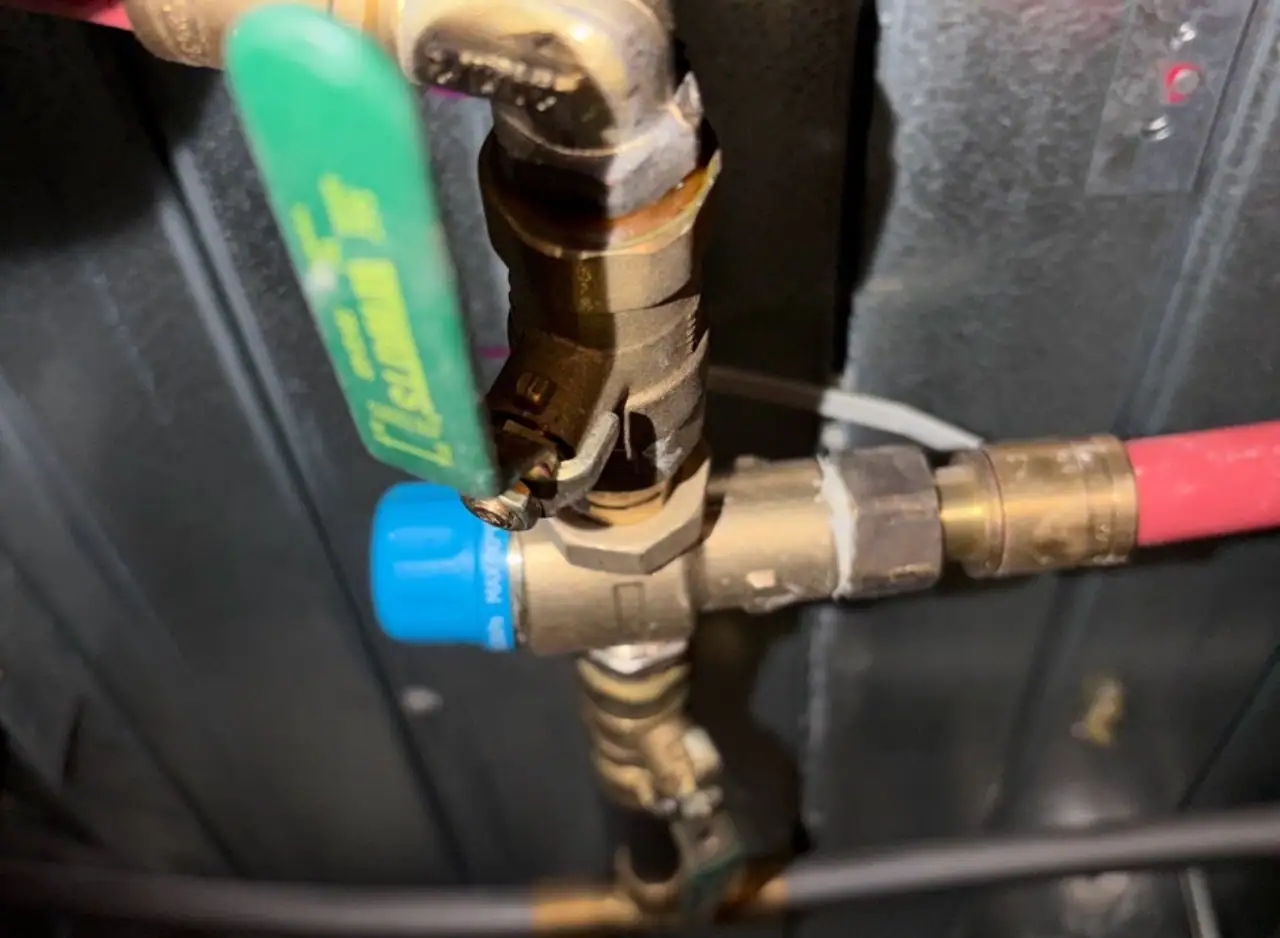
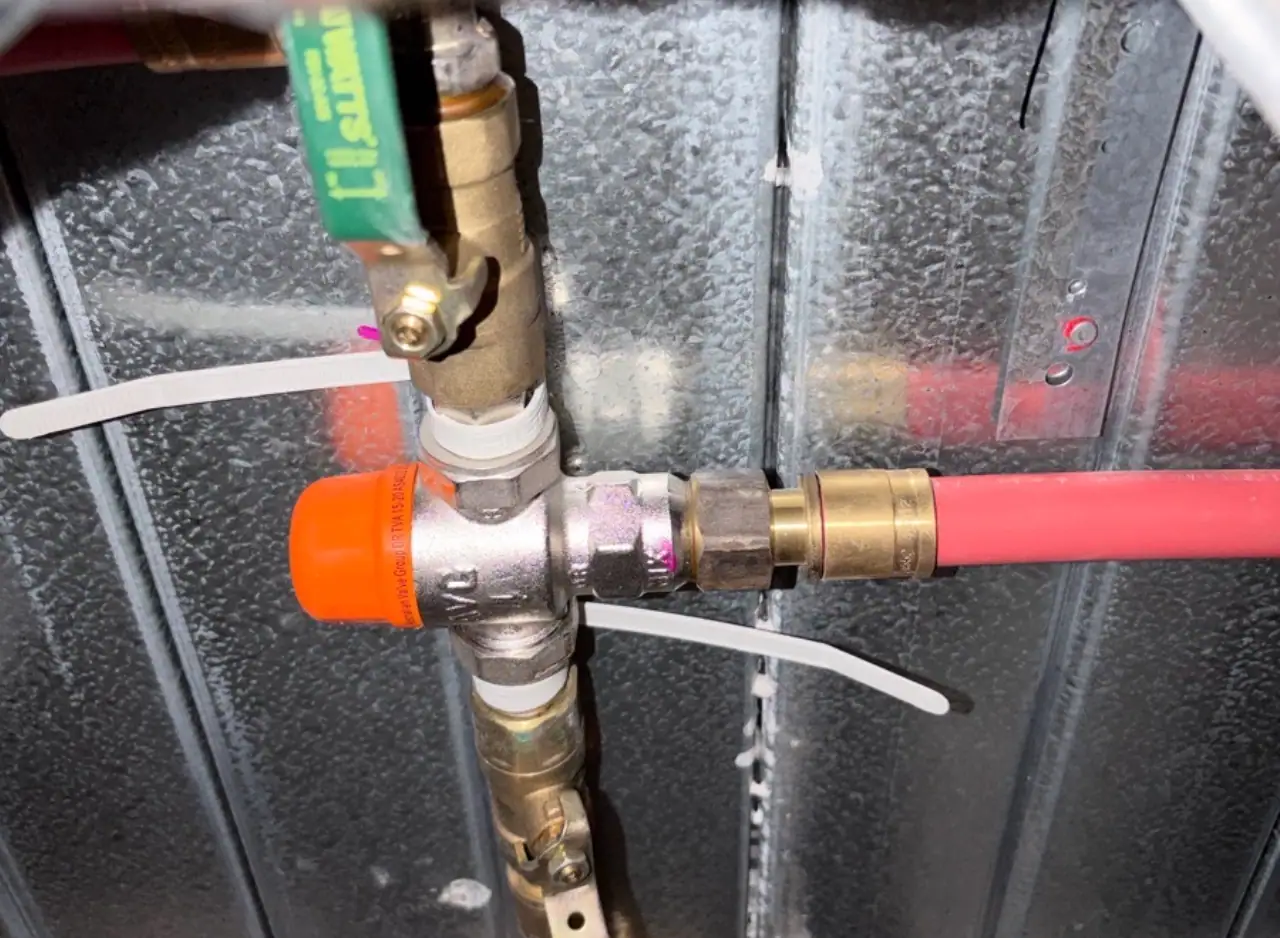
Following diagnosis of the faulty thermostatic mixing valve, the existing component was replaced to restore regulated hot water delivery throughout the system. A new 15mm tempering valve and associated pipework were installed as part of the completed works before the water supply was reinstated and the system was recommissioned.
Once the installation was complete, operational checks were carried out while the system was running. Initial fluctuations in basin hot water settled after several minutes of operation before the system was reassessed. The final inspection confirmed that the squealing noise had been eliminated and that hot water was being delivered correctly. Replacing the faulty valve addressed both the noise and temperature regulation issues identified during the initial investigation.
Tools, Parts & Systems Used
- Thermostatic mixing valve
- 15mm tempering valve
- Pipework
- Hot water supply
- Shower
- Basin hot water
Outcome & Results
The faulty thermostatic mixing valve was successfully replaced, and the hot water system was returned to service. After recommissioning, operational testing confirmed that the squealing noise had been eliminated and that hot water was again being delivered correctly. Although basin water temperature fluctuated briefly during initial start-up, it stabilised after several minutes of operation. The completed work restored normal hot water performance, and the customer confirmed they were pleased to have reliable hot water available again.
All work was carried out in accordance with relevant Australian Standards and safety requirements.
Repair vs Replacement
Temperature fluctuations and unusual noises from a hot water system can indicate that a thermostatic mixing valve is no longer regulating water correctly. Where the fault is isolated to the valve, replacing the affected component may restore normal system operation without replacing the entire hot water service. Determining the appropriate repair depends on confirming the fault source through on-site assessment and operational testing before selecting the most suitable corrective action.