
Drain Blockage Checked and Cleared in Coburg
Completed Job Summary
A blocked drain was cleared during a plumbing service call in Coburg on 8 July 2026. High-pressure water jetting was used to unblock the drain, followed by a drain camera inspection to check the line and confirm that the blockage had been cleared.
8 July 2026
 Jay
Jay
Plumber
81926
This job record is derived from first-party technician notes and the Simpro job management.
Customer report
The plumbing service was booked for a blocked drain at a property in Coburg. The initial job information identified the drainage blockage as the service issue and referenced client-provided images. The completed work focused on restoring the affected drain by clearing the blockage and then inspecting it with camera equipment after the jetting process.
Diagnosis & Technical Assessment
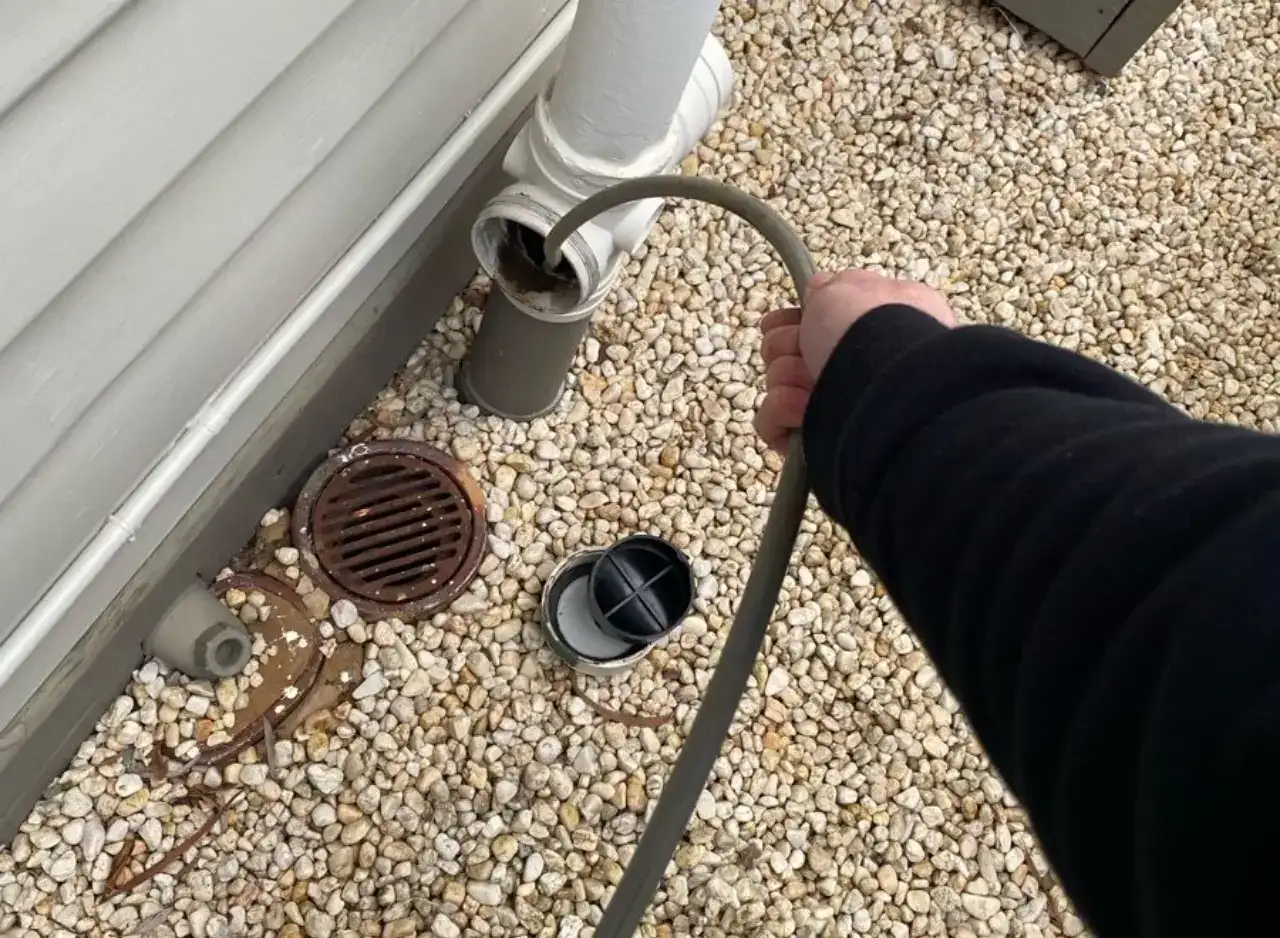
The drainage issue was confirmed as a blockage requiring clearing. High-pressure water jetting was used as the clearing method, with the jetter applied to the drain to remove the obstruction and restore the line.
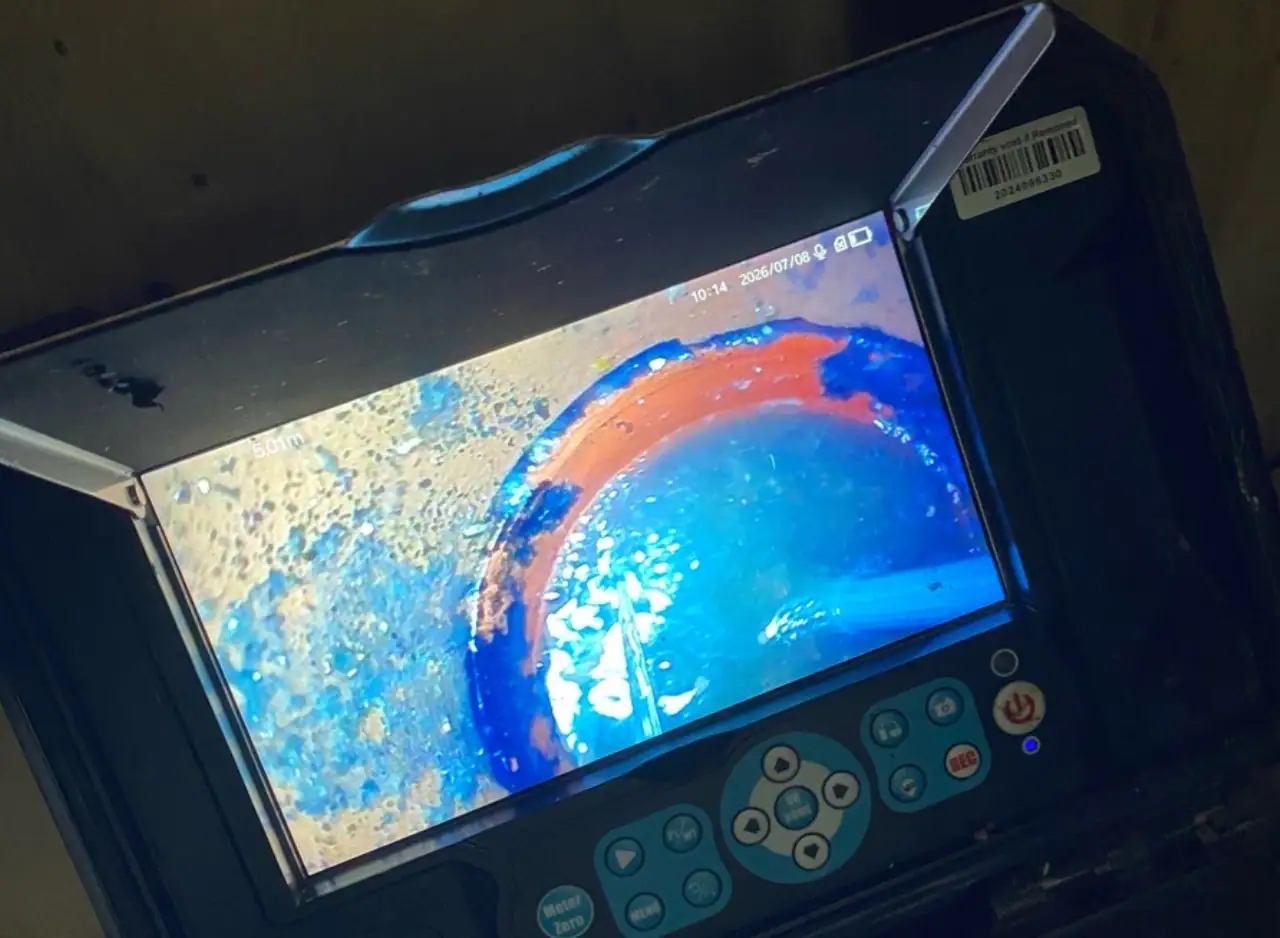
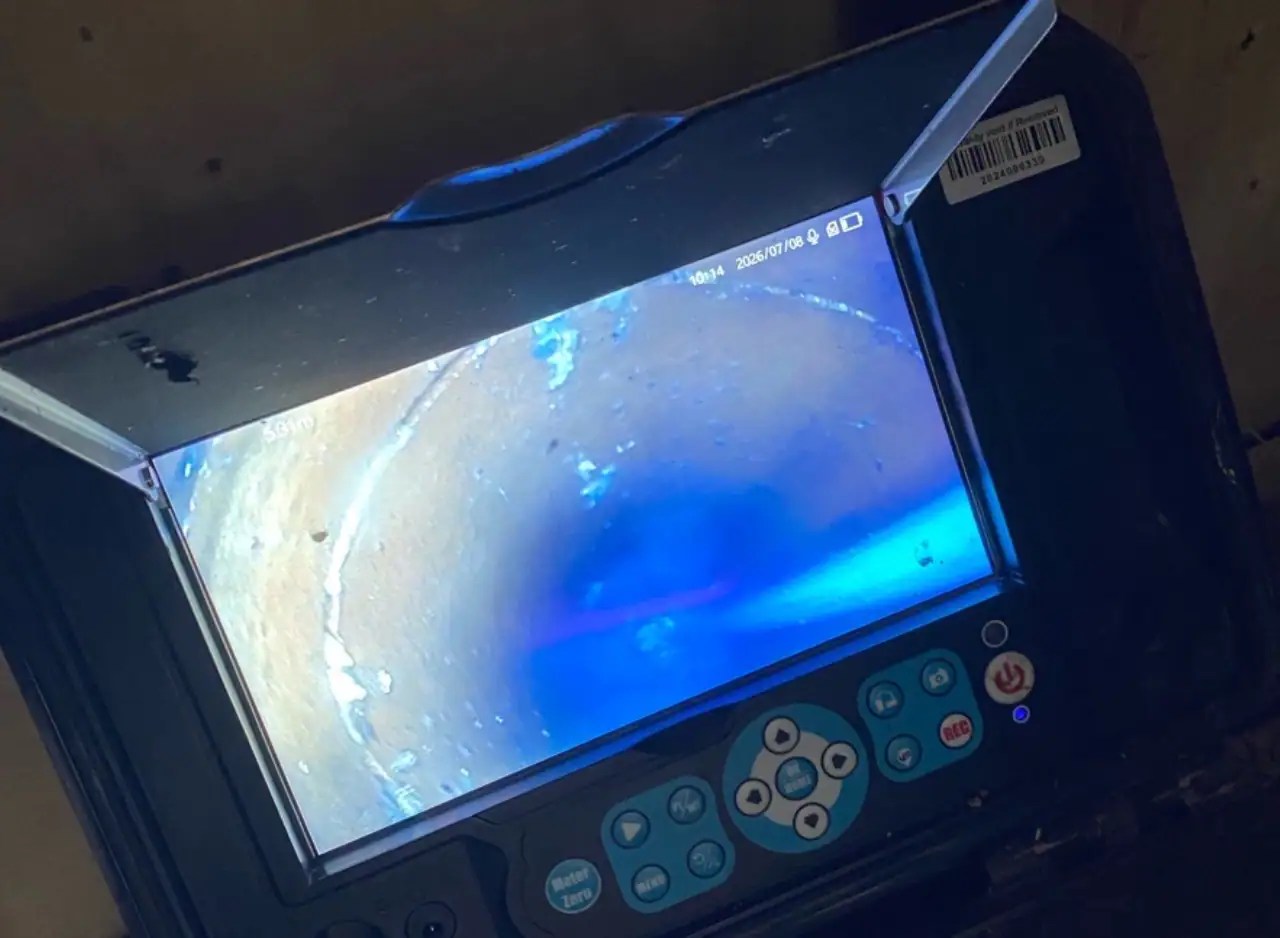
After the jetting work had cleared the blockage, a drain camera was introduced into the line. This inspection served as the verification stage for the completed work. Rather than relying solely on the clearing process, the camera was used after jetting to check the drain and confirm that it was no longer blocked.
The technician’s work-order description records the sequence directly: the drain was unblocked with the jetter, then checked with the camera to confirm it was clear. This established the completed result through a separate inspection step following the clearing work.
The assessment and completion sequence, therefore, consisted of two confirmed stages: high-pressure water jetting to clear the blocked drain, followed by camera inspection to verify the result. The camera check confirmed that the drain had been successfully unblocked.
All work was completed in accordance with the Victorian Building Authority (VBA) regulatory framework.

Solutions delivered
The blocked drain was cleared using a high-pressure water jetter. This method was used to work through the blockage and restore the drain before the result was checked separately.
Once the jetting process was complete, a drain camera/CCTV inspection was carried out. The camera was used after the clearing work to confirm that the drain was unblocked, rather than treating the completion of the jetting process alone as confirmation of the outcome.
This sequence provided both the physical clearing work and a subsequent visual inspection of the drain. The recorded work, therefore, moved from blockage clearing to verification: first using the water jetter to unblock the drain, then using camera equipment to check the line.
No replacement work formed part of the recorded solution. The completed service involved clearing the existing drain and confirming the result through a camera inspection.
Tools, Parts & Systems Used
- High-pressure water jetter
- Drain camera/CCTV inspection equipment
- Drainage system
Outcome & Results
The drain was successfully unblocked using high-pressure water jetting. Following the clearing work, a camera inspection was performed to check the drain and confirm that the work was complete. The technician specifically recorded the camera feed after jetting to ensure the drain was unblocked. The completed service therefore restored the blocked drain and included a separate verification step after clearing.
All work was carried out in accordance with relevant Australian Standards and safety requirements.
Repair vs Replacement
A blocked drain can be addressed by clearing the existing drainage line, where the completed work establishes that the obstruction can be removed without replacing pipework. In this Coburg job, high-pressure water jetting cleared the blockage and camera inspection was then used to confirm the drain was unblocked. As clearing restored the drain and the completed camera check confirmed the result, the recorded solution was to retain the existing drainage system rather than replace components or sections of pipework.