
Drainage Faults Identified in Cast Iron Drain in Ivanhoe
Completed Job Summary
Recurring toilet and basin drainage issues were investigated during a plumbing service in Ivanhoe. Drain jetting and CCTV inspection identified significant rust, baby wipes, and tree roots approximately 7 metres along the cast-iron drain, with pipe displacement also noted.
24 July 2026
 Reece
Reece
Plumber
82035
This job record is derived from first-party technician notes and the Simpro job management.
Customer report
The customer reported an intermittent drainage issue affecting the toilet and basin. The toilet would occasionally fail to flush, with the basin filling instead of draining normally. At times, toilet paper had to be pushed down before the toilet would flush. Another plumber had used a plunger in May, which temporarily stopped the issue, but the same symptoms returned a couple of weeks before this service.
Diagnosis & Technical Assessment
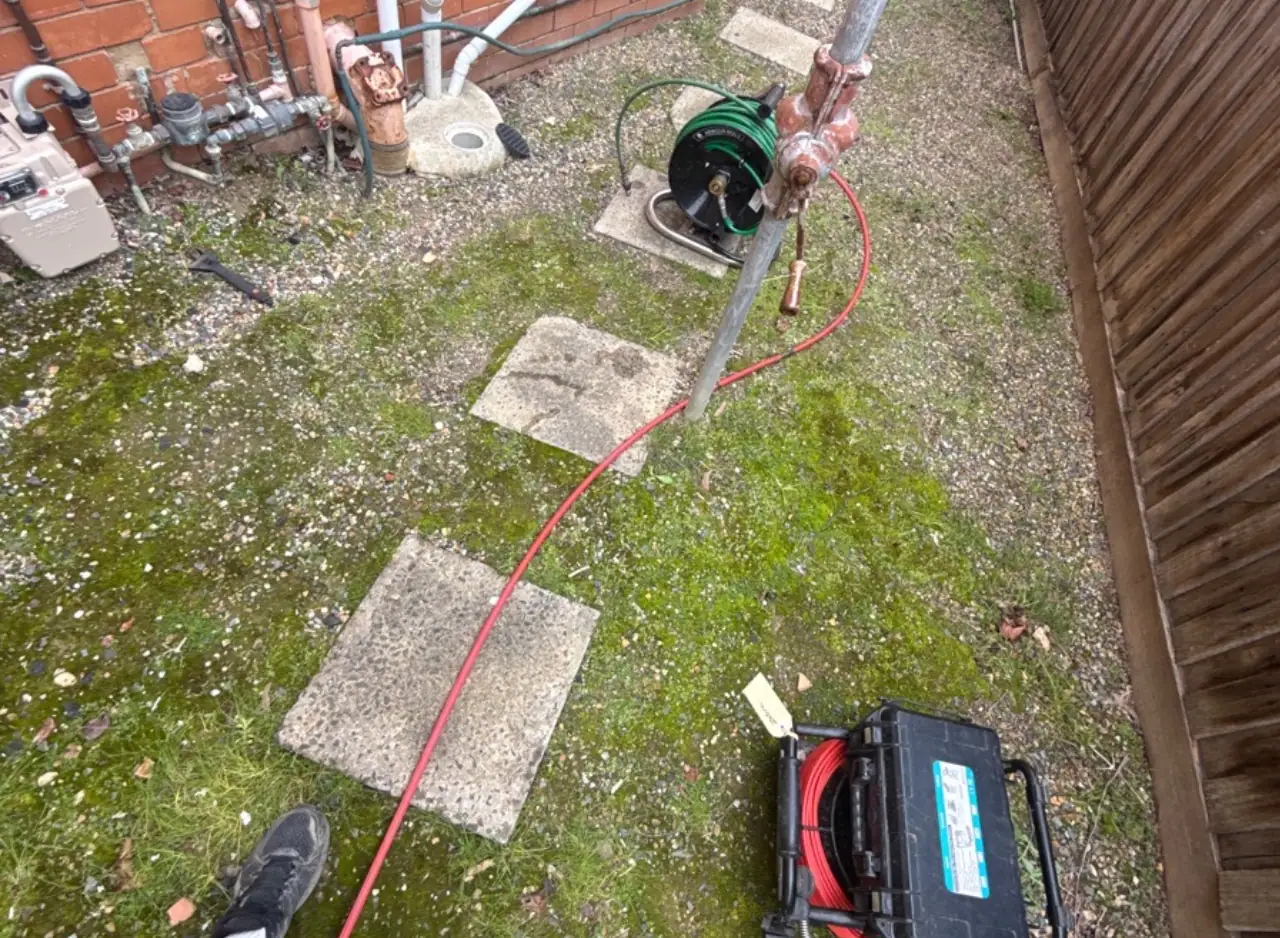
The recurring drainage issue was investigated using high-pressure drain jetting and CCTV camera inspection. Access was obtained through the toilet inspection opening, which was opened to inspect the drain line.
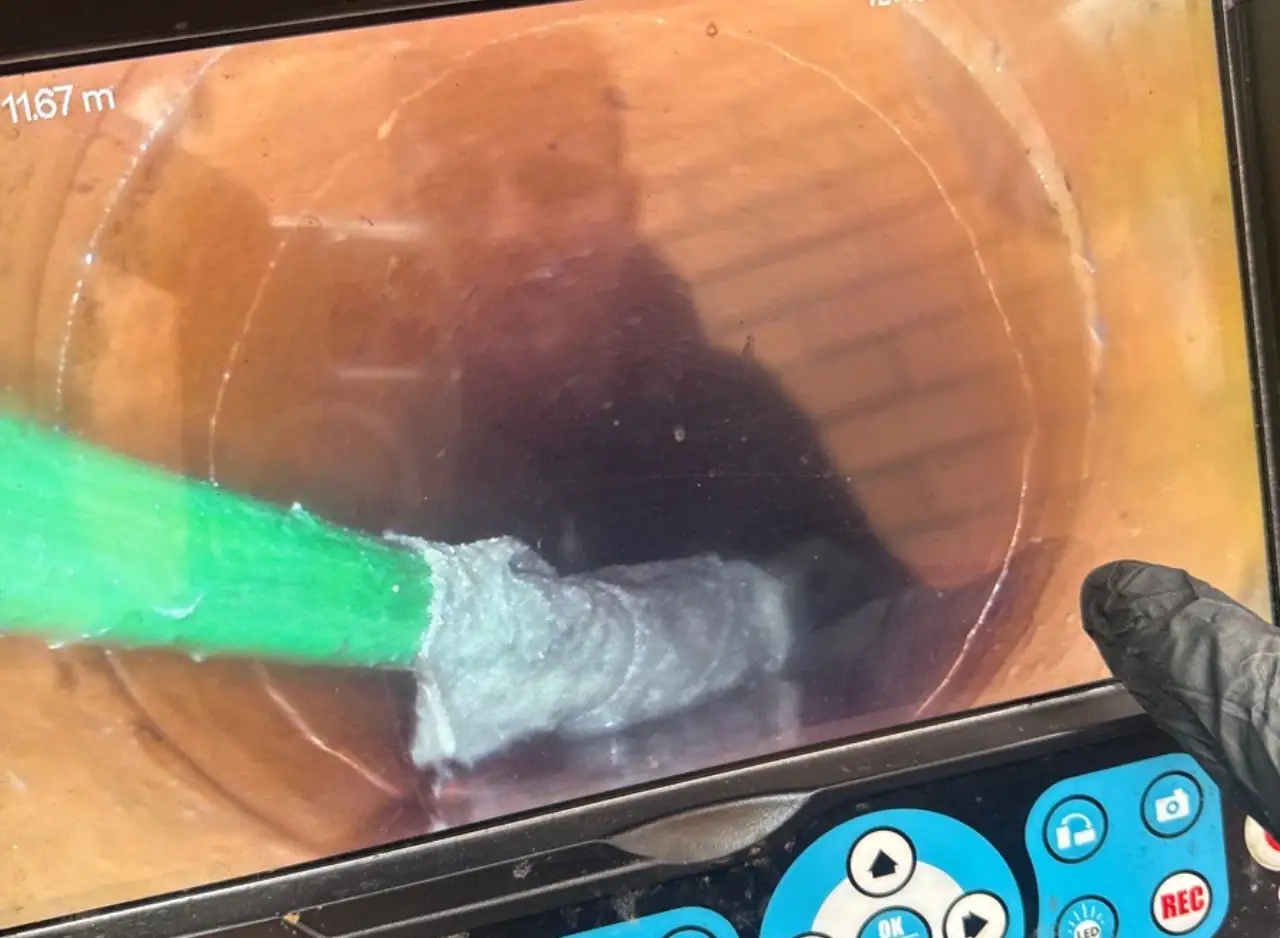
Camera inspection identified significant rust, baby wipes, and tree roots approximately 7 metres down the cast-iron drain. The condition of the pipe showed that the cast iron was rusting out. Tree roots and pipe displacement or dislodgement were also identified in the recorded findings.
The technician attempted to advance the camera towards the junction from the accessed direction, but could not pass through that section. This limited inspection of the line beyond the junction from the existing access point.
The combination of rust, wipes, root intrusion, and pipe displacement resulted in multiple physical findings within the drainage system rather than a single, isolated cause. The customer was informed about the condition of the cast iron pipe and the findings identified during the CCTV inspection.
All work was completed in accordance with the Victorian Building Authority (VBA) regulatory framework.
Solutions delivered
The toilet inspection opening was accessed and pulled apart to provide entry to the drainage line. High-pressure drain jetting was then carried out, followed by CCTV camera inspection to assess conditions inside the cast-iron drain.
The camera inspection was extended approximately 7 metres along the drain, where rust, baby wipes and tree roots were identified. The technician also attempted to inspect towards the junction, but could not advance the camera through that section from the available direction.
Further investigation, including removing the toilet and accessing the drainage line from another direction, was discussed with the customer. The customer chose not to proceed with this additional investigation during the attendance.
Following the inspection, the technician explained the findings on the cast iron pipe condition, tree root intrusion, and pipe displacement. The customer was advised to contact the body corporate regarding the identified drainage conditions. The job site was cleaned after the inspection work was completed.
Tools, Parts & Systems Used
- High-pressure drain jetting equipment
- CCTV/drain camera
- Cast iron drainage system
- Toilet inspection opening
Outcome & Results
Drain jetting and CCTV inspection were completed, thereby establishing the internal condition of the cast-iron drainage line. Significant rust, baby wipes and tree roots were identified approximately 7 metres along the drain, together with pipe displacement or dislodgement.
The customer was advised about the pipe condition and instructed to avoid baby wipes and heavy use of wipes or toilet paper. Contact with the body corporate was recommended regarding the identified pipe and root conditions.
All work was carried out in accordance with relevant Australian Standards and safety requirements.
Repair vs Replacement
This job identified several conditions within an existing cast-iron drain, including significant rust, tree roots, wipes, and pipe displacement. Drain jetting can address material within a drainage line, while CCTV inspection provides evidence of the pipe’s internal condition.
Where inspection identifies deterioration, root intrusion or displacement within the pipe itself, further investigation can be required to establish the extent of the affected section before determining subsequent work. In this case, additional camera investigation from another access direction was discussed after the existing inspection route could not pass the junction.