
Damaged Drainage Component Replaced in Malvern
Completed Job Summary
A broken gully and existing cast-iron drainage were addressed during plumbing work at a Malvern property. Following drain jetting and excavation, the old cast iron drainage component was removed and replaced, the 50 mm sink connection was reinstated, the area was backfilled, and a new PLV was installed at the water meter.
13 July 2026
 Jay
Jay
Plumber
81961
This job record is derived from first-party technician notes and the Simpro job management.
Customer report
The Malvern job was booked for a blocked drain, a water leak, and a pressure check. The drainage issue involved a broken gully, while a separate burst water pipe was also present somewhere on the property. The quoted work included drain jetting and camera inspection, leak detection and copper pipe repair, and replacement of the existing PLV at the water meter.
Diagnosis & Technical Assessment
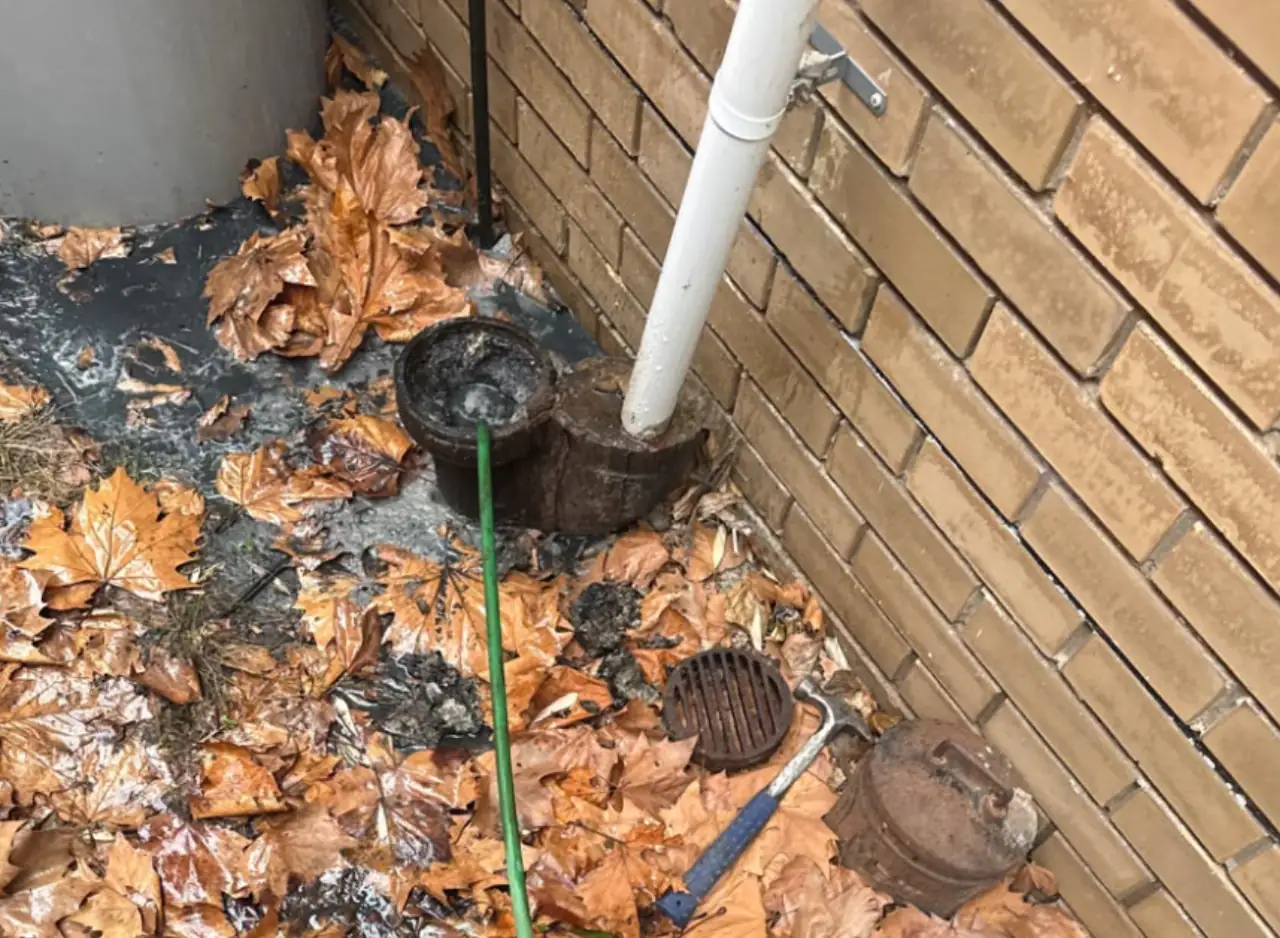
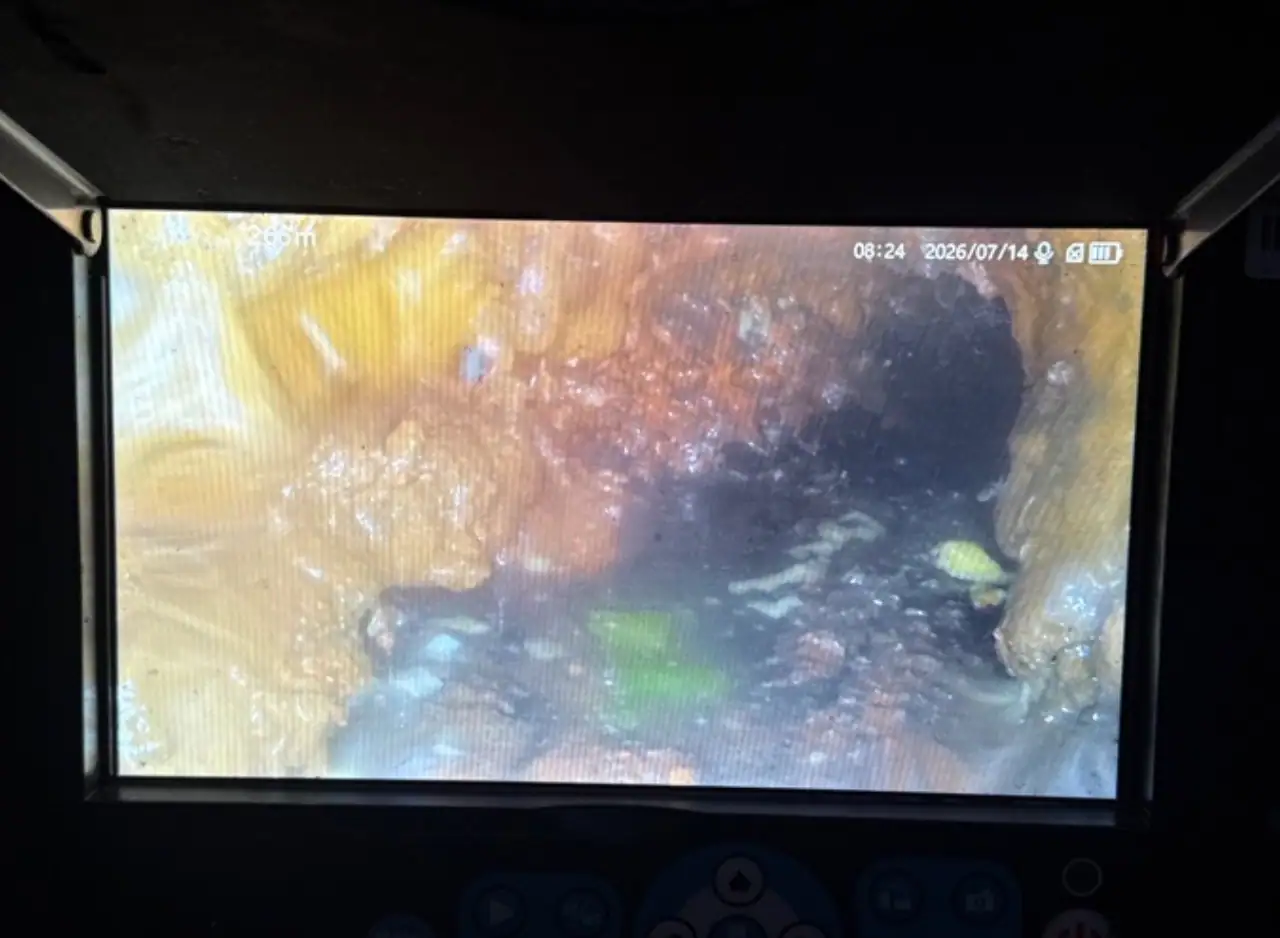
Drain jetting was carried out from the gully as part of the drainage assessment. The gully was recorded as broken, with black dirt coming up through the area during the investigation. Existing cast-iron drainage was present at the excavation point.
The drainage condition led the work from jetting and inspection into an excavation scope. The recorded excavation depth was approximately 900 mm. This provided access to the old cast-iron drainage component that required removal and replacement.
The technician excavated the affected area, exposed the existing cast-iron component, and cut it out. The drainage system also included a 50 mm sink connection that needed to be incorporated into the replacement work.
A separate water-service issue was present at the property. The customer was already aware of a burst water pipe somewhere on the site, with leak detection and copper-pipe repair forming a separate planned scope of work.
The existing PLV at the water meter was described as very old and in need of replacement. A new PLV was installed during the same attendance. The drainage replacement and PLV work were completed, while the separate burst water pipe issue remained isolated from this completed scope.
All work was completed in accordance with the Victorian Building Authority (VBA) regulatory framework.
Solutions delivered
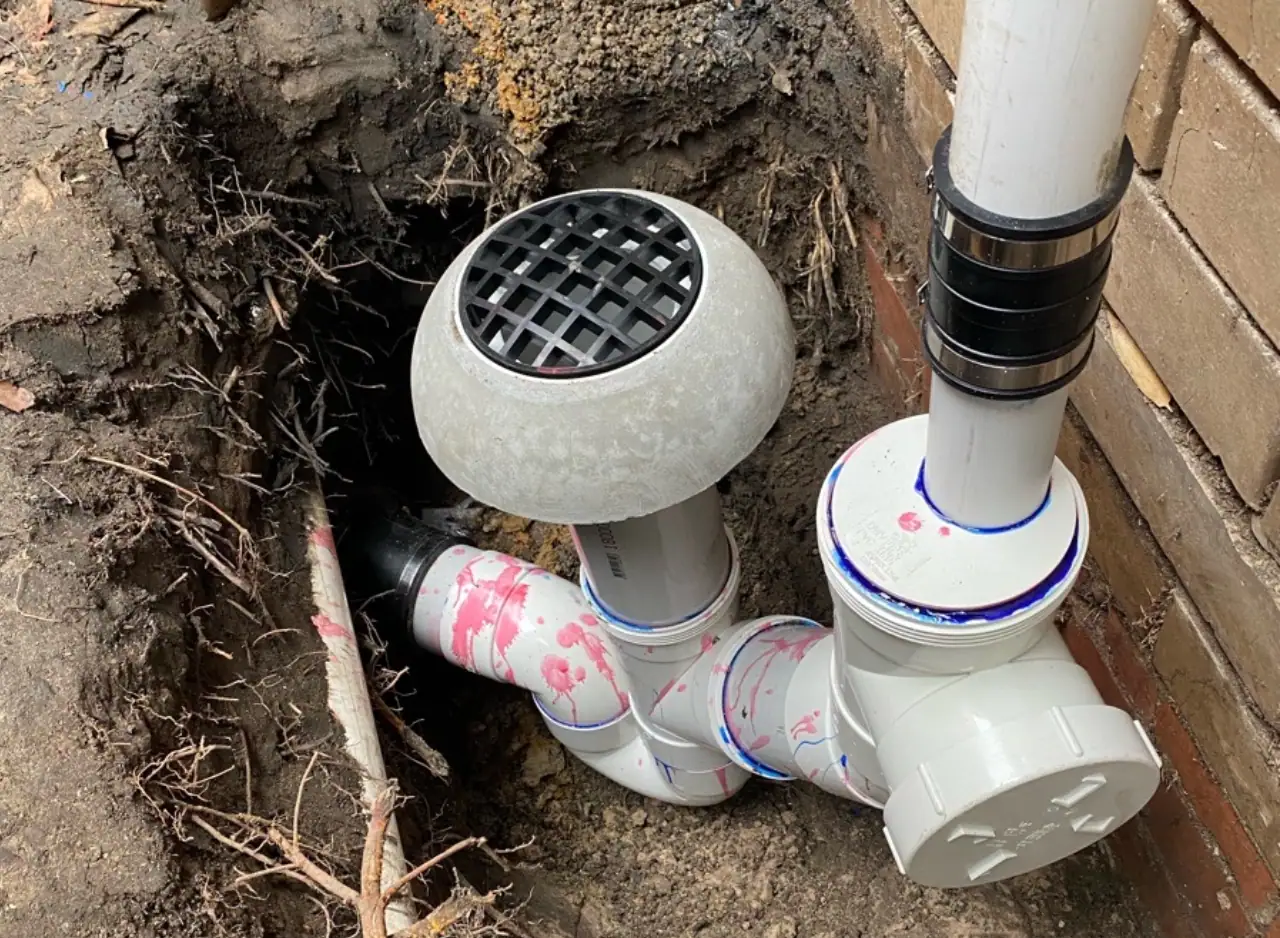
The affected drainage area was excavated to expose the existing cast iron component. The old cast-iron section was cut out, and a replacement drainage component was installed. The 50 mm sink line was then reconnected to the drainage arrangement before the excavated area was backfilled.
Drain jetting had also been carried out from the broken gully as part of the work leading into the excavation and replacement.
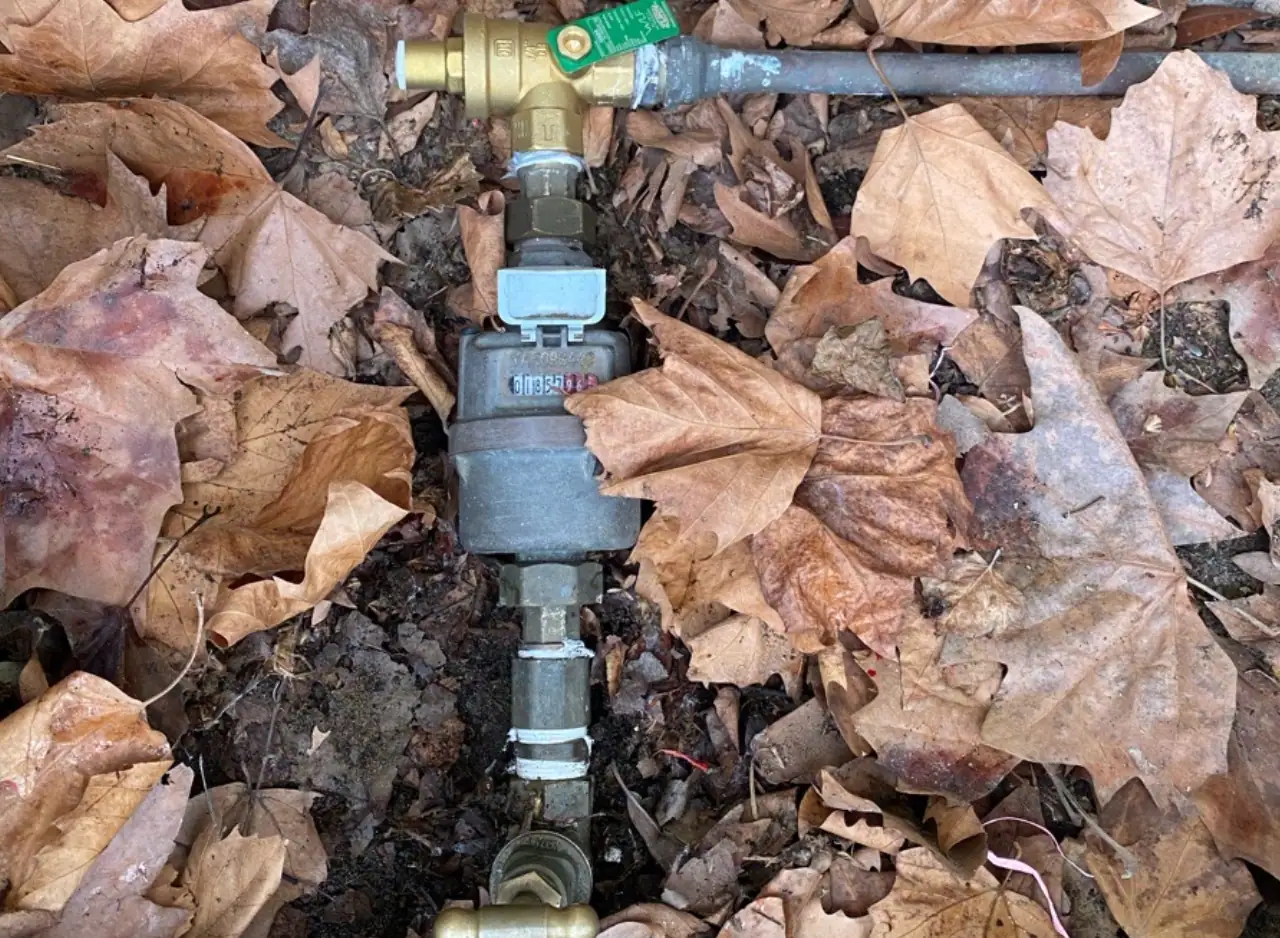
At the water meter, the existing PLV was replaced with a new unit because the original valve had been identified as old and in need of replacement.
The separate burst water pipe was not included as a completed repair in this attendance. The technician turned off the water supply because the burst pipe remained elsewhere on the property. This kept the completed drainage and PLV work distinct from the separate water-leak scope that required further leak detection and repair.
Tools, Parts & Systems Used
- Drain jetting
- Excavation and backfilling
- 50 mm sink waste
- Drainage fittings
- New PLV
Outcome & Results
The old cast-iron drainage component was removed and replaced, the 50 mm sink connection was reinstated, and the excavation was backfilled. A new PLV was also installed at the water meter. The water supply remained off after these works because a separate burst water pipe was still present elsewhere on the property and required its own leak-detection and repair scope.
All work was carried out in accordance with relevant Australian Standards and safety requirements.
Repair vs Replacement
Drainage faults can sometimes be managed through clearing, where the pipework itself remains suitable for service. Where an investigation identifies a physically damaged component, excavation and replacement may be required rather than relying on jetting alone.
In this Malvern job, drain jetting was followed by excavation after the gully was found to be broken and the existing cast-iron drainage required access. The affected cast iron component was removed and replaced, while the connected 50 mm sink waste was retained and reconnected. The PLV was also replaced as a separate component-level water-service improvement during the attendance.