
Running Toilet Components Serviced in Abbotsford
Completed Job Summary
A running toilet was attended at an Abbotsford property, where the cistern components were assessed, and the existing outlet valve was identified as a discontinued part. The side-entry inlet valve and customer-supplied outlet valve key rings were replaced, while the original outlet valve remained installed.
28 July 2026
 Reece
Reece
Plumber
82048
This job record is derived from first-party technician notes and the Simpro job management.
Customer report
The job was booked for a running toilet at an Abbotsford property. The converted service record also described the issue as a leaking toilet and identified the cistern as requiring servicing. A pressure check formed part of the original booking scope. The attendance focused on the toilet cistern and its inlet and outlet valve components, with the existing outlet valve becoming an important part of the assessment because a direct replacement was no longer available.
Diagnosis & Technical Assessment
Assessment of the cistern identified an existing outlet valve that had been discontinued. The technician recorded that an appropriate replacement outlet valve could not be matched to the toilet. The existing toilet equipment was also described as approximately 12 years old.
The original outlet valve, therefore, remained part of the installation rather than being replaced with a direct equivalent. The customer was advised that, because of the valve’s age and condition, it could remain prone to leaking.
The service proceeded with component work that could be completed using available parts. The technician quoted the replacement of the inlet valves and recorded the replacement of the inlet valve components during the attendance. The accompanying service disclaimer specifically confirms replacement of a side-entry inlet valve.
Customer-supplied key rings associated with the outlet valve were also replaced. This allowed work to be carried out on the existing cistern while retaining the discontinued outlet-valve assembly.
Because a compatible replacement outlet valve was unavailable, replacement of the complete toilet suite was discussed as an alternative if the retained outlet valve arrangement continued to cause problems. The customer elected not to proceed with a complete toilet replacement during this visit.
All work was completed in accordance with the Victorian Building Authority (VBA) regulatory framework.
Solutions delivered
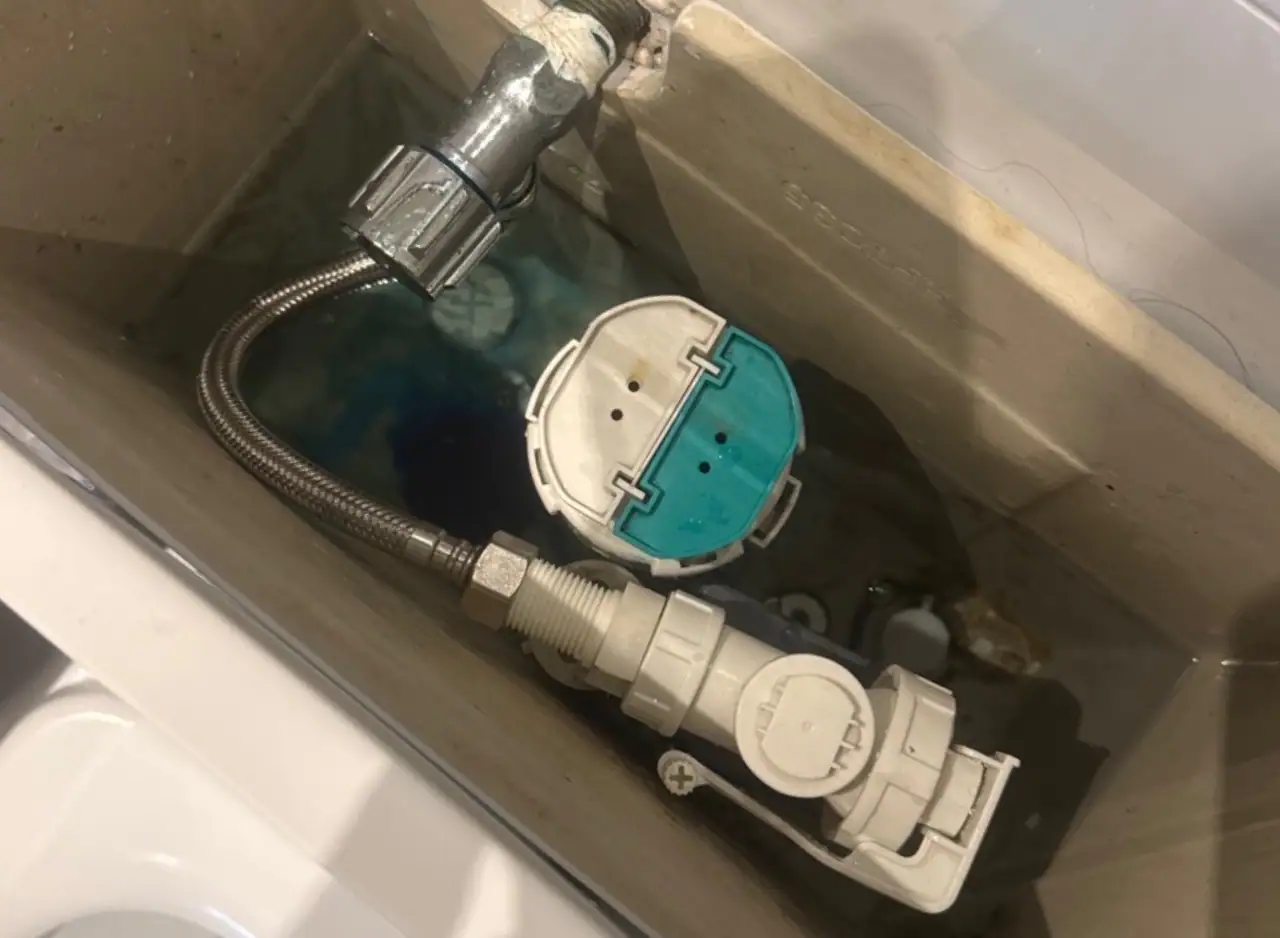
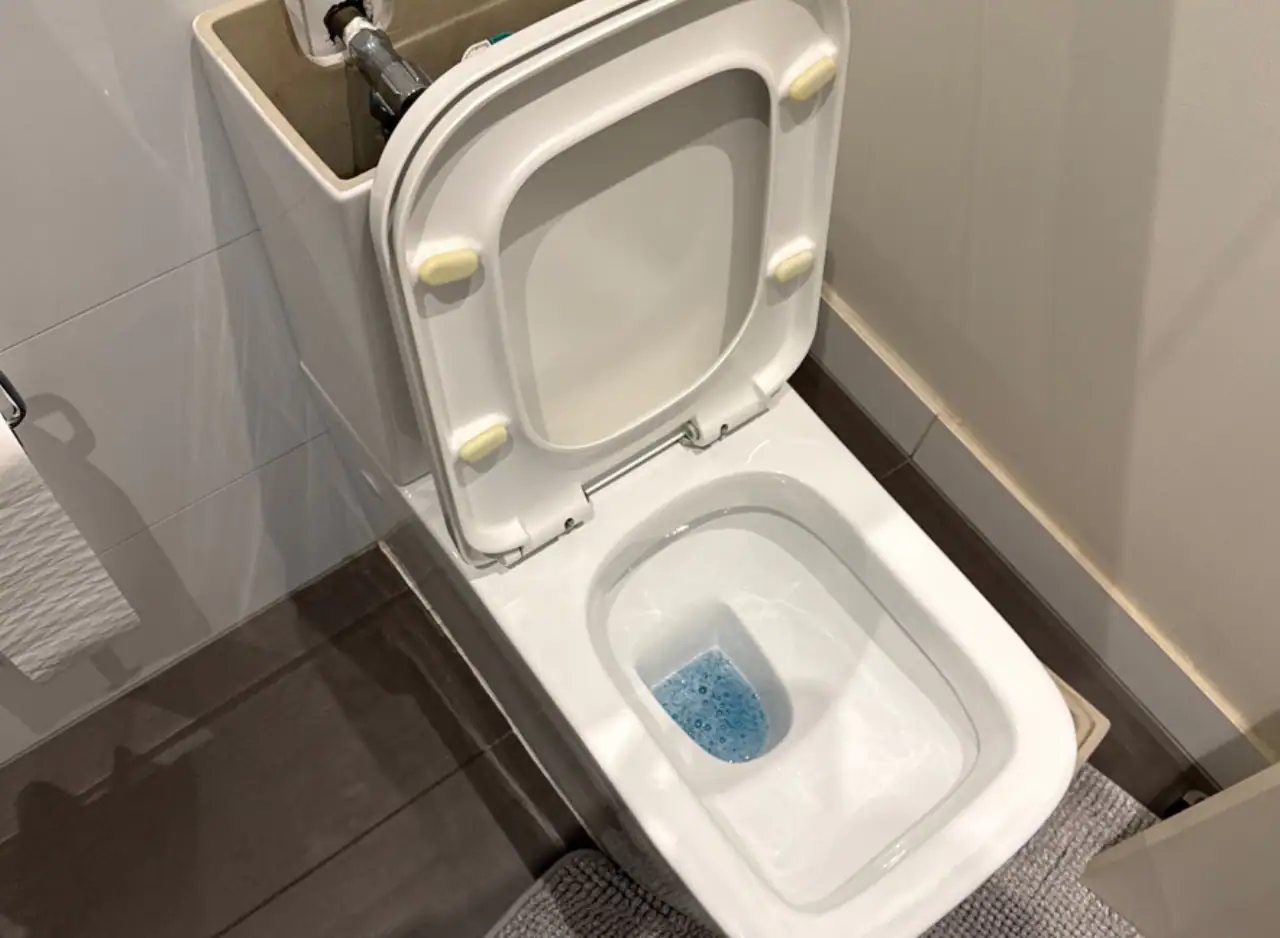
The completed work focused on servicing the existing toilet cistern while retaining the original outlet valve. The side-entry inlet valve was replaced, addressing the inlet valve component within the cistern. Customer-supplied key rings for the outlet valve were also replaced during the same attendance.
The outlet valve itself was not replaced because the existing model had been discontinued, and no direct replacement could be matched to the toilet. Rather than replacing the incompatible component, the original outlet valve was left in place.
The technician discussed replacing the complete toilet suite as the alternative, as the discontinued outlet valve could no longer be maintained. That replacement option was not undertaken during this job.
The completed scope, therefore, consisted of the confirmed inlet-valve replacement and customer-supplied outlet-valve component work, while preserving the existing toilet suite and its original outlet valve.
Tools, Parts & Systems Used
- Side-entry inlet valve
- Outlet-valve key rings
- Toilet cistern
- Original outlet valve
Outcome & Results
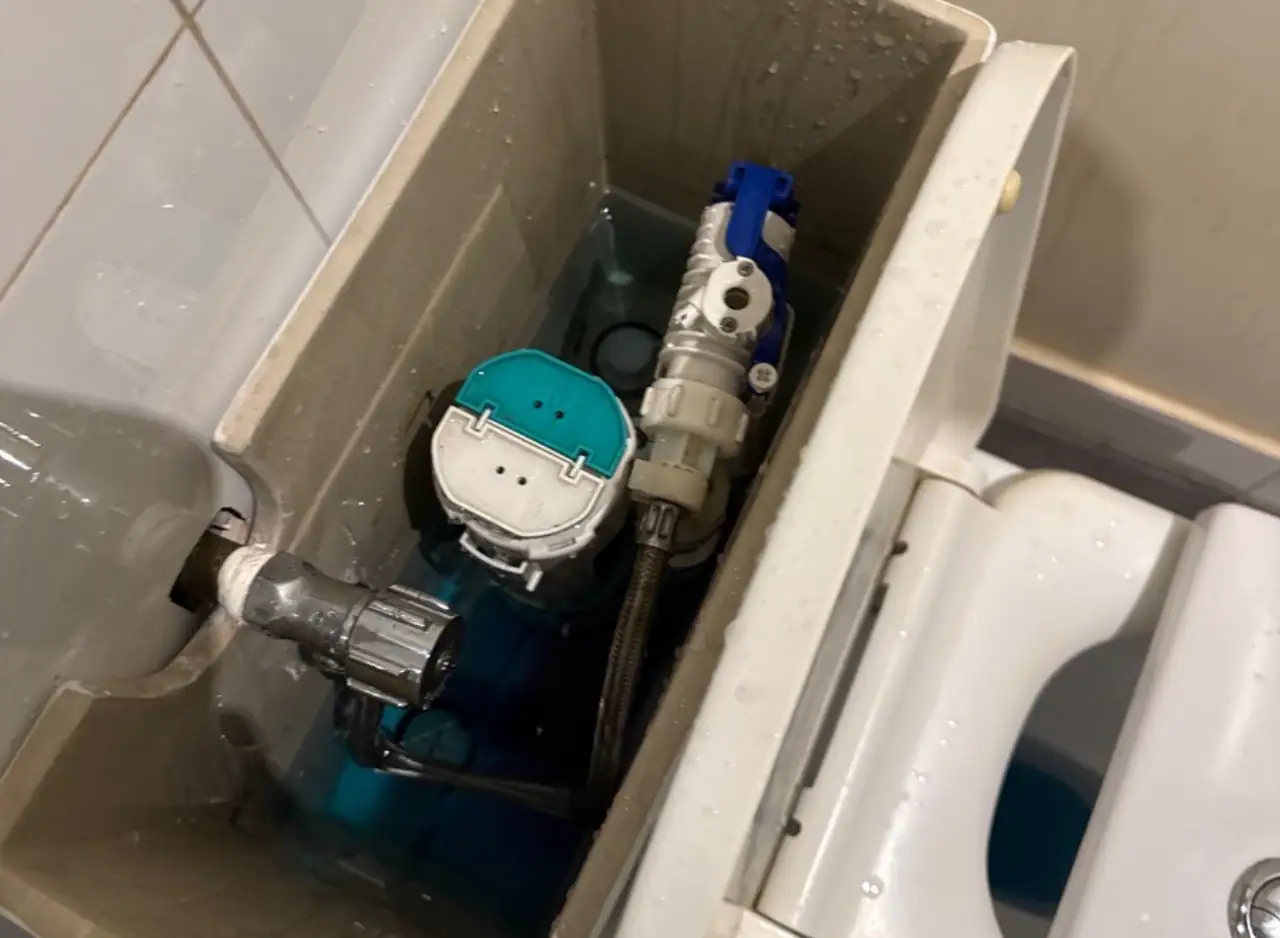
The side-entry inlet valve and customer-supplied outlet valve key rings were replaced during the Abbotsford attendance. The existing outlet valve remained installed because a compatible replacement was no longer available. The customer was advised that this original component could remain prone to leaking due to its age and condition. A complete toilet suite replacement was discussed as a future option, but was not undertaken as part of the completed work.
All work was carried out in accordance with relevant Australian Standards and safety requirements.
Repair vs Replacement
Toilet cistern problems can sometimes be addressed by replacing individual serviceable components while retaining the existing toilet suite. This approach depends on compatible replacement parts being available for the installed cistern and valve system.
In this Abbotsford job, the inlet valve component could be replaced, and customer-supplied outlet valve parts could be fitted. The original outlet valve had been discontinued, and no compatible direct replacement could be found. The existing valve was therefore retained, while complete toilet-suite replacement was discussed as the alternative if the ageing outlet-valve assembly required full replacement in the future.